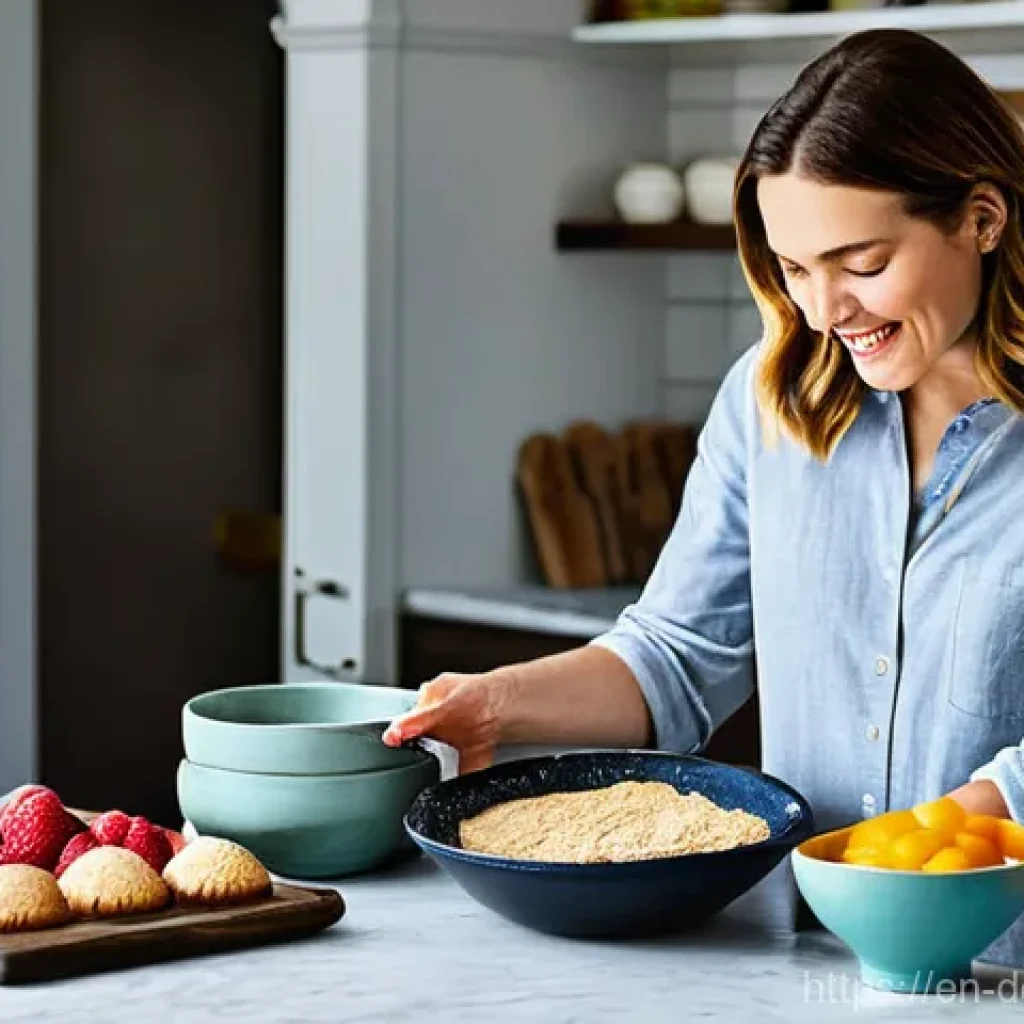
Oh, the sweet scent of baking! There’s nothing quite like it to make a house feel like home, is there? I’ve been on a real baking kick lately, diving into everything from classic comfort recipes that remind me of grandma’s kitchen to trying out those gorgeous, globally-inspired treats that are popping up everywhere on social media.
Whether you’re a seasoned pro with a rolling pin or just getting your feet wet in the wonderful world of flour and sugar, there’s such a unique joy in creating something truly delicious from scratch.
I’ve found that in these busy times, a little baking therapy is exactly what we all need, a simple pleasure that lets us get creative and enjoy a truly scrumptious reward.
It’s also fascinating to see how trends like floral flavors or using alternative sugars are adding exciting new dimensions to our favorite desserts, pushing us to experiment even more.
Get ready to whip up some magic with me, because trust me, these recipes are going to be your new favorites. Let’s dive into all the delightful details below!
Beyond the Basics: Elevating Your Everyday Bakes
You know, there’s a real satisfaction that comes from mastering a classic, isn’t there? But for me, the true magic begins when we start pushing those boundaries just a little. I’ve spent countless hours in my kitchen, experimenting with how to take a simple chocolate chip cookie or a humble vanilla cake from “good” to “oh-my-goodness, I need that recipe!” It’s often in the smallest tweaks – a pinch of sea salt, a splash of espresso, or even a different type of flour – that entirely new dimensions of flavor and texture emerge. My friends always ask, “How do you make your brownies so fudgy?” and honestly, it’s not some secret ingredient you can’t find; it’s usually about the quality of the chocolate and perhaps a slightly underbaked center. That perfect balance of gooey and firm is something you learn by feel, by getting your hands a little messy and paying attention to your oven. I’ve found that even just chilling your cookie dough for 24 hours can completely transform the depth of flavor, giving you that richer, chewier texture everyone craves. It’s about developing an intuition, a baker’s sense for what a recipe *needs* to sing.
The Power of Quality Ingredients
Listen, I can’t stress this enough: your ingredients are the foundation of everything. I used to think flour was just flour, and sugar was just sugar, but oh, how wrong I was! Once I started investing in high-quality butter, free-range eggs, and premium chocolate, my baking truly soared. I remember making a batch of shortbread cookies with some fancy European-style butter, and the difference was genuinely astounding – the richness, the flakiness, the way it just melted in your mouth. It wasn’t just my imagination; my family noticed too! It’s like using fresh, vibrant produce in cooking; you can tell the difference instantly. And don’t even get me started on vanilla extract. Skip the imitation stuff; a good quality pure vanilla extract is like adding a little bit of liquid gold to your bakes, especially in something simple where its flavor really shines through. It’s an investment, sure, but one that pays off in delicious dividends, making your efforts truly worthwhile. It’s all about respecting the ingredients and letting them do their job beautifully.
Unlocking Flavor with Unexpected Additions
This is where the fun really begins for me – adding those little twists that make people say, “What IS that amazing flavor?” I’ve been obsessed lately with incorporating unexpected elements like a touch of cardamom in my apple pies or a hint of black pepper in a strawberry shortcake. Sounds wild, right? But trust me, it works! The subtle warmth of spices can elevate fruity desserts, adding a layer of complexity that’s just captivating. Another game-changer for me has been citrus zest. Not just in lemon cakes, but a little orange zest in chocolate brownies or lime zest in a blueberry muffin can brighten the whole flavor profile. I also love playing with different salts; flaky sea salt sprinkled over caramel or chocolate desserts not only looks gorgeous but also provides a delightful contrast that enhances the sweetness. It’s about being brave and experimenting, seeing what combinations spark joy on your palate. Sometimes the most unconventional pairings lead to the most memorable treats, creating a signature taste that becomes uniquely yours.
The Secret Sauce: Ingredients That Make All the Difference
When I talk about baking, I often find myself circling back to the ingredients. It’s not just about having them; it’s about *understanding* them, you know? Like, what’s the real difference between bread flour and cake flour, and how does that affect your final product? I remember once trying to make a super light chiffon cake with all-purpose flour, and while it was okay, it just didn’t have that airy, cloud-like texture I was aiming for. The moment I switched to cake flour, which has a lower protein content, it was like night and day! The cake was incredibly tender and delicate. It’s these subtle nuances that truly separate a good baker from a great one. I’ve also become quite the snob about my cocoa powder. Dutch-processed versus natural cocoa powder makes a huge difference in both color and flavor, especially when it interacts with leavening agents like baking soda. Understanding these little chemical dances in your bowl is truly the secret sauce behind consistently amazing results. It’s about respecting the science, but also trusting your gut and your taste buds to guide you.
Decoding Different Flours
Flour, glorious flour! It’s the backbone of so many of our favorite bakes, but boy, can it be confusing. I used to just grab whatever was on sale, but I quickly learned that not all flours are created equal. All-purpose flour is your reliable workhorse, great for most everyday recipes. But if you’re chasing that delicate, melt-in-your-mouth texture for a scone or a cupcake, then a low-protein cake flour is your best friend. It creates less gluten, resulting in a tender crumb. On the flip side, if you’re aiming for chewy bread or a robust pizza crust, high-protein bread flour is where it’s at; it develops that strong gluten structure you need. I’ve even ventured into whole wheat and alternative flours like almond or oat flour, which bring their own unique flavors and textures to the party. It really boils down to knowing what kind of texture you’re going for and picking the right flour for the job. It’s a journey of discovery, and I’m still learning new things about this humble ingredient all the time!
Sweeteners Beyond Granulated Sugar
While good old granulated sugar is a staple, I’ve been increasingly exploring other sweeteners to add depth and complexity to my bakes. Brown sugar, with its molasses content, adds a wonderful chewiness and a rich, caramelly note to cookies and cakes. I actually prefer it in my apple crumble topping for that very reason! Then there’s honey and maple syrup, which bring their own distinct aromatic profiles and moisture. I’ve successfully swapped some granulated sugar for maple syrup in muffin recipes, and the result was incredibly fragrant and moist. Even things like muscovado sugar, with its deep, treacly flavor, can transform a simple brownie into something truly extraordinary. Of course, you have to adjust liquid amounts when using liquid sweeteners, but that’s part of the fun of experimenting! It opens up a whole new world of flavor possibilities, moving beyond just “sweet” to “sweet and nuanced,” which is something I always strive for in my baking.
Gadgets & Gizmos: My Must-Have Baking Tools
Okay, let’s be real for a moment: while you absolutely don’t *need* a kitchen full of fancy gadgets to bake incredible things, having the right tools can make a world of difference. For me, it’s about efficiency, consistency, and honestly, a little bit of joy! There are a few items in my kitchen that I simply couldn’t live without, and they aren’t always the most expensive things. Sometimes it’s the simplest tools that become your most cherished. I’ve learned over the years that investing in durable, good-quality equipment saves you headaches (and money!) in the long run. There’s nothing more frustrating than a baking sheet that warps in the oven or a whisk that falls apart mid-meringue. It’s about building a collection of reliable companions that you know will perform every single time, allowing you to focus on the creative process rather than wrestling with subpar tools. These are the unsung heroes of my baking adventures, the things that truly enable me to bring my sweet visions to life with less fuss.
The Stand Mixer: A True Kitchen MVP
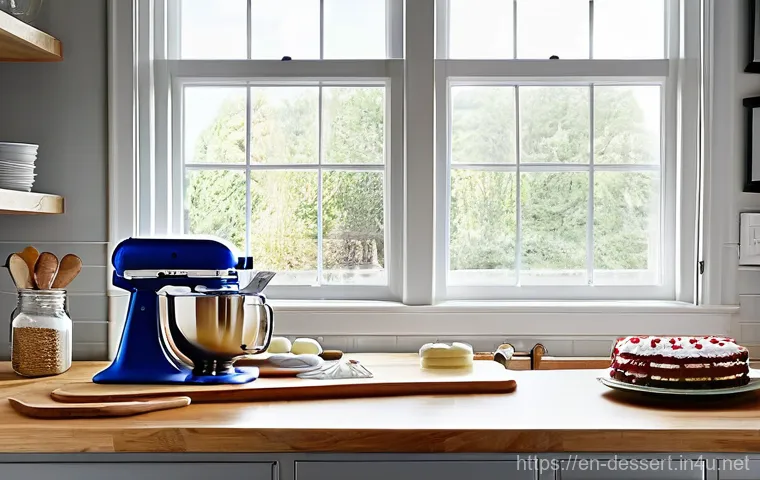
If there’s one piece of equipment I’d tell any budding baker to save up for, it’s a stand mixer. Seriously, it’s a game-changer! Before I got mine, my arm would be aching after kneading dough or whipping egg whites to stiff peaks. Now? It’s effortless. I can be prepping other ingredients while the mixer does all the hard work, whether it’s creaming butter and sugar until it’s light and fluffy or kneading bread dough to perfection. My KitchenAid has been a loyal companion for years, and it truly earns its keep. It makes tasks that used to feel like a chore genuinely enjoyable. Plus, with all the attachments, it’s not just for cakes and cookies; I’ve used mine to make pasta, grind meat, and even spiralize veggies. It’s an investment, absolutely, but one that drastically improves your baking experience and opens up a world of possibilities for more ambitious projects. I often find myself wondering how I ever managed without it. It’s not just a convenience; it’s an extension of my baking passion.
Essential Hand Tools Every Baker Needs
Beyond the big-ticket items, there’s a treasure trove of smaller, indispensable tools that truly make a difference. A good quality digital kitchen scale is paramount for accurate baking; I swear by measuring by weight, especially for things like flour, as it’s so much more precise than volume. Then there are my sturdy rubber spatulas – I have about five of them in various sizes because I use them constantly for scraping bowls clean, folding delicate batters, and stirring. A reliable whisk, a set of durable measuring cups and spoons (that don’t wear off their markings!), and a few good quality baking sheets are also absolute non-negotiables. And don’t forget parchment paper! It’s a lifesaver for easy cleanup and preventing sticking. These aren’t glamorous items, but they are the workhorses that ensure your baking goes smoothly. I’ve learned that sometimes the simplest tools are the ones you reach for most often, and having them be well-made makes all the difference in your daily baking routine.
Troubleshooting Like a Pro: Common Baking Blunders Solved
Let’s be honest, we’ve all been there. That moment when your cake sinks in the middle, your cookies spread into a giant puddle, or your bread stubbornly refuses to rise. It’s disheartening, I know! I’ve had my fair share of baking disasters, from burnt edges to soupy custards. But here’s the thing: every single one of those “failures” was a learning opportunity. Over time, I’ve developed a knack for diagnosing problems and usually know exactly what went wrong and, more importantly, how to fix it next time. It’s like being a detective in your own kitchen! Instead of throwing in the towel, I’ve learned to pause, assess, and adjust. Often, the solution is surprisingly simple, something you might have overlooked in the heat of the moment. Don’t let a few less-than-perfect bakes discourage you; embrace them as stepping stones to becoming an even more confident and skilled baker. We all make mistakes, but a true baker learns from them and comes back stronger, ready to conquer the next culinary challenge. It’s all part of the sweet journey.
Why Your Cakes Sink (and How to Fix It)
Ah, the dreaded sunken cake! It’s happened to me more times than I care to admit, especially in my early baking days. There are usually a few culprits. One common issue is opening the oven door too early, letting in a draft of cold air that causes the cake to collapse. Patience is key here, my friends! Another major factor can be overmixing the batter, which develops too much gluten and can lead to a dense, sunken center. Conversely, sometimes it’s under-baking; if the cake isn’t fully set, it will inevitably fall. Make sure you’re testing for doneness properly – a skewer inserted into the center should come out clean. And don’t forget leavening agents! Expired baking powder or soda simply won’t do their job, leaving your cake flat. I’ve found that paying close attention to oven temperature, resisting the urge to peek, and ensuring my ingredients are fresh and properly measured almost always guarantee a beautifully risen, light cake. It’s a combination of science and art, and getting it right feels so rewarding.
Cookies Spreading Too Thin?
Oh, the heartbreak of cookies that spread into flat, greasy puddles instead of staying plump and chewy! I’ve been there, staring sadly at a baking sheet full of cookie catastrophes. Often, the culprit is butter that’s too soft or even melted. Butter should be softened to room temperature, but still cool enough that it holds its shape. If it’s too warm, it melts too quickly in the oven, causing your cookies to spread rapidly. Another common reason is too little flour or too much sugar in the recipe, throwing off the delicate balance. Sometimes, your oven simply isn’t at the temperature you think it is, so a good oven thermometer can be a real savior! I’ve also found that chilling the cookie dough for at least 30 minutes, or even an hour, works wonders. The cold butter takes longer to melt, giving the cookies time to set and hold their shape. Don’t give up on your cookies! A little chill time and ensuring your butter is just right can make all the difference between a sad puddle and a perfect disc of deliciousness.
Baking for Joy: How to Turn Stress into Sweet Success
For me, baking is so much more than just following a recipe; it’s a form of therapy. Seriously! When life gets a bit overwhelming, there’s something incredibly grounding about the methodical rhythm of measuring, mixing, and the comforting warmth emanating from the oven. I’ve found that the simple act of creating something tangible and delicious with my own hands is incredibly stress-relieving. It allows me to switch off the endless chatter in my brain and focus on the present moment, on the textures, the aromas, the subtle transformations happening in front of me. And the reward? A delicious treat to share with loved ones, or perhaps just to savor by myself with a cup of tea. It’s a wonderful reminder that even in chaotic times, we can still find pockets of joy and create something beautiful. I often bake when I need a moment of peace, and it never fails to bring a smile to my face, especially when that wonderful smell starts wafting through the house. It truly is a sweet escape.
The Therapeutic Benefits of Baking
You know that feeling when you’re kneading dough, and all your worries just seem to melt away with each push and pull? That’s the therapeutic magic of baking right there. I’ve often turned to baking during stressful periods, and it’s amazing how focusing on precise measurements, the warmth of the ingredients, and the aroma filling the kitchen can bring a sense of calm. It’s a mindful activity that engages your senses and allows for a creative outlet. The tactile experience of working with dough or the delicate task of decorating a cake can be incredibly meditative. Plus, there’s the anticipation, the joy of watching something transform in the oven, and finally, the immense satisfaction of a job well done. It’s a wonderful way to practice patience, attention to detail, and to remind yourself that good things take time. I always feel a renewed sense of peace and accomplishment after a good baking session, ready to tackle whatever comes next with a slightly sweeter perspective.
Sharing the Sweetness: Gifts from the Oven
One of my absolute favorite things about baking is the joy of sharing what I’ve created. There’s something so personal and heartwarming about giving someone a homemade treat, isn’t there? It’s more than just a dessert; it’s a little piece of your time, your effort, and your affection. I often bake extra batches of cookies or muffins just to have on hand for impromptu gifts to neighbors, friends, or even as a thank you for a kind gesture. The smiles on their faces when they receive a warm, freshly baked goodie are truly priceless. It’s a wonderful way to connect with people, to spread a little happiness, and to show you care without saying a word. During the holidays, my kitchen turns into a full-on bakery, and I love putting together little gift boxes of different cookies and candies. It’s not just about the food; it’s about the gesture, the warmth, and the tradition of sharing that makes these edible gifts so incredibly special. It’s a beautiful cycle of creating and giving, and it truly enhances the joy of baking for me.
Nailing That Perfect Finish: Decorating Tips for Home Bakers
Okay, so you’ve baked a delicious cake or a batch of perfect cupcakes – fantastic! But let’s be real, a beautiful finish takes it to a whole new level, right? I used to be so intimidated by decorating, thinking it was only for professional pastry chefs. But over the years, I’ve learned that even simple techniques can make your bakes look incredibly impressive. It’s all about practice, patience, and having a few reliable tricks up your sleeve. I’m not talking about elaborate fondant sculptures here, but rather those little touches that elevate your dessert from “homemade” to “I can’t believe you made that!” It’s about making your creations as appealing to the eye as they are to the palate. A well-decorated treat doesn’t just taste better; it feels like a celebration. I’ve found that even just a thoughtfully placed sprinkle or a perfectly piped dollop of frosting can make all the difference, transforming a humble bake into a showstopper. Don’t shy away from adding that extra flourish; it’s the cherry on top, literally!
Simple Frosting Techniques for Stunning Cakes
Frosting a cake might seem daunting, but honestly, it’s mostly about having the right consistency of your frosting and a steady hand. My go-to is always a classic buttercream, but I’ve played around with Swiss meringue and cream cheese frostings too. For a super smooth finish, I always do a crumb coat first – a thin layer of frosting that traps all those pesky crumbs. Once that’s chilled, apply your final, thicker layer. A good offset spatula is your best friend here! For simple elegance, I love a rustic swirl on top, easily achieved with the back of a spoon, or if I’m feeling fancy, I’ll grab a piping bag with a star tip for pretty borders or rosettes. Don’t be afraid to experiment with different piping tips; they create such varied and beautiful effects. And remember, imperfections add character! It doesn’t have to be picture-perfect to be absolutely delicious and look fantastic. The key is to have fun with it and embrace your inner artist. Even a simple, perfectly frosted cake is a beautiful sight to behold.
Garnishes and Finishes That Wow
Sometimes, it’s the smallest detail that makes the biggest impact. When it comes to garnishes, I think less is often more, but choose wisely! A dusting of cocoa powder or powdered sugar over a brownie or a tart is incredibly simple yet adds an elegant touch. Fresh berries are my absolute favorite way to brighten up any dessert; their vibrant colors and fresh tang are irresistible. I love arranging them artfully on top of cakes or tarts. Chocolate shavings, curls, or a simple drizzle of melted chocolate can also elevate a dessert, especially if you’re working with a chocolate theme. Edible flowers are another beautiful touch, especially for springtime bakes. And for cookies, a sprinkle of flaky sea salt or a few festive sprinkles before baking can make them look extra special. These little touches show attention to detail and can truly transform your bakes from ordinary to extraordinary, making them not just a treat for the taste buds, but also a feast for the eyes. It’s all about adding that final flourish!
Seasonal Sweets: Adapting Your Baking for Every Time of Year
One of the things I absolutely adore about baking is how it connects us to the seasons. There’s nothing quite like baking an apple pie in the fall, or a light berry tart in the summer, is there? It’s like a delicious, edible calendar that marks the passage of time. I always try to bake with what’s fresh and in season, not just because the flavors are at their peak, but because it inspires me to try new things and experiment with different ingredient combinations. It’s also incredibly satisfying to go to the farmers market, pick out some gorgeous local produce, and then transform it into a delectable dessert. Baking seasonally isn’t just about ingredients, though; it’s also about the mood and feel of the time of year. Rich, comforting flavors for colder months, and bright, refreshing ones for warmer days. It pushes me to be more creative and to keep my repertoire constantly evolving, making sure my kitchen always reflects the beauty and bounty of the current season. It’s a wonderful way to keep your baking exciting and relevant throughout the entire year.
Harvesting Flavors: Autumn and Winter Bakes
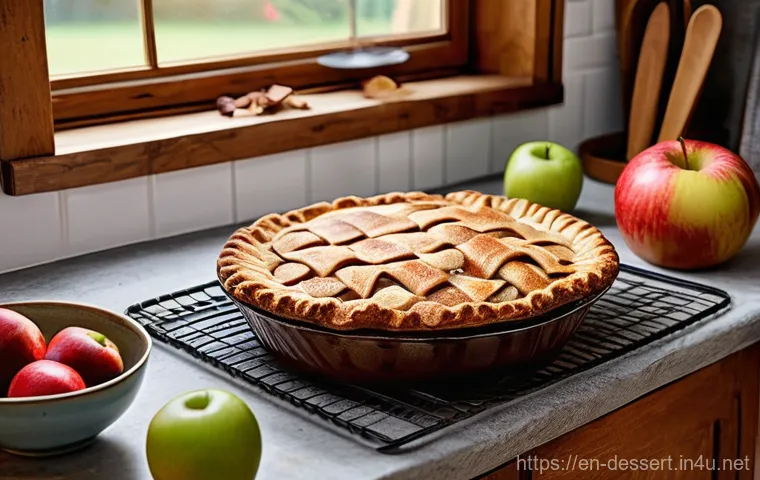
As soon as the leaves start to turn and there’s a crispness in the air, my kitchen automatically switches to autumn mode. That’s when I start craving those warm, comforting flavors: pumpkin, apple, pear, and all those glorious spices like cinnamon, nutmeg, and ginger. There’s something so cozy about pulling a pumpkin pie or an apple crumble with a spiced oat topping out of the oven when it’s chilly outside. Winter, of course, brings its own delights, with cranberries, citrus (hello, blood oranges!), and more robust spices like cloves and allspice. I love baking gingerbread cookies and spiced fruitcakes around the holidays; the aromas alone just scream “festive!” These are the bakes that warm you from the inside out and feel like a comforting hug on a cold day. They’re often richer, more decadent, and absolutely perfect for sharing around a cozy fireplace. It’s about leaning into those hearty, soul-satisfying flavors that define the cooler seasons, making your kitchen a haven of warmth and deliciousness.
Light and Bright: Spring and Summer Treats
When spring finally arrives, I feel an instant shift in my baking preferences. Suddenly, I’m craving lighter, brighter flavors and desserts that feel fresh and vibrant. This is when berries truly shine – strawberries, blueberries, raspberries – transforming into beautiful tarts, crumbles, and light sponges. Lemon, lime, and other citrus fruits also become my best friends, adding a zesty punch to everything from cheesecakes to delicate madeleines. Summer, of course, is all about stone fruits: peaches, plums, cherries! There’s nothing quite like a fresh peach cobbler with a dollop of vanilla ice cream on a warm evening. I also tend to gravitate towards no-bake desserts or lighter custards that don’t require me to fire up the oven for too long. These seasonal changes keep my baking exciting and allow me to experiment with different flavor profiles that truly celebrate the abundance of the warmer months. It’s about enjoying the freshness and simplicity that these seasons bring, creating desserts that are as refreshing as they are delicious.
| Baking Season | Key Ingredients | Typical Desserts | Flavor Profile |
|---|---|---|---|
| Spring | Strawberries, Raspberries, Rhubarb, Lemon, Mint | Berry Tarts, Lemon Meringue Pie, Fresh Fruit Scones | Light, Zesty, Floral |
| Summer | Peaches, Blueberries, Cherries, Limes, Basil | Peach Cobbler, Blueberry Crumble, Key Lime Pie | Sweet, Tangy, Refreshing |
| Autumn | Apples, Pumpkin, Pears, Cinnamon, Nutmeg | Apple Pie, Pumpkin Bread, Pear & Ginger Cake | Warm, Spiced, Comforting |
| Winter | Cranberries, Oranges, Pomegranates, Cloves, Ginger | Cranberry Orange Muffins, Gingerbread Cookies, Fruitcake | Rich, Aromatic, Festive |
글을 마치며
And there you have it, my wonderful baking community! What a journey we’ve been on, diving deep into the little secrets that truly elevate our time in the kitchen. From understanding the nuances of ingredients to mastering those essential techniques and even learning to troubleshoot like a pro, I hope you feel as inspired as I do to keep pushing your baking boundaries. It’s not about perfection every single time, believe me, I’ve had my share of ‘oops’ moments! It’s about the joy of the process, the incredible aroma filling your home, and that immense satisfaction of creating something truly delicious with your own hands. So go on, grab your apron, get your hands a little floury, and keep baking with passion and a sprinkle of adventurous spirit!
알아두면 쓸모 있는 정보
1. Precision in Measuring: Your Baking’s Silent Hero.
I’ve learned that baking is a science, and precision is absolutely non-negotiable if you want consistent results, especially when it comes to dry ingredients like flour. I used to just scoop my flour straight from the bag, but that’s a huge no-no; it compacts the flour, leading to way too much in your recipe and ultimately, a dry, dense bake. Now, I always spoon my flour lightly into the measuring cup and then level it off with a straight edge. It might seem a little finicky at first, but trust me, that simple change will dramatically improve your cakes and cookies, giving them the light, tender crumb you’re dreaming of. For truly next-level accuracy, and honestly, less mess, a digital kitchen scale is your best friend. Weighing ingredients, especially flour, guarantees the exact amount every time, taking the guesswork out of the equation. It’s one of those baker’s secrets that makes all the difference!
2. The Magic of Room Temperature Ingredients.
This is a tip I wish I’d embraced much earlier in my baking journey! So many recipes call for butter, eggs, and dairy to be at “room temperature,” and it’s not just a suggestion – it’s crucial for the texture of your final product. When butter is softened (but not melted!), it creams beautifully with sugar, incorporating tiny air pockets that create a light and fluffy batter. Cold ingredients, on the other hand, don’t emulsify properly; they can lead to a lumpy, separated mixture, which in turn results in a dense or uneven bake. I always make it a point to take my eggs and butter out of the fridge at least an hour or two before I plan to start. If you’re in a rush, a quick trick for eggs is to place them in a bowl of warm water for 5-10 minutes. For butter, you can cut it into smaller pieces to help it soften faster, but avoid microwaving unless you’re very careful!
3. Mastering Your Oven: The Unsung Hero.
You know, it’s easy to blame a recipe when something goes wrong, but often, the culprit is your oven! Every oven has its quirks, and the temperature gauge on the dial isn’t always accurate. Investing in an inexpensive oven thermometer was a game-changer for me. It allows me to truly know if my oven is at the temperature the recipe demands, preventing over- or under-baking. Beyond temperature, patience is key. I know how tempting it is to peek through that oven door, especially when your kitchen starts smelling divine, but resist! Opening the door lets out heat and can cause your delicate cakes and soufflés to collapse. Try to wait until at least two-thirds of the suggested baking time has passed before taking a quick look. It’s a small act of discipline that yields consistently better results, and your bakes will thank you for it!
4. Beyond the Basics: Understanding Ingredient Types.
When I started baking, I thought “flour is flour,” and “cocoa is cocoa.” Oh, how wrong I was! Digging a little deeper into ingredient types unlocked a whole new world of texture and flavor for my bakes. For instance, using cake flour (lower protein) for a tender crumb in cakes versus bread flour (higher protein) for chewy bread makes a colossal difference. And the same goes for cocoa powder: natural cocoa and Dutch-processed cocoa react differently with leavening agents, affecting both color and rise. I’ve also found that investing in good quality, pure vanilla extract instead of imitation, or European-style butter for a richer flavor, truly elevates even the simplest recipes. It’s not just about having the ingredients, but understanding their role and selecting the right kind for the job that transforms your baking from good to absolutely glorious.
5. The Peril of Overmixing: A Gentle Touch is Best.
This is another lesson I learned the hard way! In my enthusiasm, I used to think more mixing equaled better, but especially once dry ingredients hit the wet, overmixing is the enemy of tender baked goods. When you overmix flour, you overdevelop the gluten, which leads to tough, chewy cakes, muffins, and cookies. Nobody wants a rubbery brownie! The key is to mix *just* until the ingredients are combined. A few streaks of flour are usually fine; they’ll disappear as the mixture bakes. For things like muffins, a slightly lumpy batter is actually a good sign! Learning to stop mixing at the right moment requires a bit of intuition, but generally, less is more once you’ve added your dry ingredients. It truly preserves that delicate, melt-in-your-mouth texture we all crave.
중요 사항 정리
Alright, if you take away just three things from our time together today, let it be these: First, invest in quality ingredients—they are the heart and soul of any outstanding bake, and their impact is undeniable. Second, embrace experimentation and precision; baking is both an art and a science, so learn the rules and then playfully break them to discover your signature touch. Always remember that exact measurements and understanding your oven are paramount for consistent success. Finally, and perhaps most importantly, find the joy in every step of your baking journey. It’s a therapeutic, creative outlet, and the pure delight of sharing your homemade treats is truly one of life’s sweetest pleasures. Keep learning, keep trying, and keep spreading that deliciousness! Happy baking, everyone!
Frequently Asked Questions (FAQ) 📖
Q: For someone just dipping their toes into the wonderful world of baking, what’s the absolute best starting point, and what are a few indispensable tools you truly can’t bake without?
A: Oh, that’s such a fantastic question! I remember my own early days in the kitchen, feeling a bit overwhelmed by all the fancy gadgets and complex recipes out there.
My golden rule for beginners is always to start simple and master a few basics. Forget those elaborate tiered cakes for now; instead, dive into something classic and forgiving, like a batch of chewy chocolate chip cookies or a rich, fudgy brownie.
There’s so much joy in perfecting these foundational recipes, and they really build your confidence. As for tools, you don’t need to break the bank or fill your entire kitchen!
Honestly, for starters, I swear by a good set of measuring cups and spoons – accuracy is key in baking. Then, a couple of sturdy mixing bowls, a reliable whisk, a flexible spatula for scraping every last bit of batter, and a decent baking sheet are really all you need to get going.
I mean, I still use some of the same basic tools I started with years ago! These essentials will see you through countless delicious adventures, I promise.
Q: I’m constantly seeing new and exciting trends in baking, especially with floral flavors and alternative sugars popping up everywhere. How can an enthusiastic home baker like me start experimenting with these without completely messing up my favorite recipes?
A: I totally get it – the baking world is buzzing with innovation, and it’s so exciting to explore new horizons! I’ve had such a blast trying out floral flavors and various sugar alternatives myself, and trust me, there’s a trick to integrating them smoothly.
My advice is always to start small and think about enhancing, not overpowering. For floral notes, like delicate rose water or calming lavender, try adding just a tiny drop to a glaze for a simple Bundt cake, or infusing a bit into a whipped cream topping for cupcakes.
A little goes a very long way, and you can always add more next time! For alternative sugars, like coconut sugar, maple syrup, or even date paste, I’d suggest substituting a portion of the granulated sugar in a recipe first, rather than going 100% right away.
Each alternative has its own moisture content and sweetness level, so a direct 1:1 swap can sometimes alter the texture. My personal approach is to pick a recipe I know really well, like my go-to muffin recipe, and try a 25% or 50% substitution.
It’s all about finding that sweet spot and learning how these new ingredients play with your tried-and-true favorites. It makes the baking journey so much more personal and fun!
Q: Beyond just making delicious treats, what’s your secret to truly making baking feel like such a therapeutic and genuinely joyful experience?
A: Oh, this is where the real magic happens for me! For me, baking is so much more than just ingredients and instructions; it’s a genuine escape, a little slice of mindfulness in a busy world.
My secret? I really lean into the process of it all. I mean, think about it: the rhythmic kneading of dough, the delicate whisking of eggs, the incredible transformation that happens in the oven.
The scent of vanilla or cinnamon filling the kitchen? Pure bliss! I often put on some of my favorite music, or even a podcast, and just let myself get lost in the moment.
It’s a wonderful way to unwind and focus on something tangible and creative. And honestly, the true joy often comes from sharing. There’s something incredibly heartwarming about seeing someone’s face light up when they take that first bite of something you’ve poured your love into.
Whether it’s gifting a homemade loaf to a neighbor or simply enjoying a warm cookie with a cup of tea, it connects us. It’s an act of care, for yourself and for others, and that, my friends, is absolutely priceless.