
Hey there, fellow foodies and baking enthusiasts! We all know that irresistible feeling when the aroma of freshly baked goods fills the kitchen – pure bliss, right?
But let’s be honest, that little voice always pops up, asking about the calorie count. I’ve been there countless times, torn between savoring a delicious treat and sticking to my health goals.
It’s a common dilemma, and navigating the world of baking calories can feel like a mystery, especially with so much conflicting information out there.
Ready to master your baking game without the calorie confusion? Let’s explore all the ins and outs right here.
Unpacking Your Favorite Sweet Treats
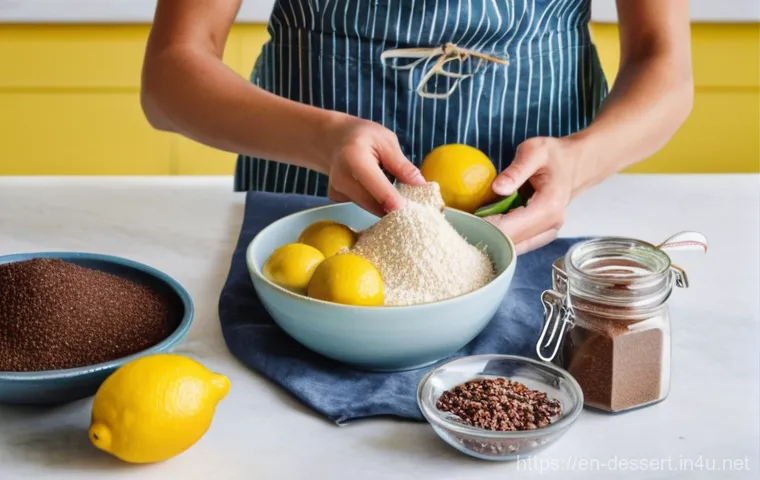
It’s an age-old dilemma, isn’t it? You’ve just pulled a batch of warm, gooey cookies from the oven, and that heavenly aroma fills every corner of your home.
Pure bliss! But then, that little voice in your head pipes up, asking about the calorie count. I’ve been there more times than I can count, oscillating between pure enjoyment and a slight twinge of guilt.
It’s totally normal to wonder about the nutritional impact of our beloved baked goods, especially with so many delicious recipes out there tempting us daily.
When I first started baking more seriously, I felt completely lost trying to figure out how many calories were actually in my creations. It felt like a mystery, a complex puzzle where every ingredient added another layer of confusion.
Over time, however, I’ve learned that understanding the components of our treats is the first step toward making informed choices, and it’s not as scary as it seems.
We can absolutely enjoy our passion for baking without feeling like we’re constantly battling the calorie monster. It’s all about a little knowledge and a lot of smart strategies.
What’s Really Adding Up?
When you think about the typical ingredients in your favorite cakes, cookies, and pastries, it’s pretty clear where the bulk of the calories come from.
We’re talking about sugar, butter, and flour, primarily. These are the building blocks, the foundational elements that give our baked goods their incredible taste and texture.
I remember experimenting with a classic chocolate chip cookie recipe, meticulously measuring out each ingredient. It wasn’t until I actually started looking up the nutritional values of a cup of granulated sugar or a stick of butter that the reality hit me.
Suddenly, that seemingly innocent batch of cookies looked a bit more formidable from a calorie perspective. It’s not to say these ingredients are inherently “bad,” but they are calorie-dense.
A single tablespoon of butter packs a punch, and when you combine that with cups of sugar and flour, the numbers can climb quickly. Understanding these core caloric contributors is crucial because it helps us identify areas where we can make small, impactful adjustments without sacrificing flavor or enjoyment.
It’s all about balance, and knowing what you’re balancing.
The Hidden Culprits
Beyond the obvious sugar and fat, there are often some sneaky ingredients that can significantly boost the calorie count without us even realizing it.
Think about all those delicious add-ins: chocolate chips, nuts, coconut flakes, glazes, and frostings. Each handful of chocolate chips or generous swirl of frosting adds another layer of indulgence, and another layer of calories.
For years, I used to sprinkle nuts generously into my banana bread, thinking, “Oh, they’re healthy fats!” And while nuts do offer healthy fats and other nutrients, they are also incredibly calorie-dense.
A quarter-cup of walnuts can add well over 150 calories to a single serving. Similarly, many store-bought glazes or even homemade ones with plenty of powdered sugar can quietly contribute hundreds of calories.
I’ve personally been guilty of adding “just a little more” chocolate to a brownie recipe, only to realize later that my definition of “a little more” was closer to half a bag!
These small additions, when compounded, can turn a moderately caloric treat into a real calorie bomb. Being mindful of these extras is a game-changer for anyone looking to enjoy their baking in a more balanced way.
Clever Ingredient Swaps That Really Work
One of the most exciting discoveries I’ve made on my baking journey is just how much flexibility there is in recipes, especially when it comes to reducing calories without compromising on flavor or texture.
For a long time, I thought baking was an exact science, and any deviation from a recipe would lead to disaster. But oh, how wrong I was! With a bit of experimentation and a willingness to try new things, I’ve unlocked a whole world of clever ingredient swaps that have made my baked goods lighter and healthier, yet still utterly delicious.
It’s like having a secret weapon in your kitchen arsenal. I remember trying to bake a “lighter” version of my grandma’s apple pie – a sacred recipe in our family.
My first attempts were, let’s just say, less than stellar. The crust was dry, the filling too watery. But I didn’t give up!
Through trial and error, and a lot of online research, I started understanding which swaps worked best for different types of baked goods. It’s about understanding the function of each ingredient and finding a healthier alternative that can perform a similar role.
Trust me, once you start experimenting, you’ll be amazed at the possibilities.
Sugar Substitutions: A Sweet Revelation
Ah, sugar – the sweet heart of so many recipes. It provides not just sweetness but also moisture, tenderness, and browning. Reducing it can be tricky, but it’s totally doable!
I’ve experimented with everything from natural sweeteners like applesauce and mashed ripe bananas to artificial sweeteners and sugar alcohols. For things like muffins and quick breads, using mashed ripe bananas or unsweetened applesauce to replace some of the sugar works wonders.
They add natural sweetness and moisture, often allowing you to reduce added sugar by a significant amount. I’ve found that for every cup of sugar, you can often swap out half a cup with applesauce and still get a great result, though you might need to slightly reduce other liquids.
For recipes where sugar’s crystalline structure is important, like cookies, I’ve had success using erythritol or stevia blends. They don’t always behave exactly like sugar, so a little tweaking is required, but I’ve made some fantastic chocolate chip cookies with significantly less sugar this way.
My personal tip? Start small, replacing just a quarter or a third of the sugar, and gradually increase as you get a feel for how the recipe reacts. You’ll be surprised at how much sweetness your palate truly needs.
Fat Fighters: Lightening Up Your Recipes
Butter and oil are crucial for moisture, tenderness, and richness in baking. But they’re also calorie powerhouses. The good news?
There are plenty of fantastic substitutes! My go-to for replacing butter in cakes and muffins is unsweetened applesauce or pureed fruit like prunes or avocado.
For example, in a batch of brownies, you can often replace half the butter with an equal amount of unsweetened applesauce. I tried this once in a chocolate cake, and my family didn’t even notice the difference – they just kept asking for more!
Another excellent option is plain Greek yogurt. It adds moisture and a slight tang, and it’s packed with protein, making it a win-win. For oil, pureed black beans can work surprisingly well in chocolate-based recipes, adding moisture and a fudgy texture.
I know, it sounds wild, but I’ve made some incredibly decadent-tasting, yet lighter, black bean brownies that were a huge hit. The key is to experiment and not be afraid to try combinations.
Sometimes, a mix of substitutes works best. For instance, half butter and half applesauce might give you the perfect balance of richness and lightness.
It’s all about finding what works for your specific recipe and your taste buds.
Flour Power: Whole Grains and Beyond
Flour is the structural backbone of most baked goods, and while all-purpose flour is a staple, it’s not always the most nutrient-dense option. Swapping it out can make a big difference in both calories and nutritional value.
I’ve become a huge fan of whole wheat flour, especially white whole wheat flour, which has a milder flavor and finer texture than traditional whole wheat.
When I first tried replacing some all-purpose flour with whole wheat in my pancakes, I was nervous it would make them dense and heavy. To my delight, they turned out beautifully fluffy and had a lovely nutty flavor!
For many recipes, you can substitute up to half of the all-purpose flour with whole wheat without a noticeable change in texture. Another great option is almond flour or oat flour, especially if you’re looking for gluten-free alternatives or a lower carb option.
Almond flour, for instance, is higher in protein and healthy fats, and lower in carbohydrates than traditional flour, though it can be more calorie-dense, so it’s a trade-off.
I’ve found it creates wonderfully moist and tender cakes and cookies. Oat flour, which you can easily make by blending rolled oats, adds a lovely chewiness and is a good source of fiber.
Don’t be afraid to mix and match; sometimes, a combination of flours yields the best results.
| Ingredient | Typical Usage | Calorie-Wise Alternative | Notes on Usage |
|---|---|---|---|
| Granulated Sugar | Sweetener, texture, browning | Unsweetened Applesauce, Mashed Ripe Bananas, Erythritol | Applesauce/Banana: Adds moisture, reduce liquids. Erythritol: Less browning, may need less for same sweetness. |
| Butter | Fat, flavor, tenderness | Unsweetened Applesauce, Plain Greek Yogurt, Pureed Avocado | Applesauce/Yogurt: Can replace 1:1 for moisture, may lose some richness. Avocado: Good for rich, fudgy textures. |
| All-Purpose Flour | Structure, binder | White Whole Wheat Flour, Oat Flour, Almond Flour | Whole Wheat/Oat: Can often substitute up to 50%. Almond: Higher fat, lower carb, creates moist bakes. |
| Full-Fat Milk | Liquid, richness | Skim Milk, Unsweetened Almond Milk | Generally a 1:1 swap. Almond milk is lower in calories. |
| Chocolate Chips | Flavor, texture | Dark Chocolate (70% cocoa+), Cacao Nibs | Dark chocolate is less sweet, more antioxidants. Cacao nibs add crunch and intense chocolate flavor with less sugar. |
Mastering the Art of Recipe Adaptation
Once you start getting comfortable with ingredient swaps, the next level of baking mastery is learning how to adapt entire recipes. This isn’t just about substituting one thing for another; it’s about looking at a recipe with a critical eye and understanding how you can tweak it to better fit your dietary goals without sacrificing the joy of baking or eating.
I used to be such a rigid baker, following every instruction to the letter, convinced that any deviation would lead to utter failure. But my experience has shown me that recipes are more like guidelines, especially when you’re aiming for a healthier outcome.
I remember wanting to make a smaller batch of my favorite brownies but only having a recipe for a huge 9×13 inch pan. Instead of just halving the ingredients, I also thought about how the baking time would change and whether I needed a smaller pan.
It’s a holistic approach, thinking about the entire process and how each adjustment affects the final product. It’s a bit like being a culinary detective, figuring out the best way to get to your desired outcome.
Scaling Down for Smaller Portions
One of the easiest ways to manage calorie intake from baking is to simply make less of it! This might sound obvious, but many traditional recipes are designed for large gatherings or big families.
If you’re baking for one or two, making a full batch can lead to overindulgence or wasted food. I’ve found that scaling down recipes for smaller pans or even making individual servings in muffin tins can be incredibly effective.
For example, if a recipe calls for a 9×13 inch pan, you can often halve the ingredients and bake it in an 8×8 inch pan. Just remember that baking times will change, usually decreasing, so keep a close eye on your oven.
Another trick I love is using ramekins or individual muffin cups for things like crumbles, small cakes, or even brownies. This naturally controls portion sizes, making it easier to stick to your goals.
I once made mini apple crisps in ramekins for a small dinner party, and everyone loved having their own perfectly portioned dessert. It felt indulgent without being over the top, and it definitely helped me enjoy a sweet treat without feeling like I’d overdone it.
The Magic of Flavor Enhancers
When you start reducing sugar and fat in recipes, you might worry that your baked goods will taste bland. This is where the magic of flavor enhancers comes in!
Spices, extracts, and zests can play a huge role in boosting flavor without adding a single calorie. I’ve discovered that a generous amount of vanilla extract, cinnamon, nutmeg, or even a pinch of cardamom can make a lighter cake taste incredibly rich and satisfying.
For instance, in an apple muffin recipe where I’ve significantly cut back on sugar, I’ll often double the cinnamon and add a touch of allspice. The warmth and aroma make up for the reduced sweetness beautifully.
Lemon or orange zest is another secret weapon. The essential oils in the zest provide a burst of fresh, vibrant flavor that can elevate almost any baked good.
I always grate extra lemon zest into my blueberry muffins – it makes them sing! And don’t forget salt; a tiny pinch of salt can actually enhance the sweetness of a recipe, making it taste sweeter than it actually is.
By layering these natural flavor enhancers, you can create delicious baked goods that are light on calories but bursting with taste.
Navigating Nutrition Labels: Your Baking Best Friend
Let’s be real: deciphering nutrition labels can feel like trying to crack a secret code sometimes, right? All those numbers, percentages, and unfamiliar terms… it’s enough to make anyone’s head spin.
But here’s a little secret I’ve learned over the years: once you get the hang of it, nutrition labels become your absolute best friend in the kitchen, especially when you’re trying to bake with an eye on calorie control.
I used to just glance at the total calories and maybe the sugar, but I’ve since realized that there’s a treasure trove of information that can guide your ingredient choices.
It’s not just about what to avoid, but also about what to look for that can boost the nutritional profile of your bakes. I remember feeling completely overwhelmed when I first started paying close attention, but with a bit of practice, I promise you’ll start seeing patterns and making smarter decisions almost instinctively.
Think of it as empowering yourself with knowledge, turning a confusing jumble of facts into actionable insights for your baking adventures.
Understanding Serving Sizes
This might sound elementary, but honestly, understanding serving sizes is probably the most crucial piece of information on any nutrition label. And it’s often where we trip up!
The calorie count listed on a package is almost always for a *single serving*, not for the entire container or what we might consider a “normal” portion.
I can’t tell you how many times I’ve happily munched on a snack, only to realize later that I’d consumed two or three servings, effectively tripling the calories I thought I was eating.
When you’re baking, this becomes even more vital because you’re creating the “servings” yourself. If a recipe yields 12 muffins and the nutritional breakdown is based on 1/12th of the recipe, that’s your benchmark.
But if your muffins are colossal, you might actually be consuming more than one “official” serving. It’s really important to be realistic about what constitutes a single portion for your creations.
I’ve started using a kitchen scale to portion out batter evenly for muffins or cutting brownies into smaller squares than I used to. It’s a small adjustment, but it makes a huge difference in accurately tracking what you’re actually consuming and helps keep those calories in check.
Spotting Calorie-Dense Ingredients
Beyond the obvious sugar and fat, nutrition labels can quickly help you identify other calorie-dense ingredients in processed foods that you might incorporate into your baking, like chocolate chips, certain sprinkles, or even some types of nuts and seeds.
I make it a habit now to quickly scan the “calories per serving” and then look at the “fat” and “carbohydrate” sections, paying particular attention to “added sugars.” For instance, when choosing chocolate chips, I’ll compare a few brands.
Some might have similar calorie counts but vastly different sugar content. If I’m trying to reduce overall sugar, that information is golden. Similarly, different brands of nut butters, if you use them in baking, can have surprising variations in added sugars and oils, which directly impacts the calorie count.
I once picked up what I thought was a healthy granola to sprinkle on top of a baked fruit crumble, only to realize after reading the label that it was loaded with added sugars and fats, essentially turning my healthy crumble into a sugar bomb.
Taking an extra minute to read these labels truly empowers you to make more informed decisions about every single ingredient that goes into your delicious baked goods.
Mindful Baking: Savoring Every Moment
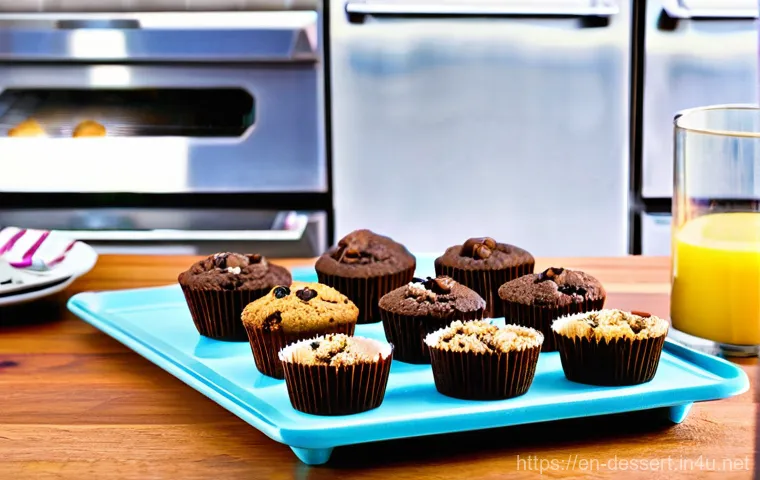
Baking, for me, has always been more than just throwing ingredients together; it’s a therapeutic process, a chance to slow down, be present, and create something truly wonderful.
And when we talk about managing calories, adopting a mindful approach to baking and eating can be incredibly powerful. It’s not about restriction or deprivation; it’s about appreciation and conscious enjoyment.
For years, I approached baking with a “get it done” mentality, rushing through steps, eager for the finished product. But I found that this rush often carried over into my eating habits – quickly devouring a treat without truly tasting it.
This left me feeling unsatisfied and often led to reaching for another slice or cookie. I’ve realized that the act of baking itself offers so many opportunities for mindfulness, from the tactile sensation of kneading dough to the comforting aroma filling the kitchen.
When I started truly savoring these moments, the entire experience changed, and surprisingly, my relationship with the food I created shifted too.
Slow Down and Enjoy the Process
Think about it: the entire process of baking is a sensory experience. The feel of flour between your fingers, the vibrant colors of fresh fruit, the comforting warmth of the oven, the intoxicating aroma that slowly wafts through your home.
Taking the time to truly engage with these sensations can transform your baking from a chore into a joy. I’ve found that when I intentionally slow down – really focusing on creaming the butter and sugar until light and fluffy, or gently folding in dry ingredients without overmixing – not only do my baked goods turn out better, but I also feel more connected to what I’m creating.
This mindful approach extends to the moment you taste your creation. Instead of grabbing a cookie and eating it on the go, try sitting down, taking a deep breath, and really experiencing that first bite.
Notice the textures, the flavors, how it feels in your mouth. I once made a batch of lemon poppy seed muffins, and instead of just scarfing one down, I took it to my patio with a cup of tea, closed my eyes, and focused solely on the taste.
It was an incredibly satisfying experience, and I found that one muffin was all I needed to feel completely content.
The Power of Homemade Goodness
There’s an undeniable satisfaction that comes from eating something you’ve made with your own hands. And honestly, that feeling of pride and accomplishment can be a powerful antidote to overeating.
When you bake from scratch, you know exactly what’s going into your food. No hidden preservatives, no artificial flavors, just wholesome ingredients you’ve chosen yourself.
This transparency is a huge part of mindful eating. I’ve noticed that when I bake something, I tend to appreciate it more. It’s not just a cookie; it’s *my* cookie, made with love and effort.
This personal connection makes me more inclined to savor each bite and be more mindful of how much I’m consuming. I remember making a homemade sourdough bread for the first time – it was a labor of love over two days!
When I finally sliced into that warm, crusty loaf, every bite felt like a triumph. I enjoyed it so much more than any store-bought bread, and I found myself naturally eating less, simply because I was so focused on appreciating the taste and the effort that went into it.
Homemade goodness truly has a power all its own.
Smart Portions for Satisfying Bites
Let’s talk about portions. It’s a word that often carries a bit of a negative connotation, conjuring images of tiny, unsatisfying plates. But honestly, when it comes to baking, mastering smart portions isn’t about deprivation; it’s about optimizing enjoyment and ensuring you feel satisfied without overdoing it.
For years, I struggled with this. A batch of freshly baked brownies would disappear far too quickly, and I’d often feel a little guilty afterwards. It wasn’t until I started actively thinking about how to portion my baked goods *before* they even went into the oven that things really started to click for me.
It’s like setting yourself up for success from the get-go. Instead of relying on willpower alone when faced with a tray of deliciousness, you’ve already built in a strategy for moderation.
This shift in mindset has been a game-changer for me, allowing me to enjoy my favorite treats without the lingering guilt or the feeling of being out of control.
It’s all about being strategic, not restrictive.
Practical Portioning Tips
There are so many simple, practical ways to ensure you’re baking and consuming smart portions. My go-to strategy involves using specific tools and techniques.
For muffins or cupcakes, invest in a good portion scoop or an ice cream scoop. This ensures every single one is the same size, making it much easier to track calories per serving and prevent any “oversized” muffins from sneaking into your diet.
I also love using muffin tins for things beyond just muffins – individual cheesecakes, small quiches, or even mini brownies. It automatically creates perfectly sized single servings.
When baking cookies, I often use a smaller cookie scoop than the recipe might suggest, or I roll out the dough thinner to yield more, smaller cookies from the same batch.
For cakes and brownies, cut them into smaller squares than you typically would. A 9×13 inch pan can easily yield 20 smaller brownies instead of 12 large ones, giving you the same deliciousness for fewer calories per piece.
And don’t forget the power of sharing! If you’ve baked a large batch, consider freezing half for later or sharing it with friends and neighbors. It helps reduce temptation and spreads the joy around.
Why Size Matters
The size of your baked goods truly matters, not just for calorie control, but also for psychological satisfaction. There’s a curious phenomenon where a smaller, beautifully presented treat can feel just as satisfying, if not more so, than a large, unwieldy one.
It’s about quality over quantity. I’ve found that when I intentionally bake smaller cookies or slice a cake into dainty pieces, I tend to savor each bite more.
It becomes an experience, rather than just consuming something quickly. Imagine a delicate mini cupcake versus a giant slab of cake. The mini cupcake often feels more elegant, more controlled, and somehow, more indulgent in its own way.
This psychological aspect is incredibly important. If you feel like you’re still enjoying a delicious treat, but in a more manageable portion, you’re much less likely to feel deprived or fall into the trap of overeating.
My experience has been that by making conscious choices about size, I not only manage my calorie intake better, but I also enhance the overall pleasure I get from my baking.
It’s a win-win, allowing me to indulge responsibly and joyfully.
Beyond Calories: The Wholesome Truth
While we’ve spent a lot of time talking about calories, it’s really important to remember that baking (and eating!) isn’t just about the numbers. It’s about so much more – the joy of creating, the pleasure of sharing, and crucially, the nourishment our bodies receive.
Focusing solely on calorie counts can sometimes lead us down a path of choosing highly processed, “low-calorie” alternatives that offer very little in terms of actual nutrition.
And honestly, that just doesn’t sit right with me. I’ve always believed that food should taste good and make us feel good, inside and out. My own journey with baking has evolved from obsessing over every calorie to a more balanced approach where I prioritize wholesome, quality ingredients.
It’s about understanding that a treat made with real butter and good quality flour, even if it has a few more calories, often provides more satisfaction and better nutrients than something made with artificial sweeteners and highly refined, nutrient-empty flours.
It’s about embracing a broader definition of “healthy.”
Focusing on Nutrient Density
When I choose ingredients for my baking now, I think beyond just the calorie count. I ask myself: “What nutritional value does this bring?” This shift in perspective has opened up a whole new world of baking possibilities.
Instead of just reaching for white flour, I might opt for whole wheat pastry flour, which offers more fiber and nutrients. If a recipe calls for milk, I’ll often choose fortified milk or even add a scoop of collagen powder for an extra protein boost.
For added sweetness, I might lean on fruits like dates or prunes, which come packed with fiber, vitamins, and minerals, rather than just empty sugar. I’ve found that incorporating ingredients like ground flaxseed or chia seeds into muffins and quick breads is an easy way to boost omega-3s and fiber without altering the taste significantly.
It’s about making every ingredient count, ensuring that even our treats are contributing positively to our overall health. This approach makes me feel so much better about indulging, knowing that I’m also nourishing my body with good stuff.
Embracing Natural Sweeteners
While reducing overall sugar is a key strategy for calorie management, when I do choose to sweeten my baked goods, I often turn to natural sweeteners that offer more than just sweetness.
Things like maple syrup, honey, and even date sugar aren’t just empty calories; they come with their own unique flavor profiles and a host of trace minerals and antioxidants.
I remember making a batch of oatmeal cookies where I replaced a portion of the granulated sugar with maple syrup, and the depth of flavor was just incredible!
It added a subtle caramel note that elevated the entire cookie. Similarly, using mashed dates in recipes can provide a rich, fudgy sweetness along with a good dose of fiber.
It’s a completely different experience than just adding white sugar. While these natural sweeteners still contain calories and need to be used in moderation, they bring a different kind of value to the table.
They help us appreciate the nuanced flavors of our ingredients and make our baked goods feel more wholesome and satisfying. It’s a delicious way to enjoy sweetness without compromising on quality or nutritional integrity.
Wrapping Things Up
So there you have it! This journey into understanding and adapting our favorite baked goods has truly transformed my own approach to the kitchen. It’s all about finding that beautiful balance where we can indulge in delicious treats without ever feeling deprived or guilty.
Remember, every small, conscious choice we make adds up to a more joyful and sustainable baking experience, allowing us to truly savor every bite.
Good to Know Info
1. Master Your Portions: Utilizing kitchen scales, portion scoops, or even smaller baking pans can make a huge difference in managing calorie intake per serving. It’s about proactive control, not reactive guilt, and it helps you enjoy your treats without overdoing it. I’ve found that having designated tools makes this much simpler and more consistent, truly setting me up for success before I even start mixing.
2. Embrace Smart Swaps: Don’t be afraid to experiment with healthier alternatives like unsweetened applesauce, Greek yogurt, or pureed fruits for fats and sugars. Explore whole grain or nut flours to boost nutrition and fiber. My own kitchen experiments have shown that a little creativity can yield surprisingly delicious results, often enhancing the flavor profile rather than diminishing it.
3. Amp Up the Flavor: When reducing calorie-dense ingredients, rely on natural flavor enhancers like vanilla extract, cinnamon, nutmeg, and citrus zests. They can make your baked goods taste richer and more satisfying without adding extra calories. I always find a generous dash of cinnamon or a good quality vanilla extract can elevate a simple recipe to something truly special, making it feel more indulgent.
4. Practice Mindful Eating: Slow down, appreciate the textures and aromas, and truly savor each bite. This intentional approach can lead to greater satisfaction and often means you need less to feel content. It’s a game-changer for me; I’ve learned that one small, mindfully enjoyed cookie can be far more satisfying than several hastily consumed ones.
5. Read Labels Wisely: Beyond just total calories, delve into nutrition labels to understand serving sizes, added sugars, and nutrient density. This knowledge empowers you to make informed decisions about every ingredient you choose to bring into your kitchen. It’s a small investment of time that pays off big, helping you select ingredients that truly align with your goals.
Key Takeaways
Ultimately, my baking journey has taught me that it’s not about perfection or completely cutting out the things we love. It’s about cultivating a more conscious and joyful relationship with our food.
I’ve personally found that when I focus on quality ingredients, thoughtful preparation, and mindful consumption, I enjoy my treats so much more. This isn’t just about calorie counts; it’s about nourishing our bodies and souls, celebrating the warmth of a homemade treat, and feeling good about what we eat.
By applying these strategies, you’re not just baking healthier; you’re baking smarter, savoring every moment, and truly enriching your culinary life. Remember, every step, no matter how small, brings you closer to a more balanced and delightful baking experience that you can share and truly feel proud of.
Keep experimenting, keep enjoying, and keep that oven warm, because the best treats are the ones made with a little bit of love and a lot of smart thinking!
Frequently Asked Questions (FAQ) 📖
Q: How can I genuinely reduce the calories in my favorite baked goods without them tasting like cardboard or completely losing that comforting, familiar texture?
A: Oh, this is the million-dollar question, isn’t it? I totally get it – we want to enjoy our treats without the guilt, but nobody wants a dry, flavorless disappointment.
From my own kitchen adventures and a fair share of trial and error, I’ve discovered some fantastic hacks that really work. My absolute go-to is swapping out a portion of the fat with unsweetened applesauce or mashed ripe banana.
For instance, if a recipe calls for a cup of oil, I might use half a cup of oil and half a cup of applesauce. You’d be amazed how moist and flavorful things stay!
Another game-changer for me has been using Greek yogurt in place of sour cream or even some butter in muffins and quick breads. It adds a lovely tang and keeps things tender with way fewer calories.
And for sugar, I often cut it by a quarter, sometimes even a third, especially in recipes that are already quite sweet, and then amp up the flavor with spices like cinnamon, nutmeg, or a splash of pure vanilla extract.
Trust me, your taste buds will still sing, and your waistline will thank you. It’s all about finding that sweet spot of smart swaps!
Q: Is it true that certain “healthy” ingredients are always better for calorie reduction in baking, or are there hidden pitfalls we should be aware of?
A: That’s a brilliant question, and one I’ve pondered myself countless times! We see “healthy” ingredients everywhere now, from almond flour to agave nectar, and it’s easy to assume they’re automatically calorie-savers.
But here’s the honest truth from someone who’s baked with them all: it’s not always so straightforward. Take nuts and seeds, for example. They’re packed with amazing nutrients and healthy fats, which is fantastic!
However, those healthy fats are also incredibly calorie-dense. So, while a handful of almonds is great, replacing all your flour with almond flour might actually increase the calorie count if you’re not careful with your proportions.
The same goes for natural sweeteners like maple syrup or honey; they’re less processed than white sugar, which is a plus, but calorie-wise, they’re often quite similar, and sometimes you even need more to achieve the same sweetness level.
My rule of thumb? Focus on ingredients that offer nutrient density alongside moderate calories, and always read the nutritional info. It’s about being informed, not just following trends blindly, and understanding that “healthy” doesn’t always equal “low calorie.”
Q: How do I accurately track calories in my homemade baking, and does it even matter as much as the calorie counts on store-bought items?
A: Ah, the great calorie-tracking conundrum! I used to drive myself absolutely bonkers trying to get a precise number for every single muffin or cookie I baked.
It felt like I needed a degree in nutritional science just to make a batch of brownies! Here’s what I’ve learned: while it’s definitely harder to get an exact number for homemade goods compared to the neatly labeled store-bought ones, it absolutely does matter, perhaps even more so.
Why? Because you’re in control! For store-bought items, you just read the label, but with homemade, you can actually influence that number.
My approach now is to use online recipe calculators – many popular cooking websites have them built-in or you can find standalone ones. You input all your ingredients and their amounts, and it’ll give you an estimated total calorie count for the entire batch.
Then, you divide that by the number of servings you get. Crucially, I always weigh my ingredients rather than using volume measurements for better accuracy.
Eyeballing a cup of flour can be wildly different each time, but 120 grams of flour is always 120 grams. Don’t obsess over getting it to the exact decimal, though.
The real value isn’t perfection, it’s awareness. Knowing roughly what’s in your homemade treats helps you make smarter choices about portion sizes, and honestly, that’s where the biggest impact on your health goals truly lies.
Plus, you’re usually avoiding all those mysterious preservatives and artificial flavors found in many commercial products, which is a massive win in itself!