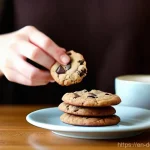
Craving something sweet without the guilt? Sugar-free desserts have become a game-changer for those looking to enjoy treats while keeping their health goals intact.
Whether you’re managing blood sugar levels, cutting calories, or simply exploring cleaner eating habits, these desserts offer delicious alternatives that don’t compromise on flavor.
From rich chocolate to fruity delights, there’s a whole world of recipes waiting to satisfy your sweet tooth without the added sugar crash. Curious about how to make or find these tasty options?
Let’s dive in and explore the sweetest secrets behind sugar-free desserts!
Choosing the Right Sweeteners for Guilt-Free Indulgence
Natural vs. Artificial Sweeteners: What’s Best for You?
When it comes to sugar-free desserts, the choice of sweetener can make all the difference. Natural sweeteners like stevia, monk fruit, and erythritol have gained popularity because they come from plant sources and typically have minimal impact on blood sugar levels.
On the other hand, artificial sweeteners such as sucralose and aspartame are chemically synthesized and often debated for their long-term health effects.
From my own experience experimenting with recipes, natural sweeteners tend to provide a more pleasant aftertaste and blend seamlessly into baked goods, while artificial ones sometimes leave a lingering chemical note.
Deciding between them depends on your health goals, taste preferences, and any sensitivities you might have.
How Sweeteners Affect Texture and Baking Outcomes
Sweeteners don’t just add flavor—they influence the texture, moisture, and browning of desserts. For example, erythritol can crystallize and create a gritty texture if not handled properly, whereas stevia blends smoothly but may lack bulk, affecting the rise of cakes and muffins.
I’ve noticed that combining sweeteners often yields the best results, like mixing erythritol with a small amount of allulose to retain moisture and softness in cookies.
Understanding these nuances helps avoid baking disasters and ensures your sugar-free treats are just as satisfying as their sugary counterparts.
Sweetener Substitution Tips for Everyday Cooking
If you’re transitioning to sugar-free desserts, knowing how to swap sweeteners in your favorite recipes is key. For instance, stevia is much sweeter than sugar, so you only need a fraction of the amount—about 1 teaspoon of stevia powder per cup of sugar.
Erythritol can usually be substituted 1:1 but might require additional liquids to compensate for moisture loss. In my kitchen, keeping a small guide handy has saved me time and frustration.
It’s also helpful to taste your batter or dough before baking to adjust sweetness as needed since sweetener potency varies by brand.
Exploring Flavorful Ingredients Beyond Sugar
Using Fruits and Spices to Enhance Sweetness Naturally
One of the best tricks I’ve discovered is boosting dessert flavor with natural ingredients that bring sweetness without refined sugar. Ripe bananas, unsweetened applesauce, and pureed dates add moisture and a subtle sweetness, perfect for muffins, pancakes, and bars.
Additionally, spices like cinnamon, nutmeg, and vanilla extract enhance perceived sweetness and add complexity. These ingredients not only make desserts more interesting but also pack in nutrients and fiber, making your treat a bit more wholesome.
Incorporating Healthy Fats and Proteins for Balance
Adding ingredients like nuts, seeds, coconut oil, or Greek yogurt can improve texture and provide satiety, which helps curb sugar cravings. I’ve found that desserts with a good balance of fat and protein tend to keep me full longer, preventing the mid-afternoon sugar crash that often follows sugary sweets.
For example, a sugar-free chocolate avocado mousse delivers rich creaminess and satisfying nutrients without any added sugar. These fats also help carry flavors and give your desserts a luscious mouthfeel that’s hard to resist.
Experimenting with Alternative Flours and Binders
Traditional wheat flour often isn’t ideal for sugar-free baking because it can make textures dense or dry when sugar is removed. Alternative flours like almond, coconut, or oat flour bring moisture and flavor while offering lower carb counts.
Combining these flours with binders like chia seeds, flax eggs, or psyllium husk can mimic the structure sugar provides. Through trial and error, I learned that almond flour paired with a flax egg creates wonderfully soft cookies, while coconut flour requires more liquid but adds a lovely tropical note.
Mastering Sugar-Free Chocolate and Candy Creations
Crafting Decadent Sugar-Free Chocolate Treats
Chocolate lovers often fear that sugar-free means sacrificing indulgence, but it doesn’t have to be that way. Using unsweetened cocoa powder combined with a blend of sweeteners like erythritol and stevia creates deep, rich chocolate flavors without the sugar spike.
I personally enjoy making sugar-free chocolate bark with nuts and dried berries, which is both satisfying and visually appealing. Tempering chocolate properly and choosing high-quality cocoa makes a huge difference in the final taste and texture.
Homemade Sugar-Free Gummies and Jellies
Gummies and jellies can be tricky since sugar usually helps with texture and preservation. However, gelatin or agar-agar paired with fruit juice and a sugar substitute can produce chewy, flavorful candies.
I found that using a little lemon juice brightens flavors and balances sweetness perfectly. These homemade treats are a hit with kids and adults alike, offering a nostalgic candy experience without guilt.
Tips for Preventing Crystallization and Achieving Smooth Textures
One challenge in sugar-free candy making is avoiding crystallization, which can ruin texture and mouthfeel. Adding ingredients like cream of tartar or corn syrup alternatives (such as allulose syrup) helps inhibit crystals.
When I first tried making sugar-free caramels, failing to control crystallization led to gritty results, but once I mastered the timing and ingredient ratios, the smooth, buttery texture was unbeatable.
Patience and precise temperature control are essential for success.
Practical Guide to Sugar-Free Dessert Ingredients
| Ingredient | Sweetness Level | Best Uses | Health Impact |
|---|---|---|---|
| Stevia | 200-300x sweeter than sugar | Drinks, baked goods, frostings | Zero calories, no blood sugar effect |
| Erythritol | 70% as sweet as sugar | Cookies, chocolates, candies | Low calories, may cause digestive upset in large amounts |
| Monk Fruit | 150-200x sweeter than sugar | Sauces, beverages, baking | Zero calories, no glycemic impact |
| Allulose | 70% as sweet as sugar | Caramel, baked goods, ice cream | Low calories, minimal blood sugar effect |
| Coconut Sugar | Similar to sugar | General baking | Contains trace nutrients, moderate glycemic index |
Building a Sugar-Free Dessert Pantry
Essential Staples to Keep on Hand
Stocking your pantry with versatile sugar-free ingredients can save time and make dessert creation less intimidating. I recommend keeping a variety of sweeteners like erythritol, stevia, and monk fruit powder, along with alternative flours such as almond and coconut flour.
Don’t forget natural flavor enhancers like vanilla extract, cinnamon, and cocoa powder. Having these basics ready allows for quick assembly of everything from muffins to puddings without last-minute store runs.
Storage Tips for Maintaining Freshness and Flavor
Sugar-free desserts sometimes have different storage needs than traditional sweets. For example, baked goods made with almond flour tend to dry out faster, so storing them in airtight containers with a slice of bread or an apple wedge helps maintain moisture.
Many sugar-free confections, like chocolates and caramels, benefit from refrigeration to prevent melting or spoilage. I learned the hard way that freezing certain desserts can alter texture, so it’s best to test small batches first before long-term storage.
Where to Find Quality Ingredients Locally and Online
Finding reliable sources for sugar-free ingredients can be daunting, but specialty health food stores and larger supermarkets often carry a good selection.
Online retailers provide even broader access, with options ranging from organic stevia powders to rare flours. I personally shop online for bulk erythritol and monk fruit blends to save money and ensure quality.
Reading customer reviews and checking ingredient labels carefully helps avoid additives and fillers that might defeat your sugar-free goals.
Overcoming Common Challenges in Sugar-Free Baking
Dealing with Texture Differences
Sugar not only sweetens but also contributes to the structure and moisture of desserts. Removing it can lead to dry, crumbly, or dense results. To combat this, I often add extra eggs, yogurt, or applesauce to retain moisture.
Experimenting with different flour blends also helps achieve a tender crumb. It takes some trial and error, but once you understand how your ingredients interact, you can create desserts that rival traditional recipes.
Managing Sweetness Levels to Suit Your Taste
Because sugar substitutes vary widely in sweetness, it’s easy to under- or over-sweeten a dessert. My advice is to start with less sweetener than you think you need and taste as you go.
Keep in mind that some sweeteners lose potency when heated, while others become more intense. Balancing sweetness with acidity from citrus or yogurt often improves flavor complexity and prevents one-note tastes.
Encouraging Friends and Family to Try Sugar-Free Treats
One of the most rewarding parts of my sugar-free journey has been sharing these desserts with loved ones. Sometimes people are skeptical, expecting bland or “diet” flavors.
Presenting your desserts with confidence and explaining the health benefits gently can open minds. I’ve found that involving friends in the baking process and offering familiar favorites with a sugar-free twist makes acceptance easier and even fun.
Sharing recipes and swapping tips builds community and motivation.
Incorporating Sugar-Free Desserts into a Balanced Lifestyle
Mindful Indulgence Without Overdoing It
While sugar-free desserts reduce sugar intake, it’s important to enjoy them in moderation. I remind myself that even natural sweeteners can impact gut health or cause cravings if consumed excessively.
Treating these desserts as special occasions rather than daily staples helps maintain balance. Pairing sweets with nutrient-dense meals and staying hydrated supports overall wellbeing and satisfaction.
Using Sugar-Free Desserts to Support Specific Health Goals
For people managing diabetes or following low-carb diets, sugar-free desserts can be a valuable tool. I’ve worked with clients who successfully incorporated these treats to prevent blood sugar spikes and reduce sugar cravings.
Adjusting portion sizes and choosing recipes with fiber and protein helps stabilize energy levels. Consulting a healthcare professional ensures your dessert choices fit your personal health plan.
Creating New Traditions and Celebrations
Sugar-free desserts don’t mean sacrificing celebrations or family traditions. Instead, they offer opportunities to create new rituals around health-conscious indulgence.
I love hosting gatherings where sugar-free treats are the star—showcasing how delicious and festive these options can be. Baking together, sharing stories, and discovering new recipes turns dessert time into joyful, mindful experiences everyone can enjoy.
글을 마치며
Choosing the right sweeteners and ingredients is key to enjoying guilt-free, delicious sugar-free desserts. Through experimenting with natural and artificial options, I’ve found ways to balance flavor, texture, and health benefits without compromising taste. Whether you’re baking for health reasons or simply exploring new flavors, these tips can help you create satisfying treats that everyone will love. Remember, the journey to mastering sugar-free desserts is as rewarding as the results.
알아두면 쓸모 있는 정보
1. Natural sweeteners like stevia and monk fruit often blend better in baked goods and have minimal impact on blood sugar levels, making them great options for health-conscious baking.
2. Combining sweeteners, such as erythritol with allulose, can improve texture and moisture, preventing common baking issues like grittiness or dryness.
3. Using fruits and spices like bananas, cinnamon, and vanilla extract can naturally enhance sweetness and add depth without adding refined sugars.
4. Incorporating healthy fats and proteins, such as nuts or Greek yogurt, helps improve dessert texture and keeps you full longer, reducing sugar cravings.
5. Proper storage techniques, like airtight containers and refrigeration, help maintain the freshness and quality of sugar-free desserts over time.
중요 사항 정리
Successfully making sugar-free desserts requires understanding how different sweeteners and alternative ingredients affect taste and texture. Experimentation is essential—adjusting sweetness levels, combining sweeteners, and using natural flavor enhancers can dramatically improve your results. It’s also important to store your creations properly to preserve freshness. Finally, enjoying these treats mindfully within a balanced lifestyle ensures they support your health goals without sacrificing enjoyment.
Frequently Asked Questions (FAQ) 📖
Q: Are sugar-free desserts truly healthier than regular desserts?
A: It depends on the ingredients used, but generally, sugar-free desserts can be a healthier choice, especially if you’re managing blood sugar or trying to reduce calorie intake.
Many sugar-free options use natural sweeteners like stevia, erythritol, or monk fruit, which don’t spike blood sugar levels. However, some sugar-free treats might still be high in fats or calories, so it’s important to check the full nutrition profile.
From my experience, swapping traditional desserts for well-made sugar-free versions has helped me satisfy cravings without feeling sluggish afterward.
Q: What sweeteners are commonly used in sugar-free desserts, and are they safe?
A: Common sweeteners include stevia, erythritol, monk fruit, and sometimes xylitol. These sugar substitutes are generally recognized as safe by health authorities and don’t cause the same blood sugar spikes as regular sugar.
Personally, I find erythritol blends great because they have minimal aftertaste and don’t upset my stomach, unlike some artificial sweeteners. It’s always good to start with small amounts to see how your body reacts, especially if you’re new to sugar alternatives.
Q: Can sugar-free desserts still taste as good as regular ones?
A: Absolutely! When done right, sugar-free desserts can be just as delicious, if not better, than their sugary counterparts. It might take a little experimentation with recipes and sweetener combinations to find what suits your palate.
For example, I’ve tried sugar-free chocolate mousse that was rich and creamy without any bitterness, and fruit-based desserts that tasted naturally sweet without added sugars.
The key is balancing sweetness, texture, and flavor—once you get that, you won’t miss the sugar at all.