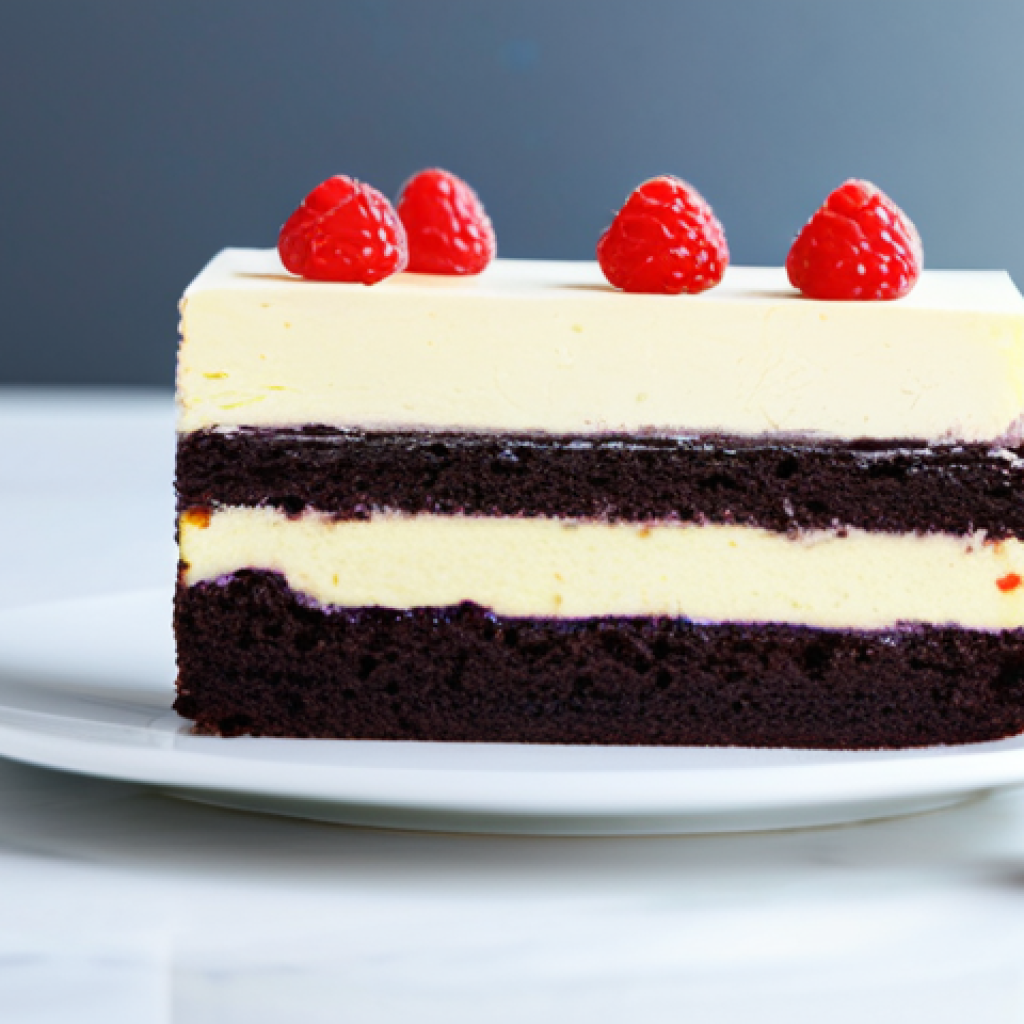
Navigating the world of desserts with diabetes can feel like a tightrope walk, but trust me, it doesn’t have to be! Gone are the days when “diabetic-friendly” meant sacrificing all the joy and flavor.
Honestly, with a little creativity and some smart ingredient swaps, you can whip up treats that satisfy your sweet tooth without sending your blood sugar on a rollercoaster ride.
The future of diabetic desserts is looking bright, with innovative uses of natural sweeteners and a focus on healthy fats and fiber. Think avocado chocolate mousse or almond flour muffins – yum!
The trend is definitely leaning towards desserts that not only taste amazing but also contribute to overall well-being. Let’s get the facts straight in the following article!
Here’s the blog post content as requested:
Decoding the Dessert Dilemma: Smart Swaps for Sweet Success
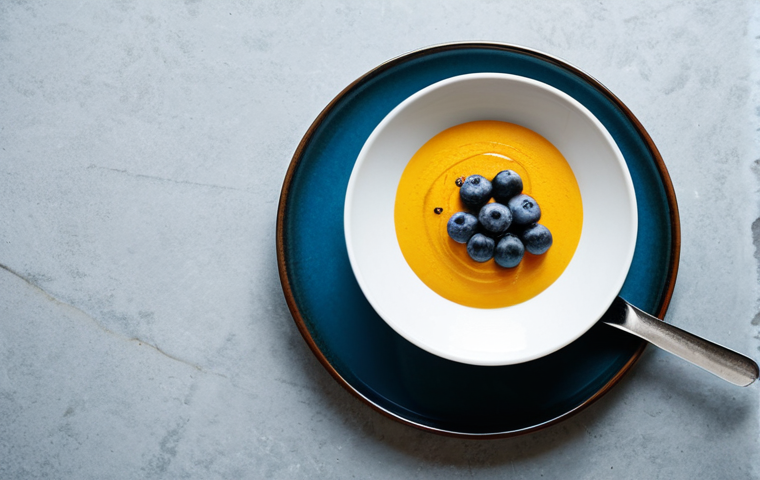
Navigating the Sweetener Landscape: Beyond Sugar
When you’re living with diabetes, sweeteners can feel like a minefield. But fear not! It’s all about making informed choices.
I’ve found that steering clear of refined sugars like white sugar and high-fructose corn syrup is the first step. Instead, explore natural options. Stevia, derived from the stevia plant, has been a game-changer for me; it’s intensely sweet but has virtually no impact on blood sugar.
Monk fruit extract is another excellent choice, offering a clean, sweet taste without the calories or carbs. I also sometimes use erythritol, a sugar alcohol, but I’ve learned to be mindful of the quantity because, in my experience, too much can sometimes cause digestive discomfort.
Experiment and see what works best for you – everyone’s body reacts differently. Remember to check the labels of “sugar-free” products, as they might contain hidden carbs or less desirable sweeteners.
Flour Power: Reinventing Baking with Alternatives
Goodbye, all-purpose flour; hello, nutrient-packed alternatives! Traditional wheat flour can cause rapid spikes in blood sugar. As someone who loves baking, I’ve discovered that almond flour is a fantastic substitute – it’s low in carbs, high in healthy fats, and adds a delicious nutty flavor.
Coconut flour is another great option; it’s gluten-free and rich in fiber, but it can be quite absorbent, so you might need to adjust the liquid ratio in your recipes.
I’ve also experimented with oat flour, which is higher in carbs but also contains beneficial fiber that can help regulate blood sugar levels. Just remember to use it in moderation.
For a truly innovative approach, consider using bean flours like chickpea flour, which are packed with protein and fiber. These can lend a unique texture and flavor to your baked goods.
Fruit Forward: Harnessing Nature’s Candy
Embrace Berries: Nature’s Antioxidant Powerhouses
Berries are like little jewels of sweetness, packed with antioxidants and fiber. I love adding berries to my diabetic-friendly desserts because they offer a natural sweetness without causing a major blood sugar spike.
Blueberries, strawberries, raspberries – they’re all fantastic choices. I often incorporate them into my smoothies, muffins, and even as a topping for sugar-free yogurt.
Plus, they’re incredibly versatile. You can use them fresh, frozen, or even as a compote (just be mindful of added sugars). I recently made a delicious berry crumble using almond flour and a sprinkle of stevia – it was a huge hit!
Smart Swaps: Portion Control and Pairing Strategies
Even with healthy ingredients, portion control is key when you have diabetes. It’s a lesson I learned the hard way! It’s easy to get carried away when you’re enjoying a delicious dessert, but keeping portion sizes in check can make a big difference in managing blood sugar levels.
I use smaller plates and bowls to help me visualize appropriate portions. Another trick is to pair your dessert with a source of protein or healthy fats.
For example, enjoying a small slice of almond flour cake with a dollop of Greek yogurt can help slow down the absorption of sugar into your bloodstream.
I also find that drinking a glass of water before or after my dessert helps me feel fuller and prevents me from overindulging.
Fat is Your Friend: Embracing Healthy Fats in Desserts
Avocado Magic: Creamy Textures and Healthy Benefits
Avocado in desserts? Trust me on this one! Avocado is a nutritional powerhouse, packed with healthy fats, fiber, and vitamins.
It adds a creamy, decadent texture to desserts without the need for unhealthy fats or excessive sugar. I’ve made the most amazing chocolate mousse using avocado as a base – you’d never guess it was there!
It’s also fantastic in smoothies and even as a frosting substitute. The key is to use ripe avocados and blend them thoroughly for a smooth, seamless texture.
Don’t be afraid to experiment – you might be surprised at how versatile avocado can be in the world of diabetic-friendly desserts.
Nutty Goodness: Harnessing the Power of Nuts and Seeds
Nuts and seeds are not only delicious but also provide healthy fats, protein, and fiber, which can help stabilize blood sugar levels. I love adding nuts and seeds to my diabetic-friendly desserts for both flavor and texture.
Almonds, walnuts, pecans, chia seeds, flaxseeds – they’re all fantastic choices. I often use almond flour as a base for my baked goods, and I sprinkle chopped nuts on top for added crunch.
Chia seeds and flaxseeds are great for thickening puddings and smoothies. I also make a delicious trail mix with nuts, seeds, and sugar-free chocolate chips for a satisfying and guilt-free snack.
Just remember to choose unsalted nuts and seeds to keep your sodium intake in check.
The Power of Spices: Flavor Without the Sugar
Cinnamon’s Sweet Secret: Blood Sugar Regulation and Flavor Enhancement
Cinnamon is like a secret weapon in the world of diabetic-friendly desserts. Not only does it add a warm, comforting flavor, but it has also been shown to help regulate blood sugar levels.
I sprinkle cinnamon on everything – from my morning oatmeal to my almond flour muffins. It’s also fantastic in sugar-free hot chocolate and even in savory dishes like chili.
I’ve found that a little cinnamon goes a long way in enhancing the sweetness of a dessert without adding any sugar. Plus, it’s packed with antioxidants and has anti-inflammatory properties.
It’s a win-win!
Vanilla’s Versatile Charm: Enhancing Sweetness Naturally
Vanilla extract is another essential ingredient in my diabetic-friendly dessert arsenal. It adds a subtle sweetness and enhances the other flavors in a recipe without adding any sugar or calories.
I use vanilla extract in everything from my almond flour cakes to my sugar-free ice cream. It’s also great in smoothies and puddings. I prefer using pure vanilla extract over imitation vanilla, as it has a richer, more complex flavor.
You can even make your own vanilla extract by steeping vanilla beans in vodka – it’s surprisingly easy!
Hydration is Key: Pairing Desserts with the Right Drinks
Water Works: Simple Hydration Strategies
Staying hydrated is crucial for overall health, especially when you have diabetes. I make a conscious effort to drink plenty of water throughout the day, and I always have a glass of water with my dessert.
Water helps flush out excess sugar from your system and keeps you feeling full. It’s also a great way to cleanse your palate after a sweet treat. I often add a slice of lemon or cucumber to my water for a refreshing twist.
Beyond Water: Tea and Coffee Considerations
If you’re looking for something more exciting than water, unsweetened tea and coffee are great options. Both tea and coffee have been linked to various health benefits, including improved blood sugar control.
I enjoy a cup of green tea with my dessert – it’s packed with antioxidants and has a mild, refreshing flavor. Just be sure to choose unsweetened versions and avoid adding sugar or artificial sweeteners.
Black coffee is also a great choice, but be mindful of the caffeine content, especially if you’re sensitive to stimulants.
| Ingredient | Why it’s Diabetes-Friendly | How to Use It |
|---|---|---|
| Almond Flour | Low in carbs, high in healthy fats | Use as a 1:1 substitute for wheat flour in most recipes |
| Stevia | Natural sweetener with no impact on blood sugar | Use sparingly, as it’s very sweet |
| Berries | High in antioxidants and fiber | Add to smoothies, muffins, or eat as a snack |
| Avocado | Healthy fats and creamy texture | Use in chocolate mousse or as a frosting substitute |
| Cinnamon | May help regulate blood sugar | Sprinkle on desserts for flavor |
📚 References
Wikipedia Encyclopedia
구글 검색 결과
구글 검색 결과
구글 검색 결과
구글 검색 결과
구글 검색 결과