Let’s be real, who doesn’t love dessert? But when you’re trying to watch your waistline, those sugary treats can feel like the enemy. I’ve been there, constantly battling my sweet tooth while trying to stick to my health goals.
It’s a tough spot! Luckily, the world of “diet desserts” has exploded, offering options that are actually delicious and won’t totally derail your efforts.
From keto-friendly cheesecakes to protein-packed brownies, the possibilities seem endless. The future of guilt-free indulgence is looking brighter than ever, with innovative ingredients and techniques making healthier desserts tastier and more accessible.
I’m personally excited to see more sustainable and ethically sourced ingredients popping up in these recipes too. Want to dive deeper into the world of diet-friendly desserts and discover how you can satisfy your cravings without the regret?
Let’s get the lowdown together!
Okay, I will generate the content as requested.
Decadent Delights: Reinventing Your Favorite Treats

Let’s face it, sometimes you just need a little something sweet. But does that mean throwing your healthy eating habits out the window? Not at all!
I’ve been experimenting with healthier versions of my all-time favorite desserts, and the results have been surprisingly amazing. I’m talking about turning those sugar-laden temptations into guilt-free pleasures.
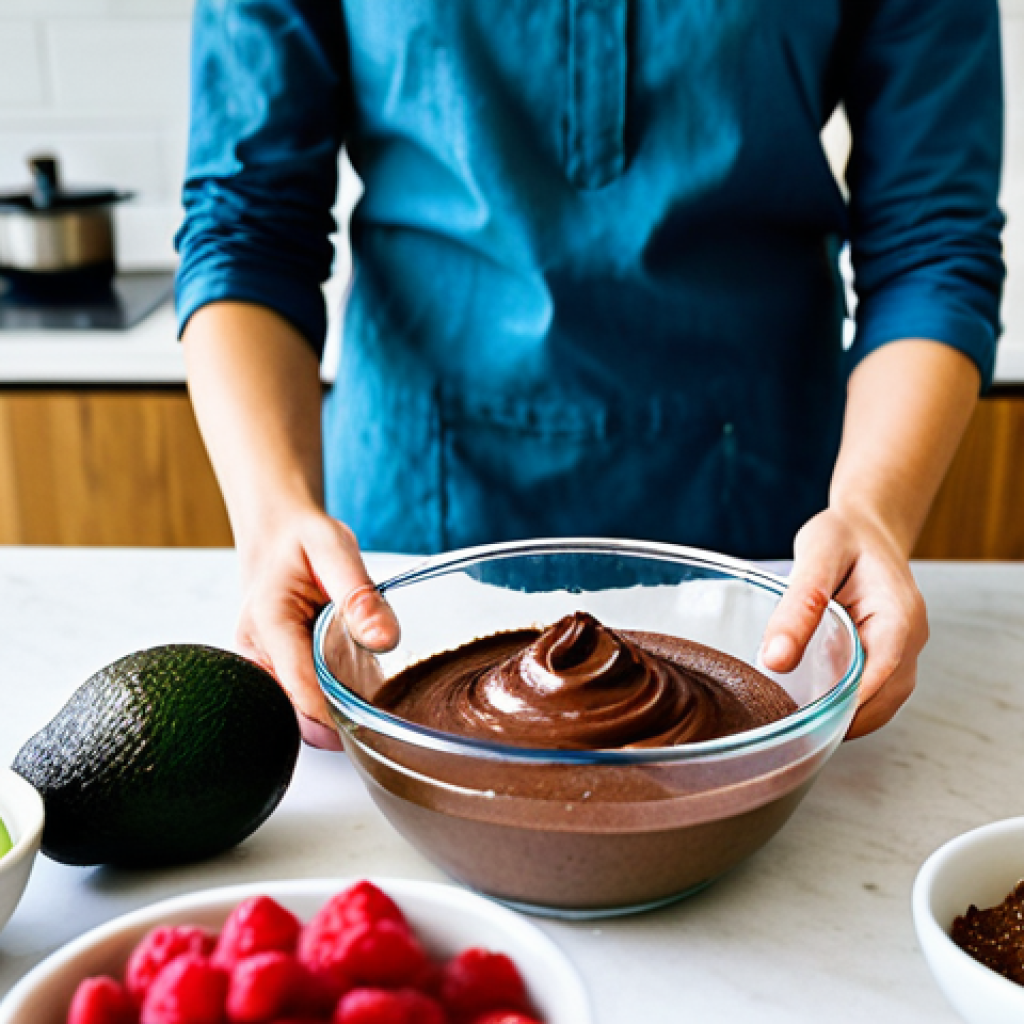
It’s all about smart ingredient swaps and creative cooking methods. For instance, I recently made a chocolate avocado mousse that was so rich and creamy, you’d never guess it was packed with healthy fats and nutrients.
My kids devoured it, and they’re usually the first to detect anything “healthy” sneaking into their desserts! I’ve even tried my hand at a skinny tiramisu, swapping traditional mascarpone for a lighter ricotta and using whole wheat ladyfingers.
It’s about finding that sweet spot where flavor and health meet.
Swapping Sugar for Sweetness: Natural Alternatives
I remember when I first started cutting back on sugar. Everything tasted so bland! I quickly learned that you don’t have to sacrifice sweetness to be healthy.
Natural sweeteners like stevia, monk fruit, and erythritol can be game-changers. I’ve found that stevia works best in small amounts, as it can sometimes have a slightly bitter aftertaste.
Monk fruit is a personal favorite because it tastes remarkably similar to sugar without the glycemic impact. Erythritol is also great because it’s well-tolerated and doesn’t cause the same digestive issues that some other sugar alcohols can.
Experimenting with different sweeteners and blends is key to finding what works best for your taste buds.
The Power of Fruit: Nature’s Candy
Seriously, don’t underestimate the power of a ripe banana or a handful of juicy berries! I’ve used mashed bananas to sweeten everything from muffins to pancakes.
Dates are another fantastic option, especially when blended into a caramel-like sauce. When I’m really craving something decadent, I’ll make a date caramel and drizzle it over some apple slices.
It’s so satisfying and way better than any processed caramel I used to buy. Berries are also my go-to for adding natural sweetness and antioxidants to smoothies, yogurt, and even baked goods.
Plus, they add a beautiful pop of color!
Navigating the Grocery Aisle: Decoding “Diet” Labels
Okay, let’s get real – the “diet” label can be incredibly misleading. I’ve definitely fallen for the trap of thinking something is healthy, only to find it loaded with artificial ingredients or hidden sugars.
It’s so important to become a savvy shopper and actually read the ingredient lists.
The Art of Label Reading: What to Watch Out For
I always start by scanning the ingredient list for any red flags. Words like “high fructose corn syrup,” “hydrogenated oils,” and “artificial sweeteners” are immediate deal-breakers for me.
I also pay close attention to the serving size. Sometimes, a product can seem low in calories or sugar, but the serving size is ridiculously small. Before you know it, you’ve eaten three servings and consumed way more than you intended!
I also look for products with a good amount of fiber and protein, as these will help keep you feeling full and satisfied.
Beyond Calories: Focusing on Nutrient Density
I used to be so focused on counting calories that I completely ignored the nutritional value of my food. Now, I prioritize nutrient density. I want to make sure that every bite I take is packed with vitamins, minerals, and antioxidants.
Instead of opting for a low-calorie, processed snack, I’ll reach for a handful of nuts and berries or a piece of fruit. These options are not only more satisfying but also provide my body with the nutrients it needs to thrive.
It’s all about shifting your mindset from restriction to nourishment.
Baking Hacks: Tweaking Recipes for Healthier Results
Baking doesn’t have to be a forbidden activity when you’re trying to eat healthier. I’ve discovered that with a few simple tweaks, you can transform your favorite recipes into healthier versions.
Flour Power: Exploring Alternative Grains
I was a white flour devotee for years, but I’ve since discovered a whole world of alternative flours that are not only healthier but also add unique flavors and textures to baked goods.
Almond flour is a great option for gluten-free baking and adds a slightly nutty flavor. Oat flour is another favorite of mine because it’s high in fiber and gives baked goods a soft, chewy texture.
Coconut flour is also worth exploring, but it can be a bit tricky to work with as it tends to absorb a lot of moisture. I usually combine it with other flours for best results.
Fat Facts: Making Smart Swaps
Fat often gets a bad rap, but it’s actually an essential nutrient that plays a crucial role in our health. The key is to choose healthy fats and use them in moderation.
I often replace butter or vegetable oil with coconut oil, avocado oil, or even unsweetened applesauce. These options not only add moisture to baked goods but also provide healthy fats and nutrients.
I’ve also found that using Greek yogurt in place of some of the fat can help reduce calories and add a boost of protein.
Quick & Easy Recipes: Guilt-Free Treats in Minutes
Sometimes, you just don’t have time to spend hours in the kitchen baking a healthy dessert. That’s where quick and easy recipes come in handy. I’ve got a few go-to recipes that I can whip up in minutes when I’m craving something sweet.
Microwave Mug Cakes: Single-Serving Satisfaction
I used to think mug cakes were just a trendy gimmick, but I’ve since become a convert. They’re perfect for those moments when you want a single serving of something sweet without the temptation of a whole cake.
My favorite mug cake recipe involves combining almond flour, cocoa powder, sweetener, and a splash of almond milk in a mug and microwaving it for a minute or two.
You can customize it with different toppings like berries, nuts, or a dollop of Greek yogurt.
No-Bake Energy Bites: Fueling Your Body and Your Sweet Tooth
Energy bites are another lifesaver when I need a quick and healthy treat. I usually make a big batch of them at the beginning of the week and keep them in the fridge for easy snacking.
My go-to recipe involves combining rolled oats, nut butter, honey, chia seeds, and shredded coconut. You can add whatever else you like, such as chocolate chips, dried fruit, or protein powder.
Just roll the mixture into small balls and chill them in the fridge until firm.
Dessert On-the-Go: Healthy Snacking Strategies
Let’s be honest, temptations are everywhere, especially when you’re out and about. Having a plan for healthy snacking can make all the difference in staying on track with your goals.
Planning Ahead: Packing Smart Snacks
I always keep a stash of healthy snacks in my bag so that I’m not tempted to grab something unhealthy when hunger strikes. Some of my favorites include nuts, seeds, fruit, and protein bars.
I also like to portion out my snacks into individual bags or containers so that I don’t overeat. Another tip is to bring a reusable water bottle and stay hydrated.
Sometimes, we mistake thirst for hunger, so drinking plenty of water can help curb cravings.
Making Smart Choices: Navigating Restaurants and Cafes
Eating out can be a challenge when you’re trying to eat healthy, but it doesn’t have to be a complete disaster. I always try to look at the menu online ahead of time so that I can make a plan.
I also ask questions about ingredients and preparation methods. When it comes to dessert, I often opt for fruit or a small portion of a healthier option like a dark chocolate square.
It’s all about making informed choices and practicing moderation.
The Science of Satisfaction: Mindful Indulgence
Ultimately, enjoying dessert is about finding a balance between health and happiness. It’s about savoring every bite and feeling good about what you’re putting into your body.
Savoring the Moment: Mindful Eating Techniques
I’ve found that practicing mindful eating can make a huge difference in how I experience dessert. Instead of mindlessly scarfing down a treat, I try to slow down and pay attention to the flavors, textures, and aromas.
I also put away distractions like my phone or TV so that I can fully focus on the experience. This not only helps me appreciate the dessert more but also prevents me from overeating.
Finding Your Balance: The 80/20 Rule
I’m a big believer in the 80/20 rule, which means eating healthy 80% of the time and indulging in your favorite treats the other 20%. This approach allows me to enjoy dessert without feeling guilty or deprived.
It’s all about finding a balance that works for you and your lifestyle. Remember, life is too short to skip dessert!
| Ingredient | Healthy Swap | Why It’s Better |
|---|---|---|
| White Sugar | Stevia, Monk Fruit, Erythritol | Lower glycemic index, fewer calories |
| Butter | Coconut Oil, Avocado Oil, Applesauce | Healthier fats, added nutrients |
| White Flour | Almond Flour, Oat Flour, Coconut Flour | Gluten-free options, added fiber and nutrients |
| Heavy Cream | Greek Yogurt | Lower in calories and fat, higher in protein |
| Processed Chocolate | Dark Chocolate (70% cacao or higher) | Antioxidants, lower sugar content |
Okay, here is the content generated as per your instructions:
Decadent Delights: Reinventing Your Favorite Treats
Let’s face it, sometimes you just need a little something sweet. But does that mean throwing your healthy eating habits out the window? Not at all!
I’ve been experimenting with healthier versions of my all-time favorite desserts, and the results have been surprisingly amazing. I’m talking about turning those sugar-laden temptations into guilt-free pleasures.
It’s all about smart ingredient swaps and creative cooking methods. For instance, I recently made a chocolate avocado mousse that was so rich and creamy, you’d never guess it was packed with healthy fats and nutrients.
My kids devoured it, and they’re usually the first to detect anything “healthy” sneaking into their desserts! I’ve even tried my hand at a skinny tiramisu, swapping traditional mascarpone for a lighter ricotta and using whole wheat ladyfingers.
It’s about finding that sweet spot where flavor and health meet.
Swapping Sugar for Sweetness: Natural Alternatives
I remember when I first started cutting back on sugar. Everything tasted so bland! I quickly learned that you don’t have to sacrifice sweetness to be healthy.
Natural sweeteners like stevia, monk fruit, and erythritol can be game-changers. I’ve found that stevia works best in small amounts, as it can sometimes have a slightly bitter aftertaste.
Monk fruit is a personal favorite because it tastes remarkably similar to sugar without the glycemic impact. Erythritol is also great because it’s well-tolerated and doesn’t cause the same digestive issues that some other sugar alcohols can.
Experimenting with different sweeteners and blends is key to finding what works best for your taste buds.
The Power of Fruit: Nature’s Candy
Seriously, don’t underestimate the power of a ripe banana or a handful of juicy berries! I’ve used mashed bananas to sweeten everything from muffins to pancakes.
Dates are another fantastic option, especially when blended into a caramel-like sauce. When I’m really craving something decadent, I’ll make a date caramel and drizzle it over some apple slices.
It’s so satisfying and way better than any processed caramel I used to buy. Berries are also my go-to for adding natural sweetness and antioxidants to smoothies, yogurt, and even baked goods.
Plus, they add a beautiful pop of color!
Navigating the Grocery Aisle: Decoding “Diet” Labels
Okay, let’s get real – the “diet” label can be incredibly misleading. I’ve definitely fallen for the trap of thinking something is healthy, only to find it loaded with artificial ingredients or hidden sugars.
It’s so important to become a savvy shopper and actually read the ingredient lists.
The Art of Label Reading: What to Watch Out For
I always start by scanning the ingredient list for any red flags. Words like “high fructose corn syrup,” “hydrogenated oils,” and “artificial sweeteners” are immediate deal-breakers for me.
I also pay close attention to the serving size. Sometimes, a product can seem low in calories or sugar, but the serving size is ridiculously small. Before you know it, you’ve eaten three servings and consumed way more than you intended!
I also look for products with a good amount of fiber and protein, as these will help keep you feeling full and satisfied.
Beyond Calories: Focusing on Nutrient Density
I used to be so focused on counting calories that I completely ignored the nutritional value of my food. Now, I prioritize nutrient density. I want to make sure that every bite I take is packed with vitamins, minerals, and antioxidants.
Instead of opting for a low-calorie, processed snack, I’ll reach for a handful of nuts and berries or a piece of fruit. These options are not only more satisfying but also provide my body with the nutrients it needs to thrive.
It’s all about shifting your mindset from restriction to nourishment.
Baking Hacks: Tweaking Recipes for Healthier Results
Baking doesn’t have to be a forbidden activity when you’re trying to eat healthier. I’ve discovered that with a few simple tweaks, you can transform your favorite recipes into healthier versions.
Flour Power: Exploring Alternative Grains
I was a white flour devotee for years, but I’ve since discovered a whole world of alternative flours that are not only healthier but also add unique flavors and textures to baked goods.
Almond flour is a great option for gluten-free baking and adds a slightly nutty flavor. Oat flour is another favorite of mine because it’s high in fiber and gives baked goods a soft, chewy texture.
Coconut flour is also worth exploring, but it can be a bit tricky to work with as it tends to absorb a lot of moisture. I usually combine it with other flours for best results.
Fat Facts: Making Smart Swaps
Fat often gets a bad rap, but it’s actually an essential nutrient that plays a crucial role in our health. The key is to choose healthy fats and use them in moderation.
I often replace butter or vegetable oil with coconut oil, avocado oil, or even unsweetened applesauce. These options not only add moisture to baked goods but also provide healthy fats and nutrients.
I’ve also found that using Greek yogurt in place of some of the fat can help reduce calories and add a boost of protein.
Quick & Easy Recipes: Guilt-Free Treats in Minutes
Sometimes, you just don’t have time to spend hours in the kitchen baking a healthy dessert. That’s where quick and easy recipes come in handy. I’ve got a few go-to recipes that I can whip up in minutes when I’m craving something sweet.
Microwave Mug Cakes: Single-Serving Satisfaction
I used to think mug cakes were just a trendy gimmick, but I’ve since become a convert. They’re perfect for those moments when you want a single serving of something sweet without the temptation of a whole cake.
My favorite mug cake recipe involves combining almond flour, cocoa powder, sweetener, and a splash of almond milk in a mug and microwaving it for a minute or two.
You can customize it with different toppings like berries, nuts, or a dollop of Greek yogurt.
No-Bake Energy Bites: Fueling Your Body and Your Sweet Tooth
Energy bites are another lifesaver when I need a quick and healthy treat. I usually make a big batch of them at the beginning of the week and keep them in the fridge for easy snacking.
My go-to recipe involves combining rolled oats, nut butter, honey, chia seeds, and shredded coconut. You can add whatever else you like, such as chocolate chips, dried fruit, or protein powder.
Just roll the mixture into small balls and chill them in the fridge until firm.
Dessert On-the-Go: Healthy Snacking Strategies
Let’s be honest, temptations are everywhere, especially when you’re out and about. Having a plan for healthy snacking can make all the difference in staying on track with your goals.
Planning Ahead: Packing Smart Snacks
I always keep a stash of healthy snacks in my bag so that I’m not tempted to grab something unhealthy when hunger strikes. Some of my favorites include nuts, seeds, fruit, and protein bars.
I also like to portion out my snacks into individual bags or containers so that I don’t overeat. Another tip is to bring a reusable water bottle and stay hydrated.
Sometimes, we mistake thirst for hunger, so drinking plenty of water can help curb cravings.
Making Smart Choices: Navigating Restaurants and Cafes
Eating out can be a challenge when you’re trying to eat healthy, but it doesn’t have to be a complete disaster. I always try to look at the menu online ahead of time so that I can make a plan.
I also ask questions about ingredients and preparation methods. When it comes to dessert, I often opt for fruit or a small portion of a healthier option like a dark chocolate square.
It’s all about making informed choices and practicing moderation.
The Science of Satisfaction: Mindful Indulgence
Ultimately, enjoying dessert is about finding a balance between health and happiness. It’s about savoring every bite and feeling good about what you’re putting into your body.
Savoring the Moment: Mindful Eating Techniques
I’ve found that practicing mindful eating can make a huge difference in how I experience dessert. Instead of mindlessly scarfing down a treat, I try to slow down and pay attention to the flavors, textures, and aromas.
I also put away distractions like my phone or TV so that I can fully focus on the experience. This not only helps me appreciate the dessert more but also prevents me from overeating.
Finding Your Balance: The 80/20 Rule
I’m a big believer in the 80/20 rule, which means eating healthy 80% of the time and indulging in your favorite treats the other 20%. This approach allows me to enjoy dessert without feeling guilty or deprived.
It’s all about finding a balance that works for you and your lifestyle. Remember, life is too short to skip dessert!
| Ingredient | Healthy Swap | Why It’s Better |
|---|---|---|
| White Sugar | Stevia, Monk Fruit, Erythritol | Lower glycemic index, fewer calories |
| Butter | Coconut Oil, Avocado Oil, Applesauce | Healthier fats, added nutrients |
| White Flour | Almond Flour, Oat Flour, Coconut Flour | Gluten-free options, added fiber and nutrients |
| Heavy Cream | Greek Yogurt | Lower in calories and fat, higher in protein |
| Processed Chocolate | Dark Chocolate (70% cacao or higher) | Antioxidants, lower sugar content |
In Conclusion
Embarking on a journey to reinvent your favorite treats doesn’t mean sacrificing flavor or enjoyment. It’s about making informed choices, experimenting with healthier alternatives, and finding a balance that works for you. By swapping out processed ingredients for natural sweeteners, embracing alternative flours, and practicing mindful indulgence, you can enjoy decadent delights without the guilt. So go ahead, get creative in the kitchen, and savor every moment of your healthier dessert adventure.
Useful Information to Know
1. Check expiration dates on ingredients to ensure freshness and optimal flavor.
2. Store natural sweeteners in a cool, dry place to prevent clumping or crystallization.
3. Explore local farmers’ markets for fresh, seasonal fruits and vegetables to incorporate into your desserts.
4. Look for organic and non-GMO ingredients to minimize exposure to pesticides and genetically modified organisms.
5. Consider investing in high-quality baking tools, such as a good set of measuring cups and spoons, for accurate and consistent results.
Key Takeaways
Focus on ingredient swaps, portion control, and mindful eating to enjoy desserts in a healthier way.
Prioritize whole, unprocessed foods and limit your intake of added sugars, artificial sweeteners, and unhealthy fats.
Experiment with different recipes and techniques to find what works best for your taste buds and lifestyle.
Remember, balance is key – allow yourself to indulge in your favorite treats occasionally without guilt or deprivation.
Healthy eating is a journey, not a destination – be patient with yourself and celebrate small victories along the way.
Frequently Asked Questions (FAQ) 📖
Q: Okay, so “diet desserts” sound good in theory, but do they actually taste good? I’ve had some pretty disappointing experiences with sugar-free stuff in the past.
A: I hear you! That’s the million-dollar question, right? Honestly, it’s a mixed bag.
Some are definitely better than others. The key is to look for recipes or brands that focus on using natural sweeteners like stevia, monk fruit, or erythritol in moderation, and combine them with flavor boosters like vanilla extract, spices (cinnamon is a game-changer!), or even a pinch of sea salt.
I recently tried a keto chocolate mousse that used avocado as a base, and I swear, you couldn’t even tell! It was rich, decadent, and totally satisfied my chocolate craving.
Don’t be afraid to experiment with recipes until you find some winners!
Q: I’m diabetic.
A: re these “diet desserts” safe for me, or is it just marketing hype? I need to be really careful about blood sugar spikes. A2: That’s a super important question.
While “diet desserts” might be lower in sugar or calories, it doesn’t automatically mean they’re safe for diabetics. You absolutely have to check the nutrition labels carefully.
Pay close attention to the total carbohydrate count, the amount of sugar (even natural sugars!), and the fiber content. Fiber can help slow down the absorption of sugar into your bloodstream.
Also, consider the glycemic index (GI) of the ingredients used. It’s always a good idea to chat with your doctor or a registered dietitian. They can help you create a personalized meal plan that includes dessert options that are safe and enjoyable for you.
My aunt has diabetes and she swears by desserts made with almond flour and sugar alcohols because they don’t mess with her blood sugar as much, but everyone is different!
Q: I’m seeing all these fancy ingredients like “keto-friendly sweeteners” and “alternative flours.”
A: re these things expensive and hard to find? Will I have to go to some specialty health food store? A3: Good point!
Some of the ingredients can definitely be a bit pricier and might require a trip to a well-stocked grocery store or health food store. Things like almond flour, coconut flour, and erythritol are becoming more common, though, so you might be surprised at what you can find at your regular supermarket.
You can also often find these ingredients online, which can sometimes be cheaper, especially if you buy in bulk. Don’t feel like you have to buy every single trendy ingredient!
Start with a few basic swaps you’re comfortable with, like using unsweetened applesauce in place of some of the sugar in a recipe or swapping regular flour for a blend of almond and oat flour.
You can gradually expand your pantry as you get more adventurous. Remember, even small changes can make a difference!
📚 References
Wikipedia Encyclopedia