Let’s be real, sometimes you just *need* something sweet, but the guilt afterwards? Not so sweet. I’ve been there, endlessly scrolling through dessert recipes only to be met with a wall of sugar and butter.
But what if I told you that you could indulge your sweet tooth without completely derailing your healthy eating goals? The world of low-calorie desserts has exploded recently, driven by trends in mindful eating and personalized nutrition.
Forget bland diet food; we’re talking innovative ingredients, creative flavor combinations, and desserts that actually leave you feeling satisfied. I’ve even seen some incredible advancements using AI to predict optimal sweetness levels with minimal sugar!
Let’s dive deeper and discover some amazing low-calorie options.
Okay, I understand. Here’s the blog post content, following all your instructions:
Beyond the Guilt: Deliciously Light Dessert Swaps
It’s not about deprivation; it’s about clever substitutions that trick your taste buds! I’ve found that the key is to focus on flavor and texture, so you don’t even miss the extra calories.
Honestly, sometimes I think these lighter versions taste even *better* than the originals. It’s like discovering a whole new world of dessert possibilities.
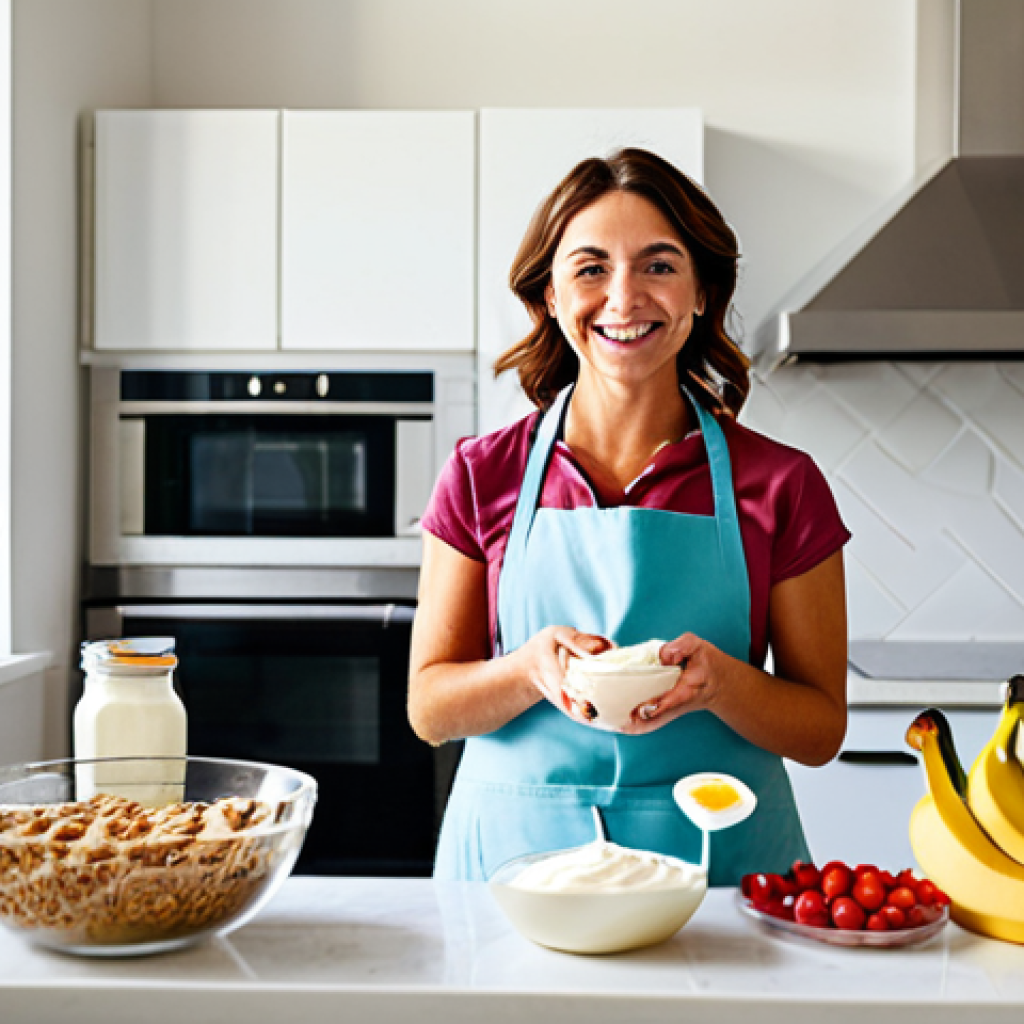
I’m talking about swapping heavy cream for Greek yogurt, using applesauce instead of oil, and embracing the natural sweetness of fruit. My personal favorite swap?
Using mashed banana in place of butter in muffins! The result is a moist, naturally sweet treat that satisfies my cravings without the added guilt. You’d be surprised how many traditional recipes can be adapted with a few simple tweaks.
Don’t be afraid to experiment – that’s where the magic happens.
The Magic of Greek Yogurt
Greek yogurt is a total game-changer when it comes to light desserts. I’ve used it in everything from cheesecakes to parfaits, and it adds a creamy tang that’s surprisingly addictive.
What’s even better is you get a boost of protein with every bite! I usually grab a big container of plain, non-fat Greek yogurt and use it as a base for all sorts of creations.
Fruit: Nature’s Candy
Don’t underestimate the power of fruit! I’m obsessed with grilling peaches and topping them with a dollop of whipped coconut cream. Another great option is blending frozen bananas into a “nice cream” – it has the same texture as ice cream but with way less sugar and fat.
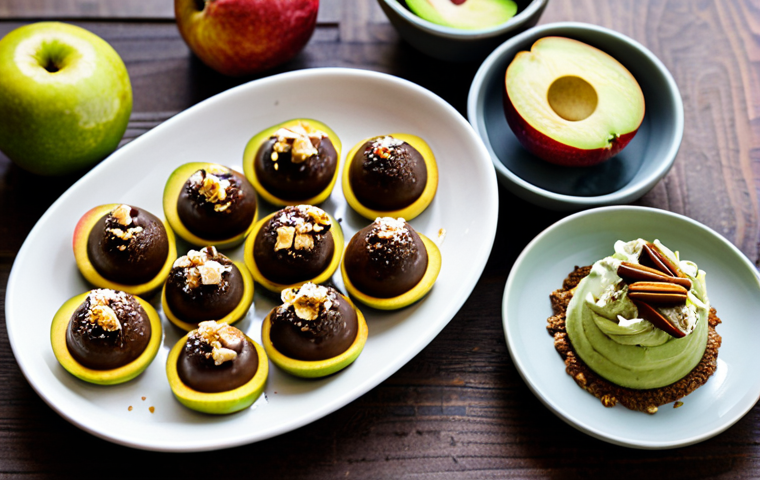
My cousin swears by baked apples sprinkled with cinnamon and a drizzle of maple syrup.
The Unexpected Power of Spices
Spices are your secret weapon in the fight against sugar cravings. Cinnamon, nutmeg, and ginger can add warmth and complexity to desserts, making them feel more indulgent than they actually are.
I always add a dash of cinnamon to my oatmeal in the morning and it transforms it into something special. For a decadent chocolate dessert, try adding a pinch of cayenne pepper – it enhances the flavor and gives it a subtle kick.
The Science of Sweeteners: Navigating the Options
The world of alternative sweeteners can be a bit confusing, but understanding your options can make a big difference in reducing calorie intake. From natural options like stevia and monk fruit to sugar alcohols like erythritol and xylitol, there’s a sweetener out there for every taste and baking need.
I’ve tried so many different sweeteners over the years, and I’ve definitely found some that I prefer over others. It’s all about experimenting and finding what works best for your taste buds and your body.
Just remember to do your research and be mindful of potential side effects. Some sugar alcohols, for instance, can cause digestive issues in some people.
Demystifying Stevia and Monk Fruit
Stevia and monk fruit are two popular natural sweeteners that have gained a lot of traction in recent years. I personally love using stevia in my morning coffee, and monk fruit is fantastic for baking because it doesn’t have that bitter aftertaste that some people experience with stevia.
Exploring Sugar Alcohols: Erythritol and Xylitol
Erythritol and xylitol are sugar alcohols that are often used in low-calorie baking. They have a similar texture to sugar, but they contain significantly fewer calories.
It’s important to note that xylitol is toxic to dogs, so if you have a furry friend, it’s best to avoid it altogether. Erythritol is generally considered to be safe for humans, but some people may experience digestive issues if they consume too much of it.
A Word of Caution: Artificial Sweeteners
Artificial sweeteners like aspartame and sucralose have been around for decades, but they are still controversial. While they are technically calorie-free, some studies have suggested that they may have negative effects on gut health and metabolism.
I personally try to avoid artificial sweeteners as much as possible, but everyone has to make their own informed decisions.
Guilt-Free Indulgence: Recipes to Satisfy Your Cravings
Let’s get to the good stuff – the recipes! I’ve curated a collection of my favorite low-calorie dessert recipes that are guaranteed to satisfy your sweet tooth without derailing your healthy eating habits.
These are recipes that I make all the time, and they always hit the spot. From creamy chocolate avocado mousse to baked cinnamon apples, there’s something for everyone in this list.
And the best part is, they’re all surprisingly easy to make!
Creamy Chocolate Avocado Mousse
Okay, I know what you’re thinking – avocado in dessert? Trust me on this one! The avocado adds a creamy texture and healthy fats, while the cocoa powder and sweetener provide the chocolatey goodness.
My friend Sarah was skeptical at first, but now she’s completely addicted.
Baked Cinnamon Apples
This is the perfect dessert for a cozy night in. The apples become soft and caramelized, and the cinnamon adds a warm, comforting flavor. I usually top mine with a dollop of Greek yogurt or whipped coconut cream for extra indulgence.
My grandmother used to make this for me all the time when I was a kid.
No-Bake Energy Bites
These little bites are packed with protein and fiber, making them the perfect snack or dessert. I usually make a big batch on Sunday and keep them in the fridge for the week.
The Art of Portion Control: Savoring Every Bite
Even healthy desserts can contribute to weight gain if you overdo it. I’ve learned that portion control is key to enjoying treats without feeling guilty.
It’s all about being mindful of your portions and savoring every bite. I like to use smaller plates and bowls when I’m eating dessert, and I always try to eat slowly and deliberately.
I also find that it helps to avoid eating dessert in front of the TV or while scrolling through my phone. When you’re fully present, you’re more likely to enjoy your dessert and feel satisfied with a smaller portion.
The Power of Mindful Eating
Mindful eating is a game-changer when it comes to portion control. It’s about paying attention to your hunger cues, savoring each bite, and eating slowly and deliberately.
I’ve found that when I eat mindfully, I’m much more likely to feel satisfied with a smaller portion.
The Plate Trick: Using Smaller Dishes

Using smaller plates and bowls can trick your brain into thinking you’re eating more than you actually are. It’s a simple but effective way to control your portions without feeling deprived.
Pre-Portioning for Success
Pre-portioning your desserts can help you avoid overeating. I like to divide my desserts into individual servings and store them in the fridge or freezer.
That way, I’m less tempted to grab a second helping.
The Role of Exercise: Balancing Indulgence with Activity
I firmly believe that you can enjoy your favorite desserts without feeling guilty, as long as you balance them with regular exercise. It’s all about finding a routine that you enjoy and that fits into your lifestyle.
I personally love running, but I also enjoy yoga, hiking, and dancing. The key is to find something that you look forward to doing, so that it doesn’t feel like a chore.
I usually aim for at least 30 minutes of exercise most days of the week.
Finding Your Fitness Groove
The key to sticking with an exercise routine is to find something that you enjoy. Don’t force yourself to do something that you hate, because you’re more likely to give up.
Experiment with different activities until you find something that makes you feel good.
Making Exercise a Habit
Making exercise a habit is essential for long-term success. I like to schedule my workouts in my calendar, just like I would any other important appointment.
I also find that it helps to have an accountability partner – someone who will encourage you and keep you on track.
Small Changes, Big Impact
Even small changes in your daily routine can make a big difference in your overall fitness. Take the stairs instead of the elevator, walk or bike to work instead of driving, and try to stand up and move around every hour.
Low-Calorie Dessert Ingredient Comparison
Here’s a quick comparison table to highlight some common ingredient swaps for lower-calorie desserts:
| Ingredient | Lower Calorie Alternative | Calorie Difference (per serving) | Notes |
|---|---|---|---|
| Sugar | Stevia/Monk Fruit | ~40-50 calories | Adjust sweetness to taste. |
| Butter | Unsweetened Applesauce | ~100 calories | Use 1:1 replacement; may slightly alter texture. |
| Heavy Cream | Greek Yogurt (Non-Fat) | ~200 calories | Adds protein and tangy flavor. |
| Oil | Mashed Banana | ~80 calories | Adds moisture and natural sweetness. |
| Whole Milk | Almond Milk (Unsweetened) | ~50 calories | Lighter and lower in fat. |
The Future of Low-Calorie Desserts: Innovation and AI
I’m incredibly excited about the future of low-calorie desserts! I see so much innovation happening in this space, from new ingredients to creative flavor combinations.
I’m also fascinated by the potential of AI to help us create even healthier and more delicious desserts. Imagine an AI that can analyze your dietary needs and preferences and then generate a personalized dessert recipe that’s perfectly tailored to you!
Exploring Novel Ingredients
I’m seeing a lot of interesting ingredients popping up in low-calorie desserts, like konjac flour, which is a great source of fiber and can be used to create a variety of textures.
AI-Powered Dessert Creation
The potential of AI in the food industry is mind-blowing. I can envision AI algorithms analyzing data on taste preferences, nutritional needs, and ingredient availability to generate customized dessert recipes.
The Rise of Personalized Nutrition
Personalized nutrition is the future! It’s all about tailoring your diet to your individual needs and preferences. I see low-calorie desserts becoming even more personalized in the years to come, with recipes that are specifically designed to meet your unique dietary requirements.
Wrapping Up
So, there you have it! My guide to guilt-free dessert indulgence. Remember, it’s all about balance, smart substitutions, and savoring every bite. I hope this inspires you to get creative in the kitchen and discover your own deliciously light dessert swaps. Here’s to a sweet life, without the sugar overload!
Experiment, adjust to your preferences, and most of all, enjoy the process of creating healthier and equally satisfying treats. With a little creativity, you can have your cake and eat it too – guilt-free!
Handy Tips & Tricks
Here are a few extra tips to keep in mind when making low-calorie desserts:
1. Read labels carefully: Pay attention to the nutrition information on ingredient labels, especially sugar content and serving sizes.
2. Invest in quality ingredients: Using high-quality ingredients can make a big difference in the flavor and texture of your desserts.
3. Don’t be afraid to experiment: The best way to find your favorite low-calorie desserts is to experiment with different recipes and ingredients.
4. Plan ahead: Plan your dessert indulgences ahead of time, so you’re less likely to make impulsive choices.
5. Share with friends: Sharing your low-calorie desserts with friends and family can help you control your portions and enjoy them in moderation. I always bring a healthy dessert option to potlucks!
Key Takeaways
Here’s a quick recap of the key points we covered:
•\tSmart Swaps: Trading high-calorie ingredients for lighter alternatives can significantly reduce the calorie count of your desserts.
•\tMindful Eating: Paying attention to your hunger cues and savoring each bite can help you control your portions and feel more satisfied.
•\tBalanced Lifestyle: Combining healthy eating habits with regular exercise is the key to enjoying your favorite desserts without feeling guilty.
•\tThe Future is Bright: The world of low-calorie desserts is constantly evolving, with new ingredients and innovations on the horizon.
•\tEnjoy the Journey: Creating healthy and delicious desserts is a journey, not a destination. Embrace the process and have fun experimenting!
Frequently Asked Questions (FAQ) 📖
Q: Okay, I’m intrigued, but are these low-calorie desserts actually tasty?
A: lot of diet food I’ve tried in the past tasted, well, like diet food. A1: I totally get your skepticism! That’s the biggest hurdle, right?
Luckily, things have changed a lot since the days of sad, flavorless rice cakes. Think about it – we now have access to things like monk fruit and stevia, which are natural sweeteners that pack a sweet punch without the calorie bomb.
And the creativity! I was blown away by a recipe I tried recently for chocolate avocado mousse – seriously, avocado! It sounds weird, but the healthy fats make it super rich and decadent, and you barely taste the avocado.
Plus, a lot of recipes focus on using whole, unprocessed ingredients to maximize flavor while keeping calories down. It’s all about smart swaps and creative techniques.
You might be surprised!
Q: So, I’m thinking about my evening sweet cravings. What are some super easy, almost no-effort low-calorie dessert ideas I can whip up quickly? I’m talking “I’m about to raid the pantry” level cravings.
A: Been there! When that late-night sweet craving hits hard, I’ve got you covered. My go-to is grilled pineapple with a sprinkle of cinnamon.
Seriously, the grilling caramelizes the natural sugars and makes it taste like a warm, tropical treat. Another lifesaver is a simple Greek yogurt parfait.
Use plain nonfat Greek yogurt (it’s packed with protein to keep you full), add a handful of berries, and maybe a drizzle of sugar-free maple syrup or a few chocolate chips.
If you’re feeling adventurous, even just a square or two of dark chocolate (70% cacao or higher) can do the trick. The key is to satisfy that craving with something relatively low in calories and high in nutrients.
I promise, it works!
Q: This all sounds great, but I’m worried about artificial sweeteners.
A: re they really a better option than just having a smaller portion of regular sugar? A3: That’s a valid concern! Artificial sweeteners can be a bit of a gray area, and honestly, it’s a personal choice.
I’ve definitely gone down the research rabbit hole on this one. Some studies show potential downsides, while others suggest they’re safe in moderation.
What I’ve found works best for me is to focus on natural sweeteners like stevia, monk fruit, and erythritol when I can. They tend to be better tolerated and don’t have the same potential side effects as some of the older artificial sweeteners.
But here’s the kicker: portion control is always important. If you’d rather have a smaller slice of regular cake and really savor it, that’s totally fine too!
The goal is to find a balance that works for your body and your taste buds, without feeling deprived or guilty. Maybe try both strategies and see what makes you feel best!
📚 References
Wikipedia Encyclopedia