
Ever walked into your kitchen, ready to whip up something delicious, only to realize you’re out of butter, or maybe you’re trying to cut back on dairy or just make healthier choices?
Trust me, I’ve been there! It feels like a small culinary crisis, right? But what if I told you that stepping away from traditional butter can actually open up a whole new world of flavors and textures in your cooking and baking?
In today’s food landscape, where health consciousness and dietary diversity are at the forefront, exploring butter alternatives isn’t just a trend—it’s a game-changer.
From achieving that perfect flaky crust without dairy to adding a unique richness to your sauces, the options are more exciting and versatile than ever before.
I’ve personally experimented with countless substitutes, and I’ve been amazed by how many fantastic ingredients can step in and even elevate my dishes.
Whether you’re vegan, lactose intolerant, calorie-counting, or just eager to experiment, there’s a butter swap out there waiting to become your new kitchen hero.
You might be surprised at how some seemingly simple changes can dramatically impact the nutritional profile and taste of your favorite recipes. We’re talking about everything from creamy avocado to rich olive oil and clever plant-based spreads that mimic butter’s texture almost perfectly.
Let’s dive into the details below to uncover all the secrets and find your new go-to butter alternative!
Discovering the World of Wholesome Spreads and Oils
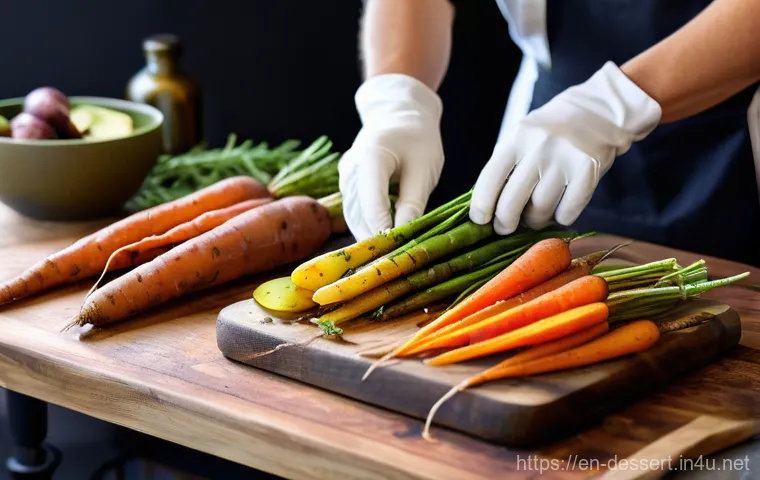
Stepping into the kitchen these days, I often find myself reaching for something other than traditional butter, not just for health reasons but for the incredible versatility and flavor alternatives bring. It’s truly a culinary adventure! Many years ago, when I first started experimenting with dairy-free options for a friend with allergies, I was a bit skeptical. Could anything really replicate that rich, creamy goodness? Fast forward to today, and I’ve found a whole pantry full of fantastic substitutes that not only do the job but often elevate the dish in unexpected ways. It’s like discovering a secret ingredient that’s been hiding in plain sight. From achieving that perfect flaky crust in a pie to adding a delicate richness to my sautéed vegetables, the right alternative can make all the difference. I’ve noticed a significant shift in my own cooking, embracing these alternatives has broadened my culinary horizons and made my meals feel more vibrant and diverse. Plus, it feels great knowing I’m often making a healthier choice without compromising on taste. If you’re looking to shake things up, or simply need a reliable dairy-free option, this is where your journey truly begins. You’ll be amazed at how easily these swaps fit into your everyday cooking.
Unpacking the Magic of Plant-Based Butters
When it comes to direct butter replacements, plant-based butters have come leaps and bounds. I remember the early versions, which often left a somewhat artificial aftertaste or didn’t quite behave right in baking. But now? Wow! Brands like Miyoko’s Kitchen and Earth Balance have truly perfected their recipes, offering products that churn out flaky pastries and creamy sauces just like their dairy counterparts. I’ve personally used these in everything from shortbread cookies to béchamel sauce, and the results have been consistently impressive. What I love most is their convenience; they’re designed to be a 1:1 swap in most recipes, making the transition seamless for even novice cooks. It’s like having a culinary safety net. If you’re a creature of habit and want to minimize changes while maximizing impact, a high-quality plant-based butter spread is definitely your go-to. It melts, browns, and creams just like dairy butter, making it an indispensable tool in my kitchen. The consistency and flavor profiles are so close now that my family often can’t tell the difference, which is the ultimate seal of approval in my book!
Exploring the Versatility of Coconut Oil
Oh, coconut oil, how do I love thee? Let me count the ways! This isn’t just for tropical dishes anymore, my friends. I’ve found coconut oil to be an incredibly versatile butter alternative, especially in baking and certain savory applications. For baking, especially for things like muffins, quick breads, or even pie crusts, solid coconut oil works beautifully. When it’s chilled, it mimics the texture of solid butter almost perfectly, helping to create those wonderful pockets of air and flakiness. The key is to use refined coconut oil if you want a neutral flavor, or unrefined if you’re aiming for that subtle, delightful coconut aroma in your dish. I once made a batch of vegan chocolate chip cookies using refined coconut oil, and they were so rich and perfectly textured, no one guessed they were dairy-free. For sautéing vegetables or stir-fries, a little bit of coconut oil adds a lovely sheen and a gentle depth of flavor without overpowering the other ingredients. It’s also fantastic for roasting root vegetables, giving them a slightly crisp exterior and a tender interior. Don’t be afraid to experiment with it; it might just become your new favorite secret ingredient!
Embracing the Liquid Gold: Olive Oil and Its Many Talents
When I first started looking for butter alternatives, my mind immediately went to oils. And honestly, olive oil was one of the first I truly embraced for its incredible flavor and health benefits. It’s not just for salad dressings anymore! For savory dishes, good quality extra virgin olive oil can replace butter in so many ways. Think about it: a drizzle over pasta, sautéing garlic and herbs, or even finishing a grilled piece of fish. The fruity, peppery notes of a robust olive oil can elevate a dish in a way butter simply can’t. I’ve personally found that using olive oil for sautéing vegetables like spinach or mushrooms not only imparts a beautiful flavor but also helps them cook evenly and tenderly. It’s also my secret weapon for making perfect mashed potatoes – just a generous glug instead of butter and a splash of unsweetened plant milk, and you’ve got creamy, dreamy spuds with a lovely depth of flavor. I even use it to brush on bread before toasting, giving it a crispier texture and richer taste. For me, it’s about embracing the Mediterranean way of cooking, where olive oil is king, and for good reason!
Swapping Butter for Oil in Your Favorite Recipes
The transition from butter to oil, particularly olive oil, in recipes is often smoother than you might think. A general rule of thumb I’ve adopted is to use about three-quarters the amount of oil for the butter called for in a recipe, especially when baking. This is because oils are 100% fat, while butter contains some water. For example, if a recipe calls for a cup of butter, I’ll typically use about three-quarters of a cup of olive oil. However, this adjustment isn’t always necessary for savory cooking where precision isn’t as critical. For quick breads or muffins, olive oil provides a wonderfully moist crumb and a tender texture. I’ve baked countless loaves of banana bread and zucchini muffins using olive oil, and they always turn out fantastic, often even better than with butter. The key is to consider the flavor profile of your oil; a light, fruity olive oil works best for baking, while a more robust one can be amazing in savory dishes like focaccia or roasted vegetables. It’s all about experimentation and getting a feel for how different oils interact with your ingredients. Don’t be afraid to play around; that’s where the real magic happens!
Beyond Olive Oil: Avocado Oil and Other Liquid Gems
While olive oil holds a special place in my heart, I’ve also found some other liquid fats to be incredible butter alternatives, especially avocado oil. If you haven’t tried avocado oil yet, you’re missing out! It has an incredibly high smoke point, which means it’s perfect for high-heat cooking like searing, stir-frying, and roasting without burning or creating off-flavors. Plus, it has a wonderfully neutral flavor, so it won’t interfere with the taste of your delicate dishes. I use it constantly for pan-frying eggs or chicken, and it consistently delivers a beautifully even cook and a clean taste. Grapeseed oil is another excellent neutral option for baking and light sautéing. For a nuttier flavor, toasted sesame oil is brilliant in Asian-inspired dishes, though it’s usually used more as a flavoring agent than a direct butter replacement in terms of quantity. I even keep some walnut oil on hand for dressings or drizzling over roasted vegetables for a gourmet touch. The world of oils is vast and exciting, offering a spectrum of flavors and applications that can truly transform your cooking!
Creamy Wonders: Harnessing the Power of Whole Foods
Sometimes, the best butter alternatives aren’t found in a stick or a bottle, but in whole, unprocessed foods. This approach truly excites me because it’s all about natural goodness and often brings an extra nutritional punch to your meals. I’ve discovered that incorporating things like avocados, nut butters, and even certain pureed fruits can replicate the creaminess and richness of butter in surprising ways. For instance, have you ever tried mashing avocado into your toast instead of butter? It’s not only incredibly delicious but also packed with healthy fats and nutrients. I actually prefer it now for my morning toast! And when it comes to baking, ripe, mashed bananas or unsweetened applesauce can add moisture and sweetness, reducing the need for both butter and sugar. These whole food alternatives often introduce new, delightful flavors and textures that take a dish to a whole new level. It’s about being creative and thinking outside the traditional box, which is something I absolutely love about cooking. It feels more wholesome and satisfying, knowing exactly what’s going into my food.
Avocado: Your Green, Creamy Champion
Oh, avocados! They’re not just for guacamole anymore, my friends. This creamy, healthy fruit is a powerhouse butter alternative, especially for adding moisture and richness. For sandwiches and toast, simply mashing a ripe avocado and spreading it on is a fantastic, nutrient-dense swap for butter. But here’s where it gets really interesting: baking! I’ve successfully used mashed avocado in recipes for brownies, muffins, and even chocolate cakes. It provides an incredible moistness and richness without adding any dairy. The key is to use ripe avocados that are soft enough to mash smoothly. You might find you need to slightly adjust the amount of other liquids in your recipe, but it’s a small price to pay for such a healthy and delicious substitute. I made avocado brownies once for a potluck, and everyone raved about how fudgy and moist they were; they had no idea my secret ingredient was a green fruit! It’s a brilliant way to sneak in some healthy fats and fiber while maintaining a luxurious texture in your baked goods.
Nut Butters and Purees: Texture and Flavor Boosters
When I’m looking for richness and a specific flavor profile, I often turn to nut butters or fruit purees. Almond butter, cashew butter, or even a good peanut butter can be excellent in certain contexts. For instance, in cookies or energy bites, a creamy nut butter can act as a binding agent and provide a wonderful depth of flavor, effectively replacing the fat component. I love making simple no-bake cookies with almond butter as the base, and they turn out incredibly satisfying. And let’s not forget applesauce or mashed banana! These are fantastic for adding moisture and natural sweetness to baked goods like muffins, pancakes, and quick breads, allowing you to reduce not only butter but also sugar. A small amount of unsweetened applesauce can replace some of the butter in a cake recipe, leading to a lighter, yet still moist, result. It’s all about playing with ratios and understanding how these ingredients contribute to the overall texture and flavor. Don’t be afraid to experiment; you might just create your new signature dish!
Baking Breakthroughs: Dairy-Free Secrets for Sweet Success
Baking without traditional butter used to feel like a daunting task, a tightrope walk between achieving that perfect texture and ending up with a dry, crumbly mess. Believe me, I’ve had my share of baking failures in the early days of my dairy-free journey! But over time, through countless experiments and a few happy accidents, I’ve unlocked some truly fantastic secrets for sweet success. It’s not just about swapping ingredients; it’s about understanding how different fats behave and how to coax the best out of them. Whether you’re whipping up a batch of chewy cookies, a decadent cake, or a flaky pie crust, there’s a butter alternative that will not only work but often enhance your final product. I’ve learned that patience and a willingness to adjust are your best friends in dairy-free baking. Sometimes it’s about slightly chilling your dough more, or using specific types of plant milks to achieve that desired richness. The results are always worth it though, especially when you bite into a perfect pastry knowing it’s made with wholesome, plant-based ingredients. It’s a game-changer for anyone with dietary restrictions or simply looking for healthier options.
Crafting Flaky Crusts and Tender Cakes
The quest for the perfect flaky pie crust without dairy can feel like finding a unicorn, but I promise you, it’s totally achievable! My secret weapon here is usually a combination of solid, chilled plant-based butter (like Miyoko’s or Earth Balance sticks) and sometimes a little bit of refined coconut oil. The key is to keep your fats very cold and work quickly, just as you would with traditional butter. This helps create those distinct layers that make a crust so irresistible. For cakes and cupcakes, the method often depends on the type of cake. For a richer, denser cake, I love using a good quality plant-based butter creamed with sugar. For lighter, airier cakes, a neutral-flavored oil like avocado or grapeseed oil can provide incredible moisture without weighing down the batter. I once made a lemon poppy seed cake using avocado oil, and it was so moist and tender, it quickly became a family favorite. The texture was absolutely perfect, and the lemon flavor really shone through. It’s about experimenting with what works best for each specific recipe and being mindful of the fat’s characteristics.
My Go-To for Chewy Cookies and Rich Brownies
When it comes to cookies and brownies, the texture is everything, right? For chewy cookies that spread just enough and have that delightful crisp edge, I almost exclusively reach for a stick of plant-based butter. Creaming it with sugar just like regular butter yields fantastic results every time. I’ve noticed that some liquid oils can make cookies too cake-like, so a solid fat is definitely preferred for that classic cookie texture. For brownies, especially fudgy ones, a good quality refined coconut oil or a melted plant-based butter works wonders. The key with brownies is to ensure enough fat is incorporated to give them that decadent, moist, and dense texture we all crave. I once tried making brownies with applesauce as the sole fat, and while they were healthy, they definitely lacked the luxurious fudginess. So, for a truly indulgent experience, don’t skimp on the right fat alternative. My personal trick for fudgy brownies is to slightly underbake them, no matter the butter alternative, to keep them super moist in the center. It’s a little risky, but the reward is oh-so-worth it!
Savory Staples: Elevating Your Everyday Meals
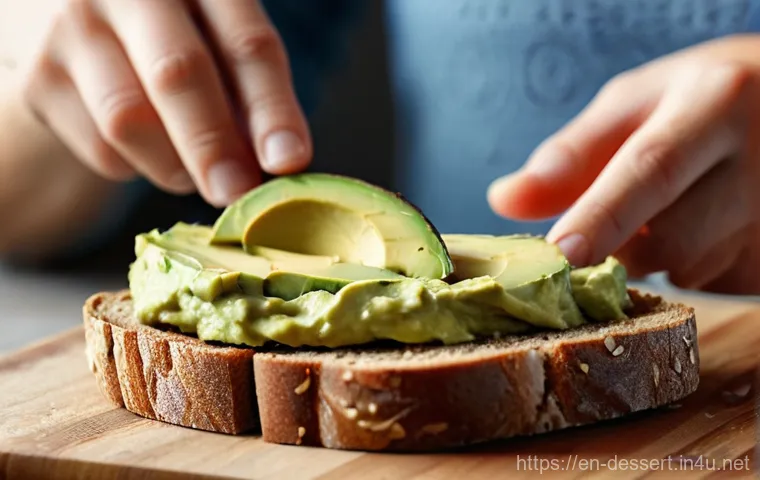
When it comes to savory cooking, the shift from butter to alternatives feels even more liberating for me. It’s not just about health; it’s about opening up a whole new pantry of flavors and textures that can truly transform everyday meals. Think about the humble sautéed vegetable. Swapping butter for a fragrant olive oil or a neutral avocado oil instantly changes the flavor profile, often for the better. I’ve found that many butter alternatives lend themselves beautifully to enhancing the natural flavors of ingredients rather than just coating them. It’s about creating depth and nuance. From roasting potatoes to searing tofu, the right fat choice can make your dishes shine. I personally love how a good quality olive oil can bring out the sweetness in roasted carrots or bell peppers, while a dollop of plant-based butter can finish a creamy soup with just the right amount of richness. It’s about being mindful of the flavor you want to achieve and selecting an alternative that complements it perfectly. The possibilities are truly endless, and it’s a wonderful way to introduce variety into your cooking without sacrificing flavor or satisfaction.
Sautéing and Roasting with a Twist
For everyday sautéing, I often rotate between olive oil, avocado oil, and sometimes even a bit of refined coconut oil, depending on the dish. Olive oil is my go-to for anything Mediterranean-inspired, like sautéing spinach with garlic or cooking down tomatoes for a sauce. Its robust flavor adds so much character. For roasting vegetables, especially at higher temperatures, avocado oil is my absolute favorite due to its high smoke point and neutral flavor. It ensures my veggies get beautifully caramelized and tender without any unwanted bitterness. I’ve found that using it for roasted potatoes or Brussels sprouts gives them a lovely crisp exterior that’s hard to beat. If I’m looking for a slightly richer finish, a dab of plant-based butter at the end of sautéing can melt into a sauce or vegetables, adding that familiar creamy touch. It’s all about selecting the right tool for the job. Experiment with different oils for different vegetables and cooking methods; you’ll quickly discover your own preferred pairings that elevate your everyday cooking game.
Finishing Touches: Richness Without the Dairy
Sometimes, it’s those final touches that make all the difference, and thankfully, you can achieve that luxurious richness without any dairy. For finishing soups or sauces, a swirl of extra virgin olive oil can add a beautiful sheen and a peppery kick. I also love to whisk in a spoonful of creamy cashew butter or even a plant-based cream cheese into a sauce to give it a velvety texture and a touch of tang. For mashed potatoes, a generous amount of warm unsweetened plant milk combined with a good drizzle of olive oil or a dollop of plant-based butter creates an incredibly smooth and flavorful dish. I’ve even used a blend of silken tofu and nutritional yeast to create a cheesy, creamy sauce for pasta that’s absolutely divine. The trick is to think about the mouthfeel and flavor you’re trying to achieve. Do you want something tangy? Creamy? Rich? There’s a plant-based ingredient out there that can deliver. Don’t be afraid to get creative; your taste buds will thank you for the adventure!
Understanding the Labels: Navigating the Butter Alternative Aisle
Walking down the butter aisle these days can feel a bit overwhelming, right? There are so many options beyond just “butter” now, and the sheer variety of butter alternatives on the shelves can be a lot to take in. I’ve spent countless hours scrutinizing labels, trying to understand what makes one product different from another, and figuring out which ones truly deliver on their promises. It’s not just about finding something that’s dairy-free; it’s about understanding the ingredients, the nutritional profile, and how each alternative will actually perform in your cooking and baking. For instance, some plant-based butters are made with coconut oil, others with palm oil, and some with a blend of different vegetable oils. Each of these base ingredients will subtly influence the flavor and texture of your finished dish. Trust me, a little bit of label literacy goes a long way in making informed choices and avoiding disappointment. You want to pick an alternative that aligns with your dietary needs, your cooking goals, and your taste preferences. Let’s break down what to look for so you can confidently choose your next kitchen hero!
Key Ingredients and Nutritional Values to Watch For
When you’re perusing the butter alternative section, don’t just grab the first attractive package. Take a moment to read the ingredients list. Look for alternatives made with quality fats like olive oil, avocado oil, or coconut oil. Some brands use a blend of vegetable oils, and it’s worth checking if they’re hydrogenated or partially hydrogenated, as these contain trans fats, which are generally best to avoid. I always check for added sugars or excessive sodium, especially in savory spreads. Also, consider the overall nutritional profile: are you looking for healthy monounsaturated fats? Or perhaps something with less saturated fat? For baking, I often prioritize a product that mimics butter’s fat content (around 80%) to ensure it behaves similarly in recipes. For spreads, I might lean towards something lighter. Understanding these nuances can make a huge difference in both the healthfulness and the success of your dishes. It’s a small investment of time at the grocery store that pays off big in the kitchen!
Decoding Best Uses for Different Alternatives
Each butter alternative has its own superpower, and knowing what it is can save you a lot of kitchen frustration. For instance, solid plant-based butter sticks are almost always your best bet for baking, especially for recipes where butter’s structure is crucial, like flaky pastries or cookies. Liquid oils, on the other hand, shine in sautéing, roasting, and making dressings. Olive oil brings its distinct flavor, making it perfect for Mediterranean-inspired dishes, while neutral avocado or grapeseed oil are ideal when you want the other ingredients to truly sing. Creamier alternatives like mashed avocado or nut butters are fantastic for adding moisture and richness to whole-food applications or certain baked goods, but they might not work as a direct 1:1 swap in all recipes due to their different water content. I’ve created a handy table below to help you quickly identify some common alternatives and their ideal applications. This little guide has been my secret weapon for years, helping me quickly grab the right alternative for whatever I’m cooking!
| Butter Alternative | Best For | Key Characteristics |
|---|---|---|
| Plant-Based Butter Sticks | Baking (cakes, cookies, pie crusts), sautéing, spreading on toast | Closest 1:1 substitute for dairy butter, melts and browns well, often made from a blend of oils (e.g., coconut, palm, soy). |
| Olive Oil (Extra Virgin) | Sautéing vegetables, dressings, finishing dishes, savory baking (e.g., focaccia) | Fruity, sometimes peppery flavor; rich in monounsaturated fats; lower smoke point than refined oils. |
| Coconut Oil (Refined) | Baking (muffins, cookies), high-heat sautéing, roasting | Neutral flavor (refined), solid at room temp, high smoke point, provides richness and moisture. |
| Avocado Oil | High-heat cooking (searing, roasting, stir-frying), dressings, light baking | Very neutral flavor, exceptionally high smoke point, rich in monounsaturated fats. |
| Mashed Avocado | Spreads (toast, sandwiches), moistness in brownies/muffins (replaces some fat/liquid) | Creamy texture, adds healthy fats and nutrients, distinct avocado flavor (use when complementary). |
| Nut Butters (e.g., Almond, Cashew) | No-bake desserts, energy bites, adding richness/binding to certain cookies, sauces | Rich flavor, creamy texture, provides protein and healthy fats, can be a binder. |
My Personal Journey: Finding the Perfect Alternative for Every Dish
Reflecting on my own culinary adventures, the journey to embracing butter alternatives has been incredibly rewarding. It wasn’t an overnight switch; it was a gradual exploration, filled with trial and error, and a lot of tasting! But through it all, I’ve developed a deep appreciation for the incredible variety and versatility that these substitutes bring to the table. What I’ve realized is that there isn’t a single “best” butter alternative; instead, it’s about having a repertoire of options and knowing which one will truly shine in a particular dish. For instance, I wouldn’t dream of making a flaky pie crust without a solid, high-quality plant-based butter, but for sautéing vegetables, a vibrant olive oil is my absolute preference. It’s like having a well-stocked artist’s palette, with each color serving a unique purpose. This approach has not only made my cooking healthier and more inclusive but also far more exciting and creative. It’s truly transformed how I think about fats in my kitchen.
Trial and Error: My Kitchen Experiments and Learnings
I’m not going to lie, my early days of swapping butter for alternatives had their fair share of mishaps. I vividly remember trying to make a butter-free buttercream frosting with just coconut oil, only to have it seize up into a greasy mess! It was a learning curve, for sure. But these “failures” were actually invaluable lessons. They taught me about the different properties of fats: how some emulsify beautifully, how others solidify at different temperatures, and how subtle flavor notes can impact an entire dish. I’ve learned that for baking, sometimes a blend of alternatives works best – perhaps a plant-based butter for structure and a touch of applesauce for moisture. For savory dishes, I experimented with different oils, discovering which ones could withstand high heat and which were better for a gentle sauté. It’s all about getting a feel for the ingredients and understanding their strengths. Don’t be discouraged by an occasional flop; every chef, professional or home cook, has them! Each attempt brings you closer to mastering these amazing ingredients.
Building Your Alternative Arsenal: My Top Recommendations
If you’re just starting out on your butter alternative journey, I’d suggest beginning with a few key staples. First, invest in a good quality stick of plant-based butter – brands like Miyoko’s Kitchen or Earth Balance are fantastic for 1:1 swaps in baking and general cooking. Second, get yourself a versatile, neutral-flavored oil like avocado oil, which is brilliant for high-heat cooking and baking where you don’t want any added flavor. Third, don’t underestimate the power of a good extra virgin olive oil for savory dishes, dressings, and finishing. Finally, keep some refined coconut oil on hand for baking, especially when you want that solid fat texture without a dairy component. As you get more comfortable, you can start exploring things like nut butters for richness and fruit purees for moisture. Building this “alternative arsenal” in your pantry will empower you to tackle almost any recipe with confidence. It’s about having a range of options that cater to different needs and flavor profiles, making your cooking journey both flexible and incredibly delicious. Happy cooking!
Wrapping Things Up
Well, my dear fellow food adventurers, we’ve journeyed through the wonderful world of butter alternatives, uncovering their secrets and savoring their possibilities. What started as a necessity for many has blossomed into a vibrant culinary movement, bringing diverse flavors and incredible health benefits to our tables. I truly hope that sharing my own experiences and discoveries has inspired you to explore these fantastic options in your own kitchen. Remember, cooking is all about joy, creativity, and finding what truly nourishes you, both body and soul. Don’t be afraid to experiment; that’s where the real magic happens, and believe me, your taste buds are in for a delightful ride!
Good to Know Info
1. High Smoke Point Oils are Your Friends for Frying: When searing or frying, reach for avocado or refined coconut oil. Their high smoke points prevent burning and keep your food tasting fresh.
2. Chilled Plant Butter for Flaky Pastries: For anything that needs a flaky texture, like pie crusts or biscuits, always use very cold, solid plant-based butter sticks. This is key for those beautiful layers!
3. Flavor Match Your Oils: Olive oil adds a distinct flavor, perfect for savory Italian or Mediterranean dishes. For delicate flavors or baking, opt for neutral oils like grapeseed or light olive oil.
4. Avocado for Moisture in Baking: Mashed avocado can add incredible moisture and healthy fats to baked goods like brownies and muffins. It’s a fantastic way to sneak in some goodness!
5. Read Labels Carefully: Always check ingredient lists for hydrogenated oils (trans fats) or excessive sugars and sodium. A little label literacy goes a long way in making healthy choices.
Key Takeaways
So, if there’s one thing I want you to remember from our chat today, it’s this: the world of butter alternatives is vast, exciting, and incredibly empowering. You don’t have to sacrifice flavor or texture when making healthier choices or accommodating dietary needs. We’ve seen how everything from versatile plant-based butters to liquid gold olive oil and even whole foods like avocados can transform your dishes. My personal journey has shown me that embracing these alternatives isn’t just about what you remove from your diet; it’s about what you *gain* – new flavors, new textures, and a whole new level of culinary creativity. By understanding the unique properties of each alternative and experimenting with an open mind, you’ll not only elevate your cooking but also nourish your body in truly delicious ways. It’s an adventure worth taking, and one that promises incredible rewards in every bite. Keep exploring, keep creating, and most importantly, keep enjoying every moment in your kitchen!
Frequently Asked Questions (FAQ) 📖
Q: What are the absolute best all-around butter alternatives I should keep in my pantry for both cooking and baking?
A: Oh, this is a question I get all the time! After years of trying everything under the sun, I’ve definitely got my go-to staples. For a truly versatile option that shines in savory cooking and even some baking (think moist cakes or quick breads), good quality olive oil is a winner.
I always have a big bottle on hand for sautéing veggies, dressing salads, and yes, even in my brownies sometimes for an unexpected depth of flavor! If you’re looking for something that behaves more like solid butter, especially for baking or vegan recipes, refined coconut oil is a superstar.
It’s solid at room temperature, has a neutral flavor (unlike unrefined coconut oil, which has a distinct coconut taste), and works beautifully in pie crusts or cookies.
And honestly, for a near one-to-one swap in almost any recipe, those plant-based butter sticks have become my absolute lifesaver. They’re specifically formulated to act just like dairy butter, making them foolproof for everything from toast to flaky pastries.
Q: Will using these butter alternatives drastically change the taste or texture of my favorite recipes?
A: That’s a totally valid concern, and it’s something I worried about a lot when I first started experimenting! The short answer is: it can change things, but usually not drastically, and often in a really interesting, delicious way.
For example, using olive oil in a savory dish will obviously lend a different flavor profile than butter, but it can be incredibly delicious and fragrant.
In baking, if you swap butter for something like unsweetened applesauce, you’ll get a super moist result with fewer calories, but the texture might be a little denser than if you used fat.
My personal experience has taught me that refined coconut oil is incredibly neutral and often undetectable in baked goods, while a good plant-based butter will give you that familiar creaminess and flakiness you’re used to.
It’s all about understanding what each alternative brings to the table. Don’t be afraid to experiment, and you might just discover a new favorite version of your classic recipes!
Q: I have specific dietary needs – I’m vegan, or trying to reduce calories. Which alternatives are best for me?
A: This is where butter alternatives really shine because they open up so many possibilities! If you’re vegan or dairy-free, your best friends are definitely going to be those amazing plant-based butter sticks (often made from a blend of oils like coconut, avocado, or nut-based).
They perform incredibly well in everything from cooking to baking, making dairy-free living so much easier. Refined coconut oil is another excellent choice for vegan baking, especially when you need a solid fat.
For those of us keeping an eye on calories, you’ve got some clever options. In baking, unsweetened applesauce can be a fantastic way to replace some or all of the fat, especially in muffins, quick breads, or cakes where moisture is key.
I’ve personally found that I can swap half the butter for applesauce in my oatmeal cookies without anyone noticing the difference, and they’re still perfectly chewy!
Mashed bananas or pumpkin puree can also work wonders in similar recipes. For general cooking, focusing on healthy fats like olive oil or avocado oil in moderation, instead of heavier solid fats, is always a smart move for calorie management.