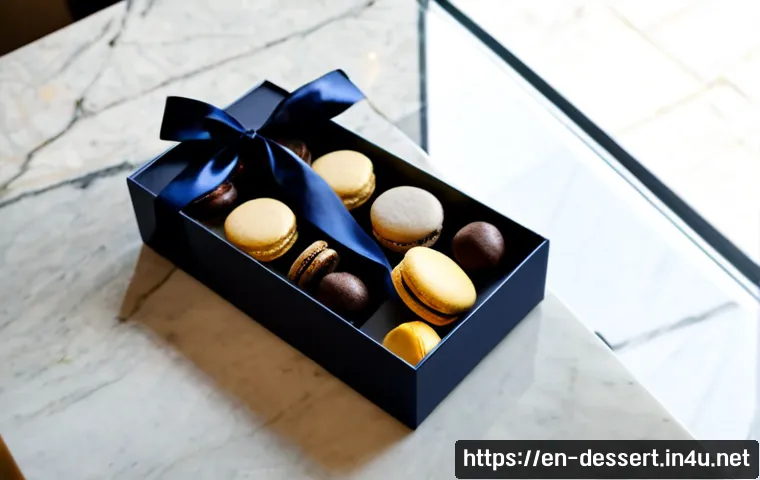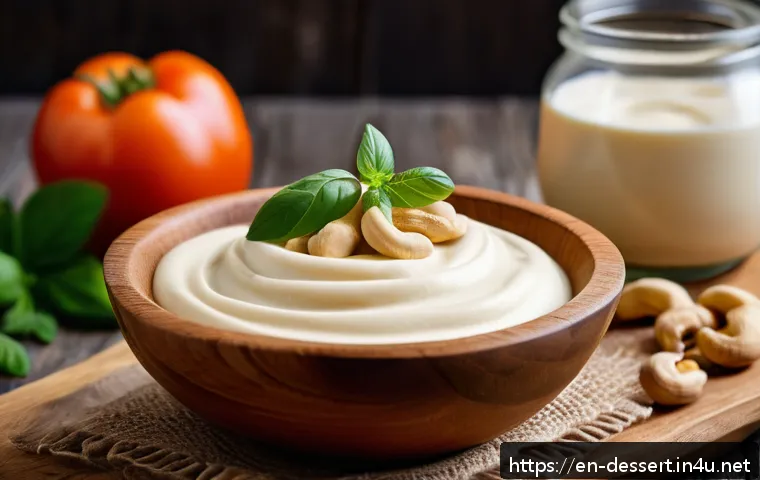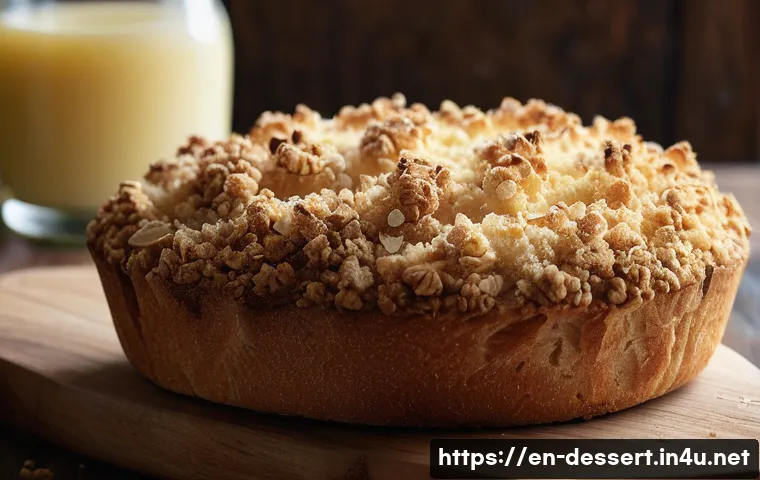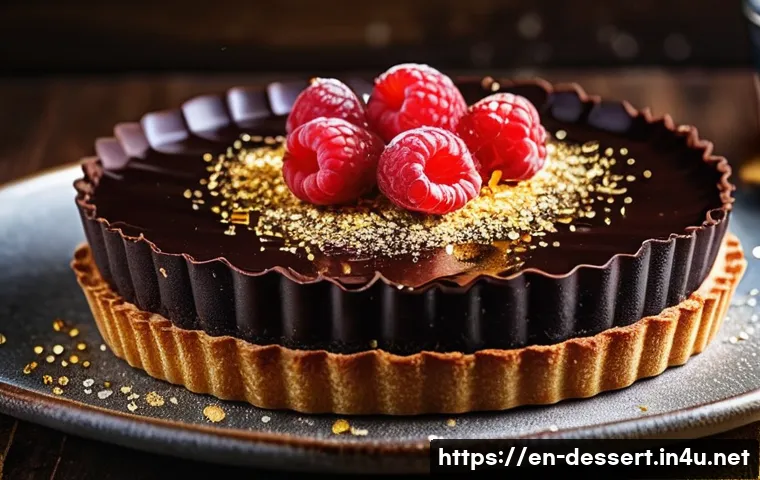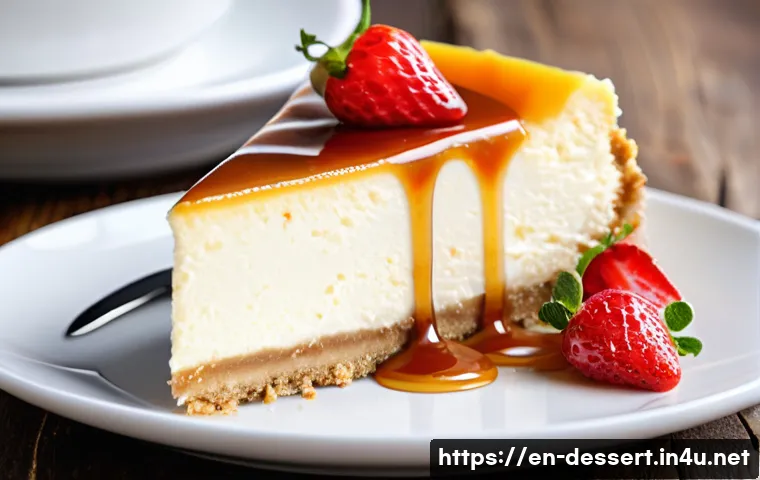
Desserts come in countless forms, each offering a unique taste experience that can satisfy any sweet tooth. From creamy cheesecakes to flaky pastries, the variety is endless and often reflects cultural influences and ingredient availability.
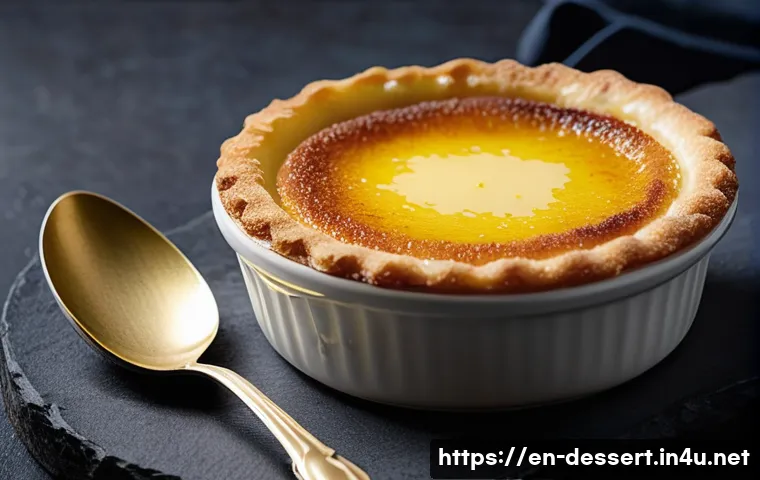
Exploring different dessert styles not only broadens your palate but also deepens your appreciation for culinary creativity. Whether you prefer rich chocolate or light fruit-based treats, understanding these styles can help you choose the perfect dessert for any occasion.
Let’s dive in and explore the delicious world of dessert styles in detail!
Decoding the Charm of Creamy and Custard-Based Desserts
What Makes Creamy Desserts So Irresistible?
Creamy desserts like cheesecakes, panna cotta, and mousse are beloved for their luscious textures that melt in your mouth. The magic lies in the rich dairy ingredients—cream, butter, and eggs—that create a silky smoothness hard to replicate.
I remember trying a classic New York cheesecake that was dense yet airy, leaving a velvety trail on my palate. The contrast between the rich filling and a crumbly crust often adds a delightful texture play, making each bite an experience.
Moreover, these desserts can be easily customized with fruits, chocolate, or caramel, enhancing their versatility.
Custards and Their Timeless Appeal
Custard-based desserts such as crème brûlée and flan showcase the delicate balance between sweetness and creaminess. What fascinates me is the gentle cooking process—slow baking or steaming—that results in a tender, custardy consistency without any graininess.
The caramelized sugar topping on crème brûlée adds a satisfying crunch that contrasts beautifully with the smooth custard beneath. These desserts often carry a subtle vanilla or citrus essence, elevating their flavor complexity.
From personal experience, serving custards chilled intensifies their refreshing quality, perfect for warm evenings.
How Ingredients Shape the Flavor Profile
The choice of dairy, eggs, and sweeteners significantly influences the taste and texture of creamy desserts. Full-fat cream offers richness, while lighter milk variants provide a gentler mouthfeel.
Eggs act as natural thickeners, lending structure and silkiness, but their freshness is crucial to avoid any off-flavors. Sweeteners like honey, maple syrup, or granulated sugar each impart distinct nuances that can transform a simple custard into a gourmet delight.
Exploring these ingredient combinations personally helped me appreciate the craftsmanship behind each recipe.
Exploring the Flaky World of Pastries and Tarts
Understanding the Art of Flaky Pastry
Flaky pastries such as croissants and puff pastry are a marvel of technique and patience. The process of laminating dough with layers of butter creates that signature flakiness that shatters delightfully with each bite.
I recall my first attempt at making croissants at home—countless folds and rests later, the result was a golden, buttery masterpiece that filled my kitchen with an irresistible aroma.
The contrast between the crisp exterior and tender interior makes these pastries a versatile base for both sweet and savory fillings.
The Allure of Tarts and Their Crisp Crusts
Tarts stand out with their firm yet crumbly crusts that provide a sturdy canvas for luscious fillings, from tangy lemon curd to rich chocolate ganache.
What I find intriguing is how the crust’s texture can vary based on fat type—whether butter or shortening—and the baking technique. A well-baked tart shell offers a satisfying snap that balances the softness of the filling.
In my experience, blind baking the crust before adding the filling prevents sogginess, ensuring every slice holds its shape perfectly.
Pairing Pastries with Complementary Flavors
The beauty of pastries lies in their adaptability to different flavor profiles. Sweet pastries are often enhanced with fresh fruits, nuts, or spices like cinnamon and cardamom, which add layers of complexity.
On the savory side, herbs, cheeses, and cured meats create indulgent combinations that delight the palate. I’ve enjoyed experimenting by pairing flaky pastry with unexpected ingredients like goat cheese and honey, discovering how contrasts between sweet and savory elevate the overall experience.
The Light and Refreshing World of Fruit-Based Desserts
Why Fruit-Based Desserts Are Perfect for Any Season
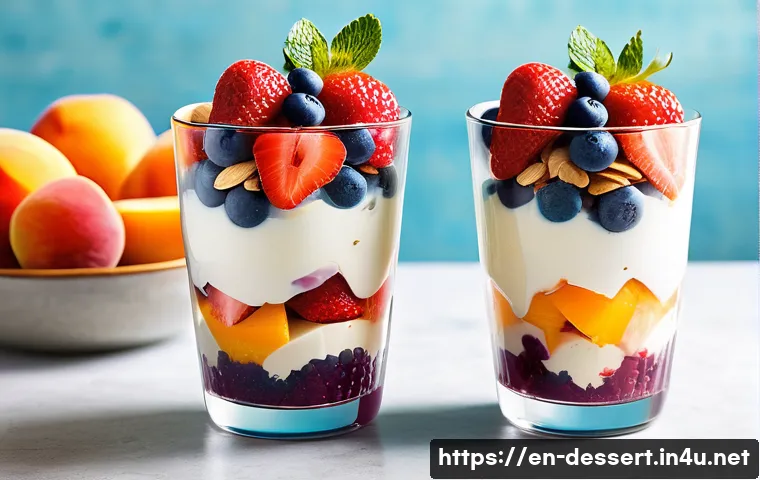
Fruit-based desserts like sorbets, fruit salads, and parfaits offer a refreshing alternative to richer sweets, especially during warmer months. Their natural sweetness and vibrant colors make them visually appealing and lighter on the palate.
I’ve found that using seasonal, ripe fruits amplifies flavor authenticity, whether it’s juicy berries in summer or spiced apples in fall. These desserts also provide a healthier option without sacrificing indulgence, which makes them a favorite among health-conscious friends.
Techniques That Enhance Fruit Flavors
Simple methods like macerating fruit with a splash of liqueur or a sprinkle of sugar can intensify sweetness and soften textures, creating a more luxurious mouthfeel.
Baking fruits in pies or crumbles releases their natural juices, blending beautifully with buttery toppings. In my kitchen, I often roast stone fruits like peaches or plums to bring out their caramelized notes, which pairs wonderfully with a dollop of vanilla ice cream or Greek yogurt.
These techniques elevate humble fruits into gourmet treats.
Balancing Sweetness and Acidity
The interplay between sweetness and acidity is key to crafting well-rounded fruit desserts. Too much sugar can overpower the natural fruit flavors, while insufficient sweetness might leave the dessert tasting tart or underwhelming.
Adding a pinch of salt or a hint of citrus zest can balance these elements, enhancing depth without masking freshness. From experience, tasting as you go and adjusting sugar levels based on fruit ripeness is the best way to achieve harmony in your final dish.
Indulgent Chocolate Creations and Their Endless Appeal
Understanding Different Types of Chocolate in Desserts
Chocolate desserts range from dense fudgy brownies to airy mousses, each showcasing different qualities of chocolate—from bitter dark to creamy milk and sweet white varieties.
I’ve noticed that using high-quality chocolate with a high cocoa percentage lends a richer, more complex flavor profile that elevates even simple recipes.
Melting and tempering chocolate correctly is an art that affects texture and shine, something I learned through trial and error in my own kitchen.
Techniques for Perfectly Balanced Chocolate Desserts
Achieving the ideal chocolate dessert requires attention to temperature and ingredient ratios. Overheating chocolate can cause it to seize, while too much sugar can mask its natural bitterness.
Incorporating complementary flavors like espresso, chili, or sea salt can deepen the taste experience. Personally, I love making flourless chocolate cakes that are dense yet moist, using espresso to enhance the chocolate notes subtly without overpowering them.
Pairing Chocolate With Other Ingredients
Chocolate pairs beautifully with a variety of ingredients including nuts, fruits, and spices. Toasted almonds or hazelnuts add crunch and a toasty aroma, while berries provide tartness that cuts through chocolate’s richness.
Spices like cinnamon and cardamom introduce warmth and complexity. One memorable dessert I tried combined dark chocolate ganache with fresh raspberries and a sprinkle of Maldon sea salt, resulting in a perfect harmony of flavors and textures.
Frozen Delights: Ice Creams, Sorbets, and Gelatos
Differences Between Ice Cream, Gelato, and Sorbet
Ice cream, gelato, and sorbet are all frozen treats but differ in ingredients and texture. Ice cream typically contains cream, milk, sugar, and egg yolks, churned at high speeds to incorporate air for a fluffy texture.
Gelato uses more milk and less cream, churned slower, resulting in a denser, silkier texture. Sorbet is dairy-free, made from pureed fruit and sugar, offering a crisp and refreshing bite.
I personally enjoy gelato for its intense flavor and creaminess, while sorbet is my go-to when I want something light and fruity.
Crafting Homemade Frozen Desserts
Making frozen desserts at home allows control over sweetness and flavors, plus the joy of experimenting with unique ingredients. I’ve had great success with adding fresh herbs like basil or mint to sorbets, which adds a surprising depth.
Using ripe seasonal fruits ensures vibrant colors and natural sweetness without needing excessive sugar. While having an ice cream maker helps, even simple methods like freezing mixtures and stirring periodically can yield satisfying results.
Serving and Pairing Frozen Treats
Presentation and pairing can transform frozen desserts from casual snacks to elegant treats. Serving gelato in a chilled bowl or atop a warm brownie creates a delightful temperature contrast.
Sorbets work wonderfully as palate cleansers between courses or as a light finish to a heavy meal. Adding toppings like toasted nuts, fresh fruit, or a drizzle of liqueur can enhance texture and flavor, making the dessert feel more decadent.
From my experience, these small touches make a big difference in guest impressions.
The Role of Cultural Influences in Dessert Styles
How Traditions Shape Ingredients and Techniques
Desserts often tell stories of their cultural origins through unique ingredients and preparation methods. For example, French pastries emphasize delicate lamination and butter richness, while Japanese sweets focus on subtle sweetness and seasonal ingredients like matcha or azuki beans.
I’ve found that exploring these traditions not only broadens my dessert repertoire but also deepens my respect for culinary artistry worldwide. Each culture’s approach reflects its history, climate, and available resources, making desserts an edible form of storytelling.
Fusion Desserts: Blending Styles for New Experiences
Fusion desserts combine elements from different culinary traditions to create innovative and exciting flavors. Think of a matcha tiramisu or churro doughnuts filled with dulce de leche.
I’ve enjoyed experimenting with fusion recipes in my kitchen, discovering how blending textures and flavor profiles from diverse backgrounds can surprise and delight.
This approach keeps desserts fresh and dynamic, appealing to adventurous palates seeking something beyond the ordinary.
Global Dessert Table: A Comparative Snapshot
| Dessert Type | Region | Key Ingredients | Unique Feature |
|---|---|---|---|
| Tiramisu | Italy | Mascarpone, coffee, cocoa, ladyfingers | Layered creamy coffee-soaked cake |
| Mochi | Japan | Glutinous rice, sweet bean paste | Chewy texture, subtle sweetness |
| Baklava | Middle East | Phyllo dough, nuts, honey | Flaky layers with sticky sweetness |
| Churros | Spain | Flour, sugar, cinnamon | Crispy fried dough with cinnamon sugar |
| Pastel de nata | Portugal | Egg custard, puff pastry | Rich custard with flaky crust |
In Conclusion
Exploring the diverse world of desserts—from creamy custards to flaky pastries and refreshing fruit treats—reveals how technique, ingredients, and cultural influences shape unforgettable flavors. Each dessert carries its own story and charm, inviting us to savor moments of indulgence and creativity. Whether you’re a seasoned baker or a curious taster, embracing these sweet delights enriches both your palate and your culinary journey.
Useful Tips to Keep in Mind
1. Always use fresh, high-quality ingredients to enhance the texture and flavor of your desserts.
2. Pay attention to temperature control during preparation, especially with chocolate and custards, to avoid common pitfalls.
3. Experiment with complementary flavors like spices, herbs, or citrus to add depth and balance.
4. Seasonal fruits not only improve taste but also bring natural sweetness, reducing the need for extra sugar.
5. Don’t rush laminated dough or custards; patience is key to achieving the perfect texture and consistency.
Key Takeaways for Dessert Success
Mastering desserts requires understanding the role of ingredients and techniques that influence texture and flavor. Balancing sweetness and acidity, properly handling dairy and eggs, and respecting cultural traditions can elevate your creations. Remember that experimentation and careful observation during cooking lead to the most rewarding results, turning simple recipes into memorable treats worth sharing.
Frequently Asked Questions (FAQ) 📖
Q: What are the main types of dessert styles I should know about?
A: Desserts generally fall into several popular categories, such as cakes, pastries, custards, frozen desserts, and confections. Cakes range from light and airy sponge cakes to dense cheesecakes, while pastries include flaky croissants and tarts.
Custards cover creamy delights like crème brûlée or panna cotta. Frozen desserts encompass ice cream, gelato, and sorbets, offering refreshing options.
Finally, confections like chocolates and candies provide sweet bites. Understanding these categories helps you pick desserts that match your mood or the occasion perfectly.
Q: How do cultural influences shape dessert styles around the world?
A: Cultural background plays a huge role in defining dessert styles because local ingredients and traditions shape what’s available and popular. For instance, French desserts often feature rich creams and delicate pastries, while Middle Eastern sweets frequently use nuts, honey, and spices.
Asian desserts might focus more on light textures and natural sweetness from fruits or beans. Exploring these differences not only introduces you to new flavors but also tells a story about the people and history behind each treat.
Q: What should I consider when choosing a dessert for a special event?
A: When picking a dessert for an event, consider factors like the season, guest preferences, and the meal’s overall style. For a summer gathering, light fruit-based desserts or sorbets can be refreshing and well-received.
If it’s a formal dinner, a rich chocolate mousse or elegant cheesecake might impress guests. Also, think about dietary restrictions—offering gluten-free or dairy-free options ensures everyone enjoys a sweet ending.
I’ve found that matching dessert complexity to the occasion keeps things balanced and memorable.