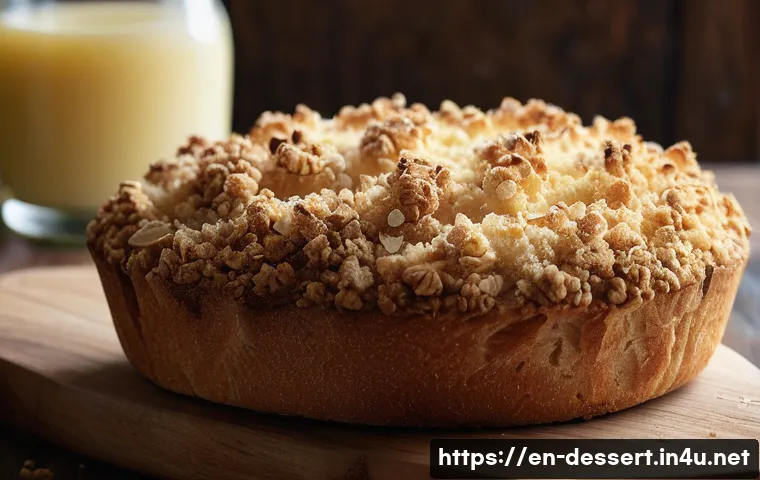
There’s something incredibly satisfying about biting into a soft, fluffy bread topped with a sweet, crumbly crust—this is exactly what makes Soboro bread so irresistible.
Whether you’re a seasoned baker or just starting out, mastering this delightful treat is easier than you might think. The combination of textures and flavors creates a perfect harmony that’s loved by many.
Plus, baking your own Soboro bread means you can customize it to your taste, adding your personal touch. If you’ve ever wanted to try making something unique yet comforting, this recipe is a great place to start.
Let’s dive in and explore how to create this delicious bread step by step!
Choosing the Perfect Ingredients for Your Soboro Bread
Flour Matters: Picking the Right Base
When it comes to making soft, fluffy bread, flour selection is key. I’ve found that using bread flour with a higher protein content really helps develop that chewy texture you want inside the Soboro bread.
All-purpose flour can work too if you’re in a pinch, but expect a slightly less structured crumb. For a more tender bite, some bakers like to blend in a little cake flour, which softens the overall texture.
Personally, I stick to bread flour because it holds the shape nicely and balances well with the crumbly topping.
Sweetness and Fat: Finding the Balance
The crumbly topping of Soboro bread is what makes it stand out, and its sweetness level is crucial. Granulated sugar provides the right sweetness without overpowering the bread, but I sometimes add a touch of brown sugar for depth and a hint of caramel flavor.
Butter is another essential ingredient that contributes both moisture and richness. I recommend unsalted butter so you can control the saltiness more precisely, but salted butter works fine if that’s what you have on hand.
For the dough itself, a small amount of milk powder or whole milk can add tenderness and enhance flavor.
Leavening Agents and Their Impact
Most Soboro bread recipes call for active dry yeast or instant yeast. From my experience, instant yeast is more convenient because it mixes directly into the dry ingredients without proofing.
However, if you prefer the classic approach, proofing active dry yeast in warm water with a pinch of sugar can give you a good gauge of yeast activity.
Don’t rush the fermentation—letting the dough rise slowly in a slightly cooler environment yields better flavor and texture. Adding a little baking powder to the crumb topping helps it puff up and crisp beautifully in the oven.
Mastering the Dough Preparation Process
Mixing and Kneading: The Foundation of Texture
Combining ingredients thoroughly is the first step to success. I usually start by mixing the dry ingredients, then gradually add wet components like milk, eggs, and melted butter.
Kneading by hand or with a stand mixer fitted with a dough hook makes a big difference in the crumb structure. I find kneading for about 8 to 10 minutes develops enough gluten to give the bread elasticity without becoming tough.
The dough should feel smooth and slightly tacky but not sticky. Over-kneading can lead to a dense loaf, so paying attention to the dough’s texture is vital.
First Rise: Patience Pays Off
Once kneaded, the dough needs to rest and rise. I like to cover the bowl with a damp towel or plastic wrap and place it in a warm, draft-free spot. Depending on room temperature, the first rise can take anywhere from 45 minutes to 1.5 hours.
The dough should roughly double in size. This is where the magic happens as yeast ferments, creating air bubbles that make the bread light and fluffy.
If you’re in a hurry, you can use a slightly warmer spot, but be careful not to overproof, which can make the dough collapse later.
Shaping the Dough for Optimal Results
After the first rise, gently deflate the dough to release excess gas. When shaping, I prefer dividing the dough into equal portions for uniform baking and easier topping application.
Rolling each piece into a smooth ball or oval sets the stage for an even crumb topping spread. Avoid pressing too hard to keep the airy texture intact.
Placing the shaped dough on a parchment-lined baking sheet or in a lightly greased pan ensures easy removal after baking. Letting the dough rest briefly before applying the topping helps it relax and rise more evenly.
Crafting the Signature Crumb Topping
Mixing the Topping: Texture Is Everything
The crumb topping is what gives Soboro bread its signature look and taste. It’s essentially a streusel made from butter, sugar, and flour, with a pinch of cinnamon for warmth.
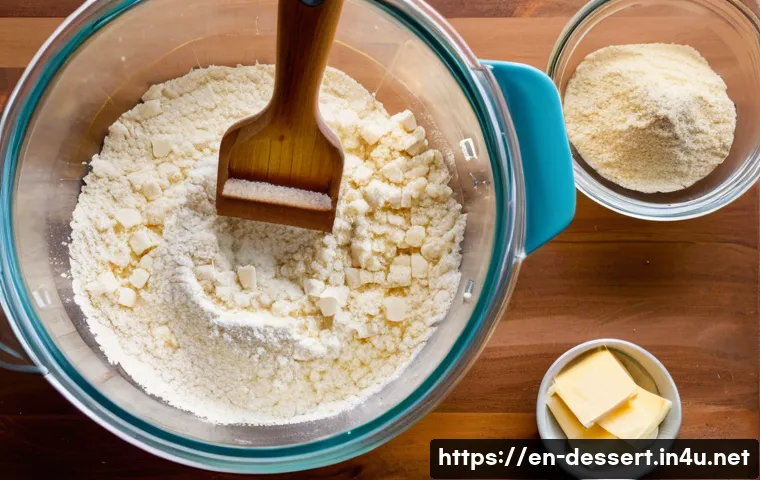
When mixing, I use cold butter cut into small pieces, then rub it into the dry ingredients until the mixture resembles coarse crumbs. This method creates that perfect crumbly texture that contrasts beautifully with the soft bread underneath.
If you want to experiment, adding finely chopped nuts or a dash of vanilla extract can elevate the flavor profile.
Applying the Topping: Technique Tips
Applying the topping evenly is crucial to avoid clumps or bare spots. I gently sprinkle the crumb mixture over the dough, making sure to cover the surface but not press it in.
Pressing too hard can weigh down the dough and affect the rise. Using a spoon or your fingers to distribute the crumbs works well. Don’t be shy about layering a generous amount—the topping shrinks a bit while baking, so a thicker layer results in that signature crunchy crust.
Just be mindful not to overload it, or it might fall off during baking.
Enhancing Flavor with Optional Add-Ins
For a personal twist, I sometimes mix in toasted sesame seeds or a sprinkle of coarse sugar on top of the crumb topping. These additions add texture and a subtle nutty crunch.
Another favorite is adding a hint of matcha powder to the crumb mixture for a unique earthy flavor and a pop of color. These small tweaks make the bread feel more special and tailored to your taste buds, giving you a chance to get creative while keeping the classic appeal intact.
Perfecting the Baking Process
Oven Settings and Baking Time
Preheating the oven to the right temperature is essential. From my experience, 350°F (175°C) works best for Soboro bread. This moderate heat allows the crumb topping to brown nicely without burning while ensuring the bread cooks through.
Baking time is usually around 20 to 25 minutes, but ovens vary, so keep an eye on the color and texture. A golden-brown topping with a soft, springy interior signals it’s ready.
For an even bake, rotate the baking sheet halfway through if your oven has hot spots.
Cooling and Storing Your Bread
Once baked, I always let the bread cool on a wire rack to prevent sogginess. Cooling allows steam to escape and the crumb to set properly. Trying to slice it too soon can cause the bread to squish or crumble.
When storing, I recommend keeping the bread in an airtight container or wrapping it tightly in plastic wrap to preserve freshness. Soboro bread tastes best the day it’s made, but it can last up to two days at room temperature.

For longer storage, freezing slices and toasting them later works like a charm.
Common Baking Troubles and How to Fix Them
Sometimes the topping falls off or the bread turns out denser than expected. If your crumb topping isn’t sticking well, try adding a bit more melted butter to the mixture or pressing the crumbs gently onto the dough before baking.
For dense bread, check your yeast’s freshness and make sure the dough has had enough time to rise. Overmixing the dough can also cause heaviness, so knead just until smooth.
Baking time and temperature adjustments might be necessary depending on your oven’s quirks.
Customizing Soboro Bread for Every Taste
Flavor Variations to Explore
Soboro bread is wonderfully versatile, and I love experimenting with flavors. Adding cocoa powder to the crumb topping creates a chocolatey twist that pairs beautifully with the sweet bread.
Another favorite is incorporating matcha or green tea powder for a subtle, earthy note. For those who enjoy a savory touch, mixing herbs like rosemary or thyme into the dough and topping with cheese instead of sugar offers a deliciously different experience.
These variations keep the baking process exciting and allow you to cater to different palates.
Filling Ideas to Amp Up the Bread
Filling your Soboro bread with cream cheese, red bean paste, or custard turns it into a delightful treat. I’ve tried spreading softened cream cheese mixed with a bit of honey inside the dough before the final rise, and it adds a rich creaminess that contrasts perfectly with the crumbly crust.
Sweetened red bean paste is a classic in Asian bakeries and gives a lovely sweetness and texture. If you want to keep it simple, a layer of fruit jam or Nutella works just as well for a quick and tasty surprise.
Presentation and Serving Suggestions
Serving Soboro bread fresh out of the oven with a cup of coffee or tea makes for a cozy snack or breakfast. I like slicing the bread into thick pieces to showcase the crumbly topping and soft interior.
For a fun twist, lightly toasting the slices enhances the texture and brings out the buttery aroma. You can also dust the top with powdered sugar or drizzle with a simple glaze for added sweetness.
If you’re hosting, arranging slices on a decorative platter with fresh fruit or nuts turns this humble bread into a centerpiece worth sharing.
Quick Reference Guide to Soboro Bread Ingredients
| Ingredient | Role | Typical Amount | Notes |
|---|---|---|---|
| Bread Flour | Base for dough | 2 ½ cups | Higher protein for chewy texture |
| Granulated Sugar | Sweetness in dough and topping | ½ cup | Adjust to taste |
| Unsalted Butter | Richness and moisture | ½ cup (topping + dough) | Cold for topping, melted for dough |
| Milk | Tenderness and flavor | ¾ cup | Whole milk preferred |
| Active Dry or Instant Yeast | Leavening | 2 ¼ tsp (1 packet) | Instant yeast skips proofing |
| Egg | Structure and richness | 1 large | Beaten, added to dough |
| Flour (for topping) | Structure for crumb topping | ½ cup | Combined with sugar and butter |
| Cinnamon (optional) | Flavor in topping | 1 tsp | Adds warmth and depth |
Tips for Achieving Consistent Results Every Time
Measuring Ingredients Accurately
I can’t stress enough how much precise measurements affect your bread’s outcome. Using a kitchen scale for flour and butter ensures consistency, especially since scooping flour directly with a cup can vary widely.
Even small deviations in sugar or yeast amounts can alter rise time and sweetness. If you don’t have a scale, spoon flour gently into your measuring cup and level it off with a knife to avoid packing it too densely.
This little habit saves a lot of guesswork and disappointment.
Monitoring Dough Temperature and Environment
Yeast is a living organism, so temperature control is crucial. I try to keep my dough between 75°F and 80°F during fermentation for optimal yeast activity.
If your kitchen is cold, placing the dough in a slightly warm oven (turned off, with just the oven light on) works wonders. Avoid drafts or overly warm spots which can kill yeast or cause uneven rising.
Using a thermometer to check milk or water temperature before mixing helps prevent these issues and gives you more predictable results.
Practice Makes Perfect: Learning from Each Bake
Every time I bake Soboro bread, I learn something new—whether it’s adjusting kneading time, tweaking sweetness, or perfecting the crumb topping texture.
Keeping notes on what worked and what didn’t helps me improve with each batch. Don’t be discouraged if your first try isn’t perfect; bread baking is part science, part art, and a little patience goes a long way.
Over time, you’ll develop an intuition for the dough’s feel and rise, making the process smoother and more enjoyable.
Wrapping Up
Mastering Soboro bread is both rewarding and fun, especially when you get to enjoy that perfect balance of soft bread and crumbly topping. With the right ingredients and techniques, you can create a bakery-quality treat right at home. Remember, patience and practice are your best friends in baking. Keep experimenting and savor every delicious bite along the way.
Handy Tips You Should Know
1. Always measure your ingredients carefully for consistent results—using a kitchen scale can make a huge difference.
2. Maintain a warm, draft-free environment for dough rising to ensure optimal yeast activity and a fluffy texture.
3. Don’t rush the fermentation process; slower rises often lead to better flavor and texture in the bread.
4. When applying the crumb topping, be generous but gentle to maintain the dough’s rise and achieve that signature crunch.
5. Cool your baked bread completely on a wire rack before slicing to avoid squishing and preserve its structure.
Key Takeaways for Perfect Soboro Bread
Choosing bread flour with higher protein helps develop the ideal chewy crumb, while balancing sweetness and fat in the topping brings out the classic flavor. Proper yeast handling and controlled fermentation are essential for a light, airy loaf. Kneading just enough to develop gluten without overdoing it ensures a tender crumb. Finally, carefully applying the crumb topping and baking at the right temperature guarantees that irresistible crunchy crust every time. With these fundamentals, you’ll consistently bake Soboro bread that’s both beautiful and delicious.
Frequently Asked Questions (FAQ) 📖
Q: What makes Soboro bread different from other sweet breads?
A: Soboro bread stands out because of its unique topping—a crumbly, sweet crust that contrasts beautifully with the soft, fluffy bread underneath. This combination creates a delightful texture and flavor harmony that isn’t common in many other breads.
The topping, often made with butter, sugar, and flour, gives it that signature crumbly crunch, making each bite satisfying and memorable.
Q: Is Soboro bread difficult to bake at home for beginners?
A: Not at all! While it might look fancy, baking Soboro bread is quite approachable even for beginners. The dough is forgiving, and the crumb topping is simple to prepare.
I found that following a straightforward recipe and paying attention to proofing times really helps. Plus, making it yourself means you can tweak the sweetness or texture to your liking, which is a fun part of the process.
Q: Can I customize the Soboro topping or the bread itself?
A: Absolutely! One of the best things about baking Soboro bread at home is the flexibility. You can add cinnamon, nuts, or even matcha powder to the crumb topping to give it a unique twist.
For the bread, you might experiment with different types of flour or add fillings like red bean paste or cream cheese. Personalizing it makes the baking experience more enjoyable and lets you create a version that’s truly your own.