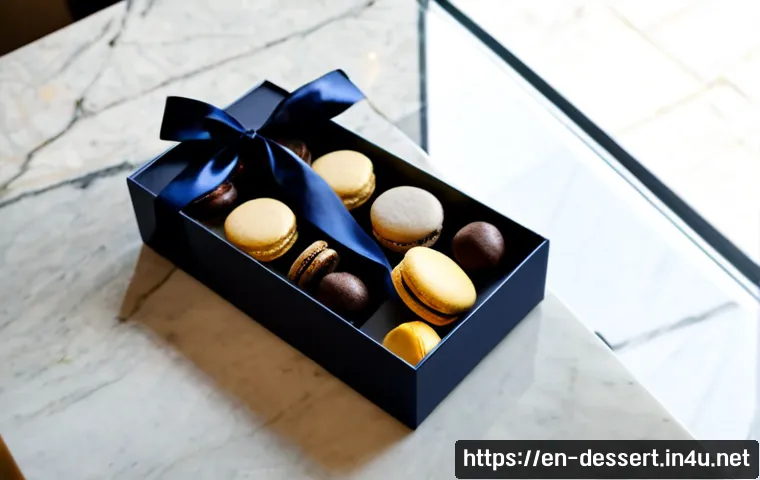
There’s something truly magical about chocolate desserts that captivates taste buds and lifts spirits. From rich, velvety ganaches to light and airy mousses, chocolate offers endless possibilities for indulgence.
Whether you’re celebrating a special occasion or simply craving a sweet escape, these treats never fail to satisfy. Over the years, I’ve discovered how different textures and flavors can transform a simple dessert into an unforgettable experience.
Curious to explore the world of chocolate delights? Let’s dive in and uncover the secrets behind these irresistible creations!
The Art of Balancing Flavors in Chocolate Creations
Understanding Bitterness and Sweetness Harmony
Finding the perfect balance between bitterness and sweetness is what elevates a chocolate dessert from good to unforgettable. Dark chocolate, for example, carries a strong bitter note that can be softened by the addition of creamy elements like whipped cream or milk chocolate.
When I experimented with different cocoa percentages, I noticed that desserts using 70% cocoa struck a beautiful chord—intense but not overpowering. Sweetness isn’t just about sugar; natural sweetness from fruits or honey can enhance the overall profile, giving a layered taste experience that surprises the palate with every bite.
The Role of Salt and Spice
Salt may seem counterintuitive in desserts, but a pinch can amplify chocolate’s complexity by highlighting its deeper flavors. I remember adding a small amount of sea salt to a chocolate tart and being amazed at how it brought out a smoky, richer character.
Similarly, spices like cinnamon, chili, or cardamom introduce warmth and unexpected depth. These subtle hints create a multi-dimensional flavor journey that keeps you intrigued and craving more.
It’s like giving your taste buds a little adventure every time you indulge.
Incorporating Fruity and Nutty Notes
Chocolate pairs beautifully with a variety of fruits and nuts, which provide contrasting textures and flavors that complement the richness. Fresh raspberries or orange zest add bright acidity that cuts through dense chocolate, making each bite feel lighter.
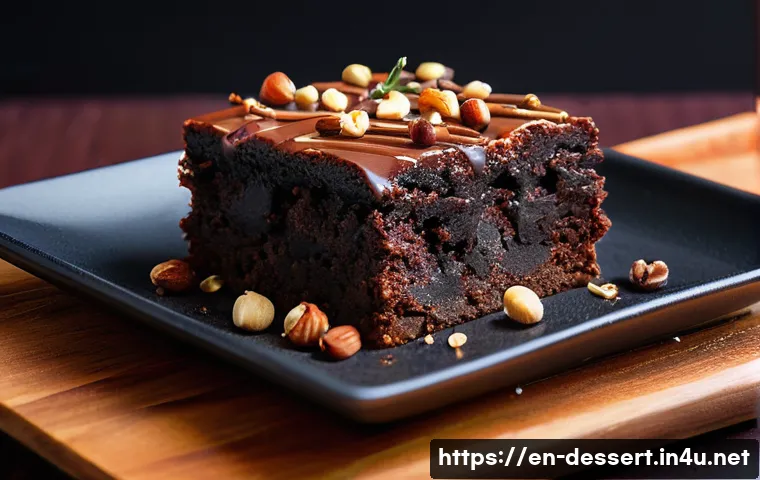
Nuts like hazelnuts, almonds, or pecans add crunch and a buttery undertone that contrasts with the smoothness. When I combined toasted hazelnuts with a silky chocolate mousse, the interplay between crunch and creaminess made the dessert feel like a gourmet experience rather than just a sweet treat.
Exploring Textural Wonders: From Silky to Crunchy
Mastering the Creaminess of Ganache
Ganache is one of my favorite textures to work with because it’s incredibly versatile. It can be poured over cakes as a glossy glaze, whipped into a fluffy filling, or cooled and shaped into truffles.
Achieving the right ratio of chocolate to cream is crucial; too much cream, and it becomes too soft, too little, and it’s overly dense. I’ve found that a 2:1 chocolate to cream ratio creates a luxurious, melt-in-your-mouth consistency that feels indulgent without being heavy.
Its smoothness offers a velvety mouthfeel that simply melts away any stress or worries.
Whipping Up Light and Airy Mousses
Lightness is key when crafting mousses because it provides contrast to the rich chocolate flavor. Incorporating whipped egg whites or heavy cream introduces air that transforms the dessert into a cloud-like delight.
I once tried a chocolate mousse recipe that called for both whipped egg whites and cream, and the result was unbelievably fluffy yet deeply chocolatey.
The sensation of biting into something so light but packed with intense flavor is truly rewarding—like a delicate chocolate whisper rather than a shout.
The Delight of Crunch and Crumble
Texture isn’t just about softness; a bit of crunch can add excitement and surprise. Incorporating elements like crushed cookies, toasted nuts, or crisped rice can elevate a dessert’s texture profile.
One memorable dessert I made featured a crunchy base of almond biscotti crumbs topped with silky chocolate mousse. The contrast between the crunchy bottom and creamy top made each spoonful interesting and satisfying.
It’s a reminder that texture plays as important a role as flavor in creating memorable desserts.
Techniques That Bring Out the Best in Chocolate
Tempering Chocolate for a Perfect Finish
Tempering is a skill that makes a huge difference in chocolate’s final appearance and texture. When chocolate is tempered correctly, it has a shiny finish and a satisfying snap when broken.
I learned this the hard way after many failed attempts, but once I mastered the technique, it elevated my homemade chocolate bars and decorations to professional-level quality.
Tempered chocolate also melts smoothly in the mouth, enhancing the eating experience. It’s a technique worth investing time in for anyone serious about chocolate desserts.
Using Sous Vide for Precise Chocolate Cooking
Sous vide is an unconventional method that I’ve recently started experimenting with for chocolate custards and ganaches. The precise temperature control allows for silky smooth textures without any risk of overcooking.
When I made a chocolate pot de crème using sous vide, the result was incredibly creamy and uniform, with no graininess at all. This method may require some equipment, but the payoff in texture and consistency is undeniable for those who want to push their chocolate dessert game further.
Incorporating Alcohol for Depth and Complexity
Adding a splash of alcohol like bourbon, rum, or coffee liqueur can deepen the flavor profile of chocolate desserts. I often add a small amount of dark rum to chocolate cakes or mousse, which enhances the richness and adds subtle warm notes.
It’s important not to overdo it, as too much alcohol can overpower the chocolate. When balanced right, the alcohol acts like a flavor enhancer, making every bite more interesting and complex—perfect for adult gatherings or special celebrations.
Pairing Chocolate with Complementary Ingredients
Choosing the Right Wine or Beverage
Pairing chocolate with the right beverage can transform the dessert experience entirely. Rich, dark chocolates go well with full-bodied red wines like Cabernet Sauvignon or Zinfandel, which have enough tannins to match the chocolate’s intensity.
For milk chocolates or lighter desserts, a sparkling wine or even a rich coffee can be delightful companions. I once hosted a tasting party where we paired different chocolates with wines, and it was fascinating how each combination brought out unique flavor notes.
Exploring pairings is a fun way to deepen appreciation for chocolate.
Using Fresh Herbs and Floral Accents
Fresh herbs such as mint, basil, or thyme can brighten chocolate desserts by adding fresh, aromatic notes. I love garnishing chocolate pots de crème with a sprig of mint or infusing chocolate ganache with a hint of lavender.
These floral and herbal accents introduce complexity and freshness that balance the richness. It’s like adding a breath of fresh air to the indulgent chocolate world, making desserts feel more sophisticated and nuanced.
The Magic of Citrus Zests
Citrus zest is a game changer in chocolate desserts. The oils from orange, lemon, or lime zest add a vibrant, zesty punch that cuts through the heaviness.
I frequently add orange zest to chocolate brownies or lemon zest to chocolate tarts, and the results are always refreshing. It’s a simple addition that lifts the entire dessert, making it feel lighter and more refreshing without losing any of the chocolate’s charm.
Common Mistakes and How to Avoid Them
Overheating Chocolate
One of the most common pitfalls when working with chocolate is overheating, which causes it to seize and become grainy. I’ve made this mistake countless times, especially when melting chocolate over direct heat or in the microwave.
The key is to melt chocolate slowly over a double boiler or at short intervals in the microwave, stirring frequently. Patience here pays off, resulting in smooth, glossy chocolate ready for any recipe.
Ignoring Ingredient Quality
Using low-quality chocolate or ingredients can drastically impact the final dessert. I once tried a budget chocolate bar for a mousse, and the flavor was flat and waxy, which no amount of additional ingredients could fix.
Investing in high-quality chocolate with a good cocoa percentage and clean ingredients makes a huge difference. It’s worth spending a bit more upfront for superior flavor and texture that truly shine.
Skipping Resting Times
Many chocolate desserts require resting or chilling times to set properly and develop flavors. Rushing this process can lead to disappointing textures or weak flavors.
For example, ganache needs time to firm up for truffles, and mousse benefits from chilling to stabilize the airy structure. I’ve learned to plan ahead and allow adequate resting times, which always results in desserts that hold their shape and taste more harmonious.
Comparing Popular Chocolate Dessert Styles
| Dessert Type | Main Texture | Flavor Intensity | Preparation Time | Best Occasion |
|---|---|---|---|---|
| Chocolate Ganache | Silky, smooth | Rich, intense | 30-45 minutes | Elegant dinners, truffles |
| Chocolate Mousse | Light, airy | Delicate to rich, depending on recipe | 1-2 hours (including chilling) | Parties, casual treats |
| Chocolate Tart | Crunchy base with creamy filling | Balanced, often bittersweet | 1.5-2 hours | Celebrations, formal events |
| Chocolate Brownie | Fudgy or cakey | Sweet, rich | 30-50 minutes | Everyday snacking, casual gatherings |
| Chocolate Soufflé | Light, fluffy, delicate | Intense, bittersweet | 45 minutes | Special dinners, romantic meals |
Creative Garnishes That Elevate Presentation and Flavor
Edible Gold and Metallic Accents
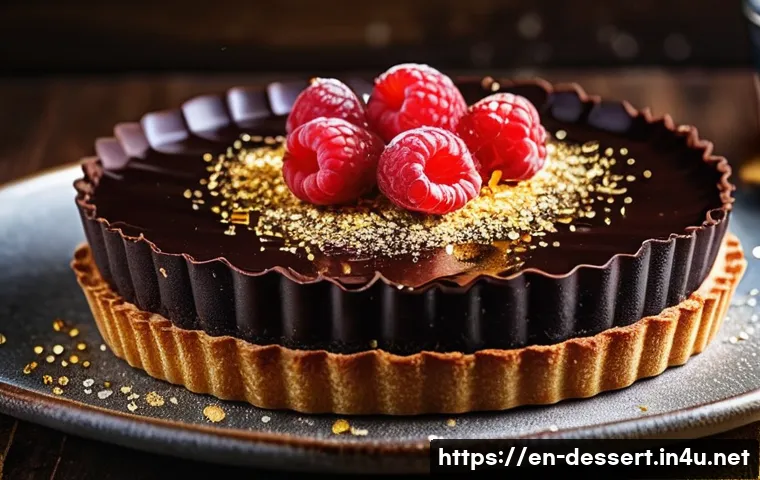
Adding edible gold leaf or silver dust to chocolate desserts instantly ups the wow factor. I remember decorating a chocolate tart with gold flakes for a birthday party, and it looked like something from a high-end patisserie.
These touches don’t change flavor but elevate the visual appeal, making the dessert feel luxurious and special. It’s a simple way to impress guests without complicated techniques.
Fresh Berries and Whipped Cream
Nothing beats the freshness of berries paired with chocolate. Strawberries, blueberries, and raspberries add vibrant color and a juicy counterpoint to rich chocolate.
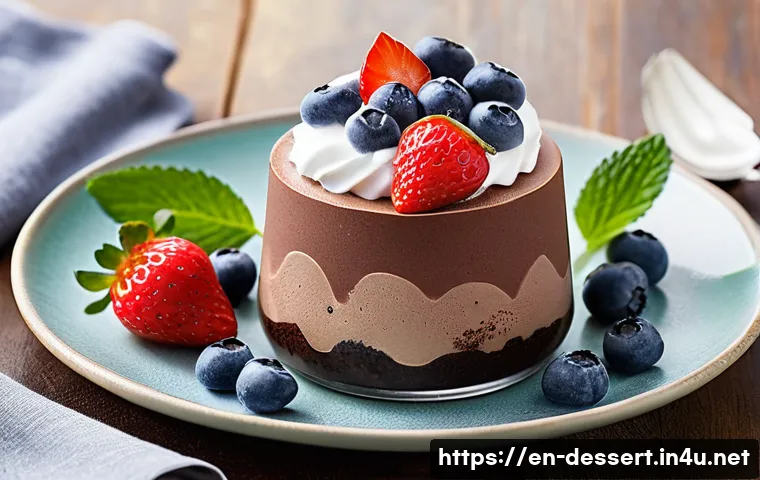
I often finish chocolate cakes or mousses with a dollop of lightly sweetened whipped cream and a handful of fresh berries for a classic, irresistible combo.
This pairing balances indulgence with freshness and is always a crowd-pleaser.
Creative Chocolate Shavings and Curls
Using a vegetable peeler or a grater to create chocolate curls or shavings adds a beautiful texture and decorative element. I like to sprinkle these over mousse or ice cream just before serving, giving a delicate touch that also enhances the chocolate experience.
These little details show care and craftsmanship, turning even simple desserts into something memorable.
In Closing
Mastering the art of chocolate creation is a rewarding journey that combines flavor, texture, and technique. Whether you prefer silky ganache or airy mousse, understanding how to balance ingredients elevates every bite. Experimenting with complementary flavors and textures adds excitement and depth to your desserts. With patience and practice, your chocolate masterpieces will delight both the eyes and the palate.
Useful Tips to Keep in Mind
1. Always taste as you go to find the perfect balance between bitterness, sweetness, and other flavor notes in your chocolate desserts.
2. Don’t underestimate the power of texture—combining creamy, crunchy, and airy elements makes your treats more memorable and enjoyable.
3. Invest in high-quality chocolate and fresh ingredients to ensure the best flavor and texture in every creation.
4. Allow proper resting or chilling time for desserts like ganache and mousse to set correctly and develop fuller flavors.
5. Have fun pairing your chocolate creations with wines, herbs, or citrus to discover new layers of taste and sophistication.
Key Takeaways
Balancing flavors and textures is essential to crafting exceptional chocolate desserts. Techniques like tempering and controlled cooking improve both appearance and mouthfeel, while thoughtful ingredient pairings enhance complexity. Avoid common mistakes such as overheating chocolate or rushing the resting process to maintain quality. Ultimately, a combination of patience, quality ingredients, and creativity will help you create chocolate treats that impress and satisfy every time.
Frequently Asked Questions (FAQ) 📖
Q: What makes chocolate desserts so appealing to so many people?
A: Chocolate desserts have a unique ability to blend rich flavors and comforting textures, which instantly create a sense of indulgence and happiness. From my experience, the combination of sweetness with a slight bitterness of cocoa stimulates the brain’s pleasure centers, making these desserts incredibly satisfying.
Plus, the variety—from creamy ganaches to fluffy mousses—means there’s a chocolate treat for every mood and occasion, which keeps people coming back for more.
Q: How can I make my chocolate dessert stand out with texture and flavor?
A: Adding contrasting textures and complementary flavors can elevate your chocolate dessert dramatically. For example, pairing a silky ganache with crunchy nuts or a light mousse with fresh berries creates a multi-sensory experience.
When I experimented at home, incorporating sea salt or a hint of chili powder brought out unexpected depth in the chocolate. Using high-quality chocolate also makes a huge difference—you’ll notice the richer, more complex flavor that turns a simple dessert into something memorable.
Q: Are chocolate desserts suitable for special occasions or everyday treats?
A: Absolutely! Chocolate desserts are incredibly versatile. I’ve found that a decadent chocolate cake or tart can make any celebration feel extra special, while a quick chocolate mousse or brownie can satisfy daily cravings without much fuss.
The key is balancing effort and occasion—sometimes a simple chocolate drizzle over fresh fruit is enough for an everyday treat, but for milestones, investing a bit more time into layered desserts or chocolate soufflés creates that wow factor everyone loves.