With the rising demand for versatile kitchen hacks and healthier alternatives, finding a good cream powder substitute has become more relevant than ever.
Whether you’re out of store-bought cream powder or looking to avoid additives, homemade options can save the day. I’ve tried several simple recipes myself, and some of these substitutes not only match the texture but also add unique flavors to your dishes.
Stick around as I share easy-to-make cream powder alternatives that you can whip up right now, turning your cooking challenges into delicious triumphs.
Trust me, once you discover these, your pantry will never feel empty again!
Exploring Nut-Based Cream Alternatives for a Rich Texture
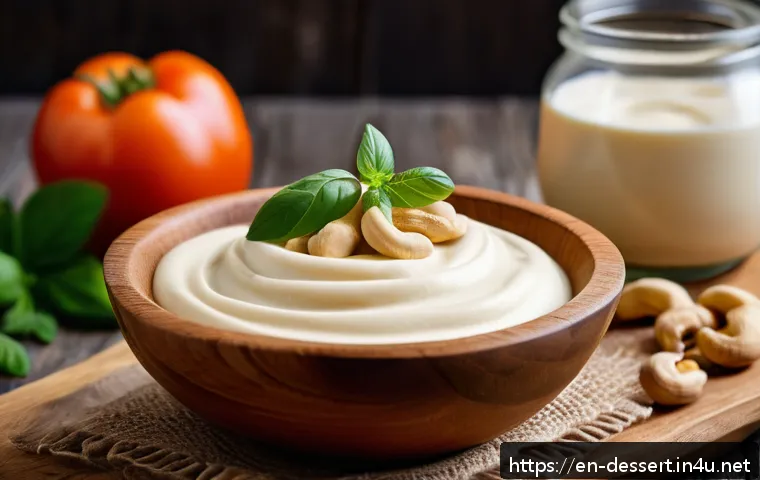
How Cashew Cream Mimics Store-Bought Powder
Cashew cream has been my go-to when I wanted that smooth, velvety texture without reaching for the usual cream powder. Soaking raw cashews overnight softens them enough to blend into a creamy consistency that’s surprisingly close to commercial cream powders.
What I love is how it adds a subtle nuttiness that elevates both sweet and savory dishes. For instance, when I stirred cashew cream into my homemade pasta sauce, it gave a luxurious mouthfeel without any heaviness.
Plus, it’s naturally dairy-free and packed with healthy fats, making it a guilt-free indulgence.
Almonds as a Cream Base with a Flavor Twist
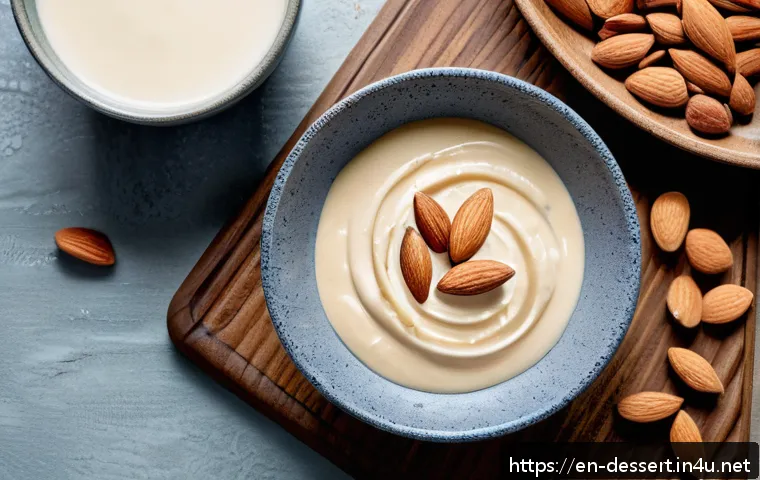
Almonds work similarly but bring a slightly different flavor profile. When ground finely and mixed with a little water or plant milk, almonds create a creamy base that’s perfect for baking or drizzling over desserts.
I usually toast the almonds lightly before blending to bring out a warm, roasted aroma that adds depth to my recipes. One tip I found useful is to strain the mixture to remove any gritty bits, ensuring a silky smooth finish.
This method is fantastic if you’re aiming for a cream substitute that also offers a nutritional boost from vitamin E and fiber.
Peanut Butter: Unexpected Cream Substitute with a Punch
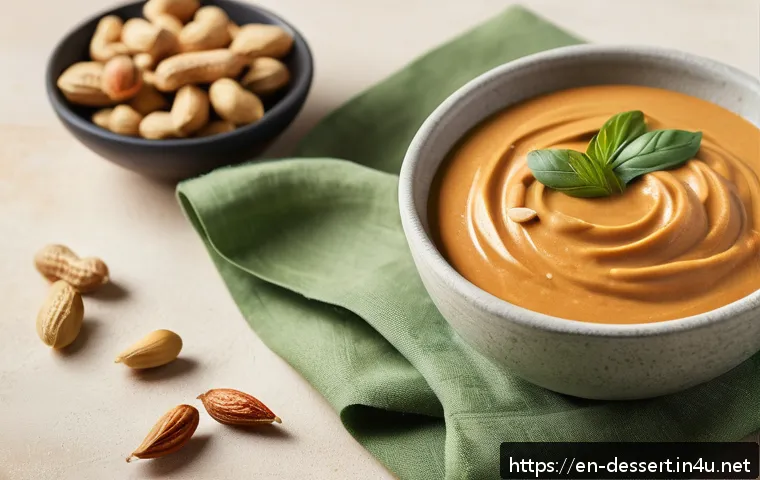
Peanut butter might sound unconventional, but it’s an excellent option when you want a thicker, cream-like texture with a rich flavor. I’ve tried it in sauces and even creamy dressings, and the results are surprisingly delightful.
The key is to use natural peanut butter without added sugars or oils to keep it healthy. Diluting it with water or a mild plant milk helps achieve the right consistency without overpowering the dish.
Just be mindful of its distinct taste—it works better in recipes where a hint of peanut flavor complements the other ingredients, like in Asian-inspired sauces or spicy dips.
DIY Plant-Based Cream Powders from Pantry Staples
Oat Flour: A Simple Thickening Agent
Oat flour stands out as a readily available pantry item that can substitute cream powder in a pinch. It has a neutral flavor and absorbs liquids well, which helps create a creamy texture when whisked into soups or sauces.
When I made a creamy mushroom soup, oat flour gave it body without any chalkiness, which sometimes happens with other flours. Plus, it’s gluten-free if you pick certified oats, making it a versatile choice for many dietary needs.
Just keep in mind that oat flour thickens gradually as it cooks, so patience is key for the best results.
Rice Flour for a Silky, Lightweight Cream
Rice flour is another fantastic alternative that mimics cream powder’s smoothness without heaviness. Its fine texture dissolves easily in hot liquids, making it ideal for custards or puddings.
When I experimented with rice flour in my homemade vegan ice cream, it helped achieve that creamy texture without graininess. A little trick I learned is to mix rice flour with a bit of cold water before adding it to hot dishes to prevent lumps.
This method is especially helpful in Asian-style soups or sauces where a delicate creaminess is desired without overpowering other flavors.
Cornstarch: The Ultimate Thickener for Creaminess
Cornstarch is a classic thickening agent that works wonders when you want a smooth, creamy finish. I often use it to replace cream powder in gravies or pie fillings.
It’s incredibly effective at thickening quickly and gives a glossy, rich texture that resembles dairy cream. However, it’s essential to mix cornstarch with cold water before adding it to hot mixtures to avoid clumps.
One time, I added cornstarch directly into hot soup and ended up with a lumpy mess—lesson learned! When done right, cornstarch can be your secret weapon for creamy dishes without any dairy or additives.
Incorporating Dairy-Free Milk Powders for Creamy Results
Coconut Milk Powder for Tropical Flair
Coconut milk powder is a fantastic substitute if you’re craving creaminess with a tropical twist. Its natural fat content lends a rich texture that’s perfect for curries, desserts, or coffee creamer.
I remember using coconut milk powder during a camping trip when fresh cream was unavailable, and it saved the day with its easy mix-and-go convenience.
The slight coconut flavor pairs beautifully with spices like cinnamon and cardamom, making it a flavorful addition rather than just a bland filler.
Soy Milk Powder as a Neutral Cream Base
Soy milk powder offers a more neutral taste compared to coconut and can easily blend into both sweet and savory recipes. Its protein content helps with emulsification, which means it can thicken and stabilize sauces quite effectively.
I’ve found it particularly useful when making vegan cheese sauces or creamy salad dressings. The only caveat is that some people might be sensitive to soy, so it’s good to keep that in mind if cooking for guests.
Otherwise, it’s an affordable, shelf-stable pantry staple that’s worth experimenting with.
Rice Milk Powder for Light Creaminess
Rice milk powder is a lighter option with a mild, slightly sweet flavor. It doesn’t have as much fat as coconut or soy, so it produces a more delicate creaminess.
I often use it in smoothies or light soups where I want a touch of cream without overwhelming richness. One thing I noticed is that it dissolves best in warm liquids and can sometimes leave a subtle graininess if not whisked well.
Still, it’s a great option if you’re aiming for a low-fat, dairy-free cream substitute.
Using Vegetable and Legume Powders to Enhance Creaminess
Potato Powder for a Silky Finish
Potato powder is a surprising hero in the cream substitute arena. It thickens quickly and creates a smooth, creamy texture reminiscent of mashed potatoes but without the heaviness.
I’ve used it in creamy soups and sauces where I wanted a velvety mouthfeel without adding dairy. The best part is that potato powder is flavor-neutral, so it won’t interfere with the taste of your dish.
Just mix it with cold water before incorporating into hot recipes to avoid lumps and ensure a silky finish.
Lentil Powder Adds Protein and Creaminess
Lentil powder might not be the first thing that comes to mind, but it’s a nutrient-rich way to add creaminess and substance. Ground red lentils blend into a smooth paste when cooked, which can mimic the thickness of cream powder in savory dishes.
I tried lentil powder in a vegan stroganoff, and it added both creaminess and a nice protein boost. The key is to balance its earthy flavor with herbs and spices so it complements rather than dominates your recipe.
Chickpea Flour for a Nutty Cream Base
Chickpea flour (besan) is a versatile ingredient that thickens and enriches dishes with a slightly nutty flavor. It’s great for making creamy sauces and batters.
I experimented with chickpea flour in a vegan béchamel sauce, and the result was impressively creamy and smooth. Plus, chickpea flour is high in fiber and protein, making it a nutritious alternative.
Just be sure to cook it thoroughly to avoid any raw flour taste and to achieve the best creamy consistency.
Quick Liquid Cream Replacements for Instant Use
Blending Silken Tofu for Creamy Texture
Silken tofu is an underrated hero when it comes to quick, creamy substitutes. Blended until smooth, it creates a thick, creamy base that works wonders in soups, smoothies, and desserts.
I once whipped it into a chocolate mousse, and the texture was so rich and creamy you wouldn’t guess it was tofu-based. It’s also high in protein and low in fat, which makes it a nutritious choice.
The only downside is the mild beany flavor, but that usually disappears with strong spices or sweeteners.
Cashew Milk for a Light Cream Feel
If you’re looking for a liquid cream substitute, homemade cashew milk is an excellent option. It’s thinner than cashew cream but still creamy enough to enrich coffee, cereal, or light sauces.
Making it is as simple as blending soaked cashews with water and straining. I find it fresh and subtly sweet, which can complement both breakfast and dinner dishes.
Plus, it’s free of preservatives and additives, making it a wholesome choice for everyday use.
Avocado Puree as a Creamy Boost
Avocado puree might seem unconventional, but it offers a luscious creaminess with the bonus of healthy fats. It’s perfect for spreading on toast, mixing into dressings, or thickening smoothies.
When I added avocado puree to a vegan pasta sauce, it created a silky texture with a mild flavor that didn’t overpower the dish. The creamy texture also adds moisture and richness, especially useful in dairy-free baking or dips.
Comparing Popular Cream Powder Alternatives Side by Side
| Substitute | Texture Similarity | Flavor Profile | Best Use | Dietary Notes |
|---|---|---|---|---|
| Cashew Cream | Very close, smooth and rich | Nutty, mild | Sauces, soups, desserts | Dairy-free, high fat |
| Oat Flour | Moderate, thickening agent | Neutral | Soups, gravies | Gluten-free (certified) |
| Coconut Milk Powder | Rich and creamy | Tropical, sweet | Curries, desserts | Dairy-free, high fat |
| Silken Tofu | Thick and smooth | Mild, slightly beany | Mousses, soups | High protein, soy-based |
| Chickpea Flour | Thick and creamy when cooked | Nutty | Sauces, batters | High protein, gluten-free |
| Peanut Butter | Thick, creamy | Strong nutty | Sauces, dips | High fat, allergen |
| Rice Flour | Silky and light | Neutral, slightly sweet | Custards, puddings | Gluten-free |
In Conclusion
Exploring nut-based and plant-powered cream alternatives opens up a world of creamy textures without relying on traditional dairy cream powders. Whether you prefer the richness of cashew cream or the lightness of oat flour, these options bring versatility and nutrition to your kitchen. Experimenting with these substitutes has personally enhanced my cooking, offering both flavor depth and health benefits. Embracing these alternatives can elevate everyday dishes while catering to various dietary needs.
Helpful Tips to Remember
1. Always soak nuts like cashews overnight to achieve the smoothest cream texture and avoid graininess.
2. Strain blended nut mixtures when possible to ensure a silky finish, especially with almonds or cashews.
3. When using flours like oat or rice flour, mix them with cold water first to prevent lumps in hot liquids.
4. Choose natural, unsweetened nut butters to keep flavors balanced and avoid unwanted sugars or oils.
5. Be mindful of the flavor profiles of each substitute to pair them appropriately with your dishes for the best taste experience.
Key Takeaways
Nut-based creams such as cashew and almond provide rich, dairy-free alternatives with added nutritional benefits. Flour-based options like oat and rice flour serve as effective thickeners with neutral flavors suitable for various recipes. Powdered plant milks offer convenience and creaminess with distinct flavor notes, while vegetable and legume powders add both texture and protein. For instant use, liquid substitutes like silken tofu and avocado puree deliver quick creamy textures. Understanding each alternative’s properties will help you choose the best one for your culinary needs, enhancing both taste and healthfulness without compromising texture.
Frequently Asked Questions (FAQ) 📖
Q: What are the best homemade substitutes for cream powder that still provide a creamy texture?
A: From my experience, some of the best homemade substitutes include blending milk powder with a bit of butter or coconut oil to mimic the richness of cream powder.
Another easy option is mixing full-fat powdered milk with a small amount of cornstarch to thicken and replicate that creamy mouthfeel. These options not only provide a similar texture but also keep your dish free from preservatives and additives you often find in store-bought cream powders.
Q: Can I use these cream powder substitutes in both sweet and savory recipes?
A: Absolutely! I’ve used these substitutes in everything from creamy soups and pasta sauces to desserts like custards and puddings. For sweet dishes, adding a pinch of sugar or vanilla extract to your homemade mix can enhance the flavor, while for savory recipes, a pinch of salt or herbs works wonders.
The versatility is one of the reasons I keep these homemade mixes handy—they adapt well without compromising taste or texture.
Q: How long can I store homemade cream powder substitutes, and what’s the best way to keep them fresh?
A: When stored in an airtight container in a cool, dry place, homemade cream powder substitutes generally last for about 2 to 3 weeks. I recommend using glass jars with tight lids to prevent moisture from sneaking in, which can spoil the mix quickly.
If you want to extend shelf life, keeping the container in the fridge works well too, especially if your substitute contains butter or coconut oil. Just make sure to bring it back to room temperature before using for the best consistency.